

India’s commerce ministry has launched an anti-subsidy investigation into imports of multi-layer paperboard from China and Indonesia, signalling a closer scrutiny of trade practices in the sector. The move follows concerns from domestic manufacturers over alleged subsidised imports impacting local industry competitiveness.
South Africa has imposed steep import duties on structural steel imports from China and Thailand after finding evidence of dumping, the country's trade watchdog has said.
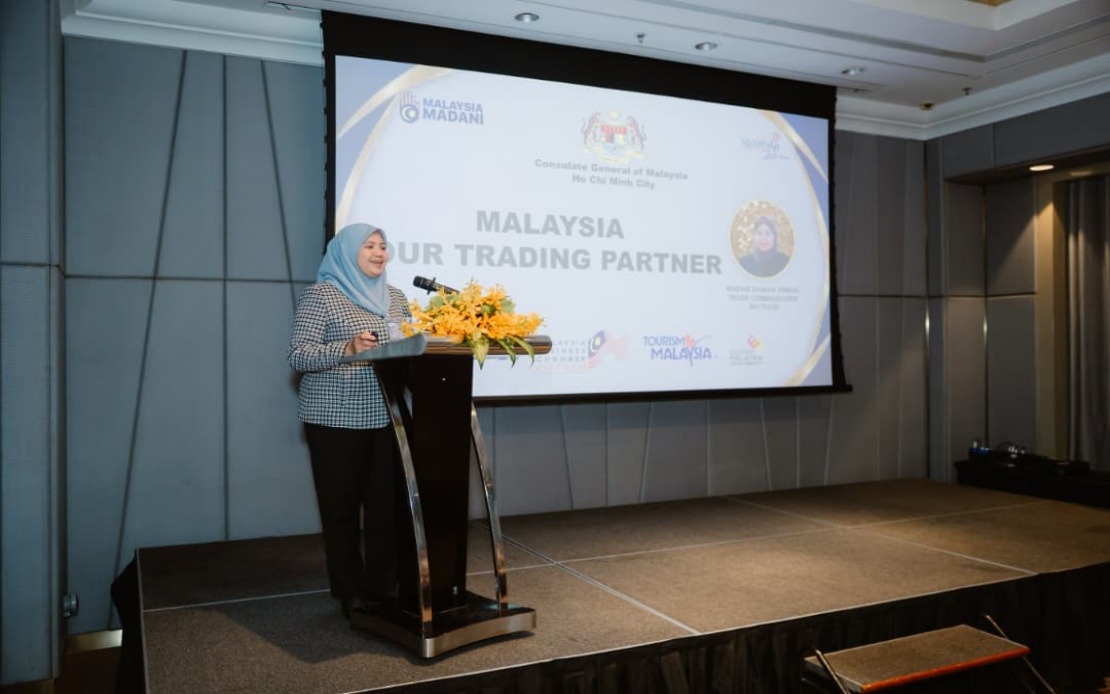
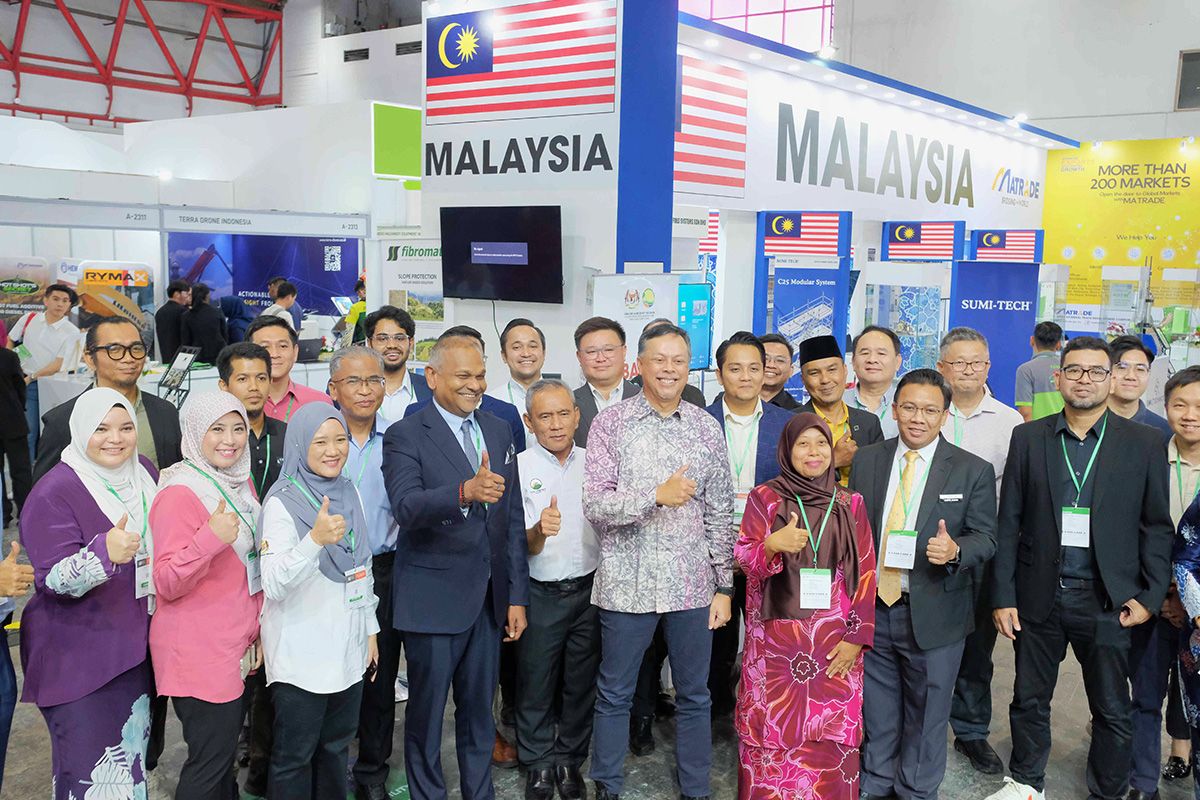
Malaysia’s exports to Nigeria grew by 20.7 per cent in 2025, reaching $664 million, underscoring strengthening bilateral trade ties and deepening economic engagement between the two countries amid an evolving global trade landscape.
Data from Statistics Indonesia (BPS) and the Indonesia Eximbank Institute show that Indonesia's exports to the Middle East account for only about 4.2 percent of the total national exports, with main commodities including palm oil (HS 1511), jewelry (HS 7113), as well as cars and other motor vehicles (HS 8703).
Indonesia is accelerating its downstream industrialisation drive to maximise the value of its natural resources, bolster domestic manufacturing and create high-quality jobs, President Prabowo Subianto said.
While January and February exports were strong (+15.2%), escalating geopolitical tensions in the Middle East – including supply disruptions from the closure of the Strait of Hormuz and recent attacks on oil and gas facilities across the Gulf states pose material near term risks to global trade flows.
Malaysia’s export momentum saw a visible moderation in February, growing by 10.8% year-on-year (YoY). This follows a blistering 19.6% surge in January and fell short of market expectations, which had anticipated growth closer to 12.2%.
Thailand has doubled its spending on importing pepper - often referred to as “black gold” - from Viet Nam, making the country its largest supplier of the commodity.


<p>Time: November 2025<br /> By: WTO and International Trade Group, Legal Department – VCCI</p>
