

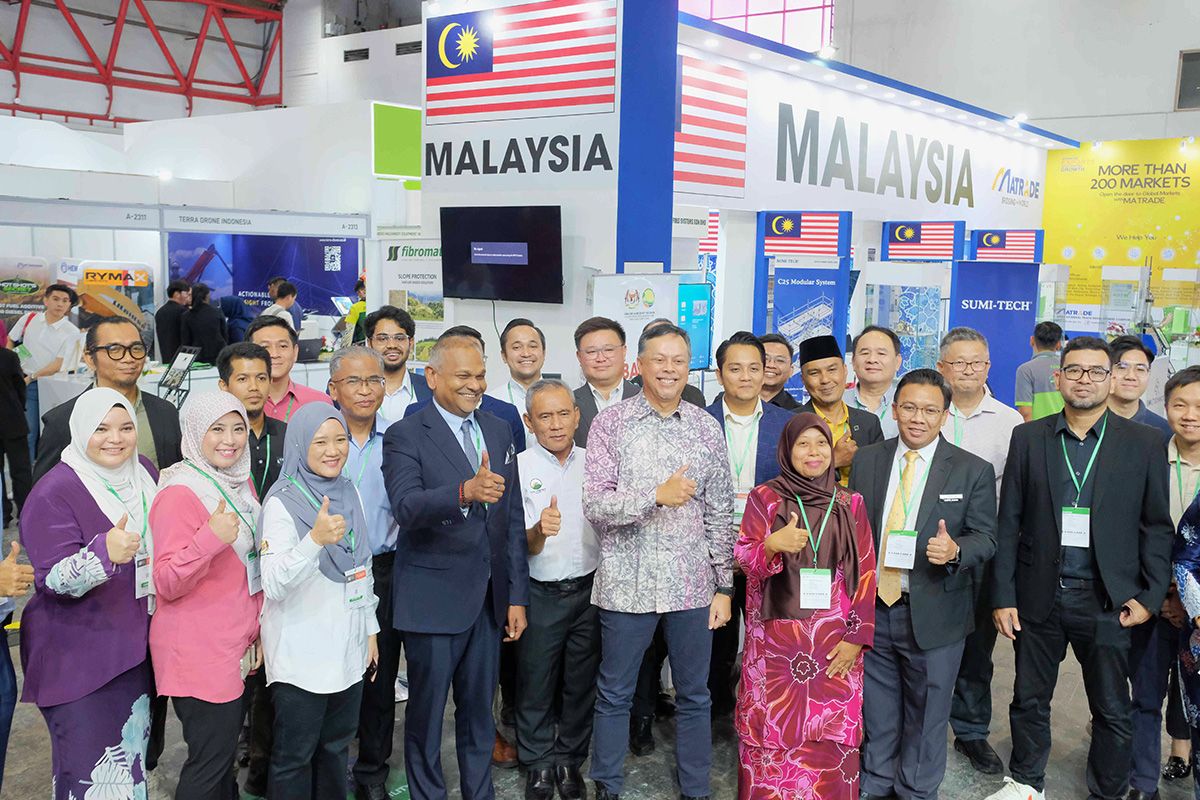
ASEAN remains one of Malaysia's most strategic export markets and an important gateway for Malaysian companies expanding across the region and beyond." - Dato' Indera Abu Bakar Yusof, Chief Executive Officer of the Malaysia Extenal Trade Development Corporation (MATRADE)
ASEAN has long served as a traditional export market and strategic springboard for Malaysian businesses seeking expansion beyond the domestic market. Its geographical proximity and longstanding economic ties have created a promising avenue for trade and business collaboration to prosper.
Over the years, trade with neighbouring ASEAN countries evolved from largely border-based commerce into a robust regional trading network, as logistics and infrastructure progressively improved.
To facilitate a free flow of goods within an integrated single market in Southeast Asia, the ASEAN Trade in Goods Agreement (ATIGA) was established to progressively reduce and eliminate tariffs on goods originating from ASEAN member states. As of 2025, tariffs on around 98.86% of products are fully eliminated under ATIGA.
In Malaysia’s case, integration into ASEAN has historically reinforced Malaysia’s position as a manufacturing and export hub, with more than half of the country’s exports linked to the global value chains (GVCs).
As one of the world’s fastest-growing economic regions, ASEAN continues to provide significant opportunities for Malaysian businesses to expand their footprint, particularly in high-growth sectors such as manufacturing, digital economy, services and halal industries.
ASEAN has become an ideal testing ground for small and medium enterprises (SMEs) and first-time exporters to gain valuable export experience, validate their products and business models, and build confidence before venturing into more distant and competitive global markets.
Malaysia's Growing Trade Momentum with ASEAN
As Malaysia’s national trade promotion agency, the Malaysia External Trade Development Corporation (MATRADE) plays a pivotal role in developing and promoting Malaysian exporters’ capability to become highly competitive in international markets.
Malaysia’s notable export growth was underpinned by record-high shipments to key trading partners like ASEAN. For the last decade, ASEAN has consistently remained Malaysia’s largest regional trading partner and export market, accounting for more than one-quarter of total trade annually.
Malaysia’s double-digit share of exports to ASEAN markets such as Singapore, Thailand, Viet Nam and Indonesia underscore a strong regional integration and increasingly interconnected supply chain.
In 2025, exports to ASEAN reached the highest value ever recorded to RM458.18 billion, driven primarily by increased shipments of electrical and electronics (E&E) products, optical and scientific equipment as well as machinery, equipment and parts.
During the period of January-August 2026, Malaysia’s trade with ASEAN expanded by 25.8% to RM641.40 billion compared with the corresponding period in 2025. Exports to the region grew by 22.7% to RM368.07 billion, driven by higher exports of E&E products, petroleum products, machinery, equipment and parts, optical and scientific equipment, as well as manufactures of metal. Meanwhile, imports from ASEAN increased by 30.2% to RM273.33 billion.
Advancing Regional Integration and Economic Resilience
Against this backdrop, strengthening intra-ASEAN trade has become increasingly important to the region's economic resilience. Greater market access and reduced trade barriers would create new opportunities for Malaysian businesses, particularly the micro, small and medium enterprises (MSMEs) to expand their regional footprint.
In 2024, intra-ASEAN trade reached USD823.1 billion, accounting for 21.4% of the region’s total trade. While tariffs within ASEAN are nearly eliminated, non-tariff barriers in the form of export restrictions and regulatory hurdles continue as major bottlenecks for many decades.
Aligning customs procedures, sanitary standards, and technical regulations across all member states will streamline the cross-border movement of goods. Expanding cross-border digital infrastructure and implementing frameworks like the ASEAN Digital Economy Framework Agreement (DEFA) will accelerate service and e-commerce transactions.
As ASEAN embarks on a new phase of regional integration under the ASEAN Community Vision 2045, the bloc is evolving into a more integrated, digitally connected and resilient economic community.
ASEAN is projected to become the world’s fourth-largest economy and Timor-Leste’s accession to ASEAN is expected to further strengthen regional trade integration and expand opportunities across Southeast Asia.
Amid heightened geopolitical uncertainties, including the ongoing conflict in West Asia that has disrupted logistics and supply chain challenges, ASEAN’s role as a stable and integrated regional market has become increasingly significant.
Through frameworks such as the upgraded ASEAN Trade in Goods Agreement (ATIGA), Regional Comprehensive Economic Partnership (RCEP), and subregional initiatives including BIMP-EAGA and IMT-GT, businesses can tap into greater market access and participate more actively in regional value chains.
MATRADE Strengthening Malaysia's ASEAN Presence
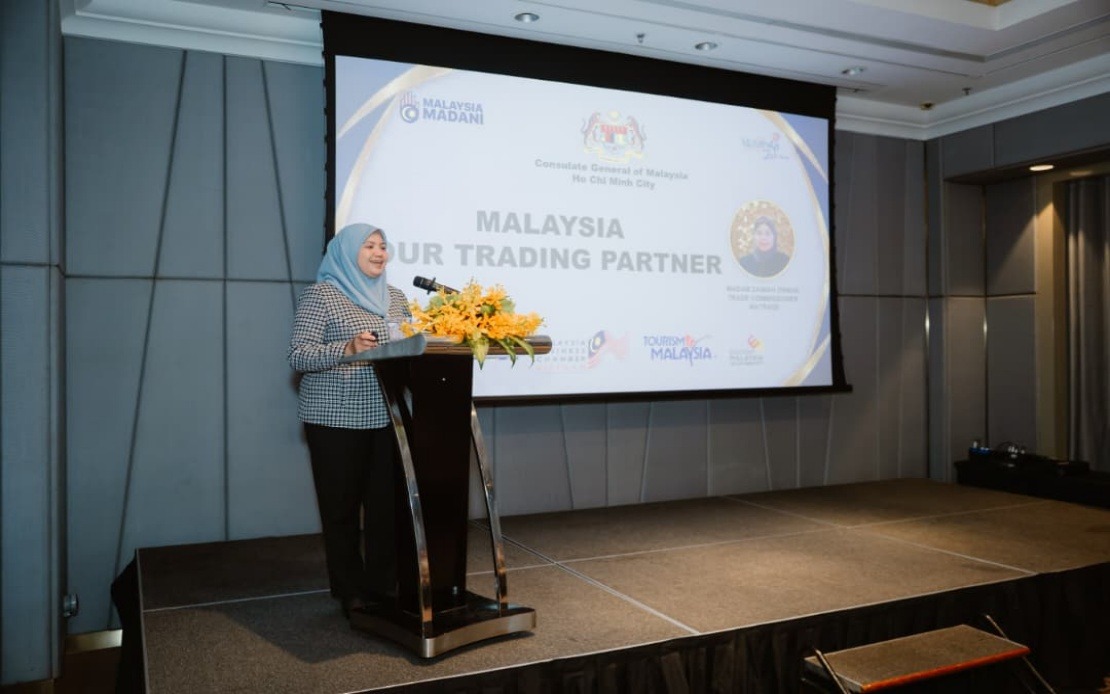
MATRADE plays a pivotal role in facilitating Malaysian businesses to capitalise on ASEAN’s growth opportunities and strengthen their presence within the regional market. Through its extensive network of overseas trade offices across ASEAN, MATRADE provides market intelligence, facilitates business matching initiatives, and delivers targeted export promotion programmes, including the International Sourcing Programme (INSP), Export Acceleration Missions (EAMs), and participation in major trade fairs.
“ASEAN remains one of Malaysia's most strategic export markets and an important gateway for Malaysian companies expanding across the region and beyond. MATRADE is committed to ensuring Malaysian exporters are well-positioned to seize emerging opportunities, strengthen regional partnerships and enhance their competitiveness across Southeast Asia by helping them leverage regional frameworks such as the ASEAN Trade in Goods Agreement (ATIGA) and Regional Comprehensive Economic Partnership (RCEP).
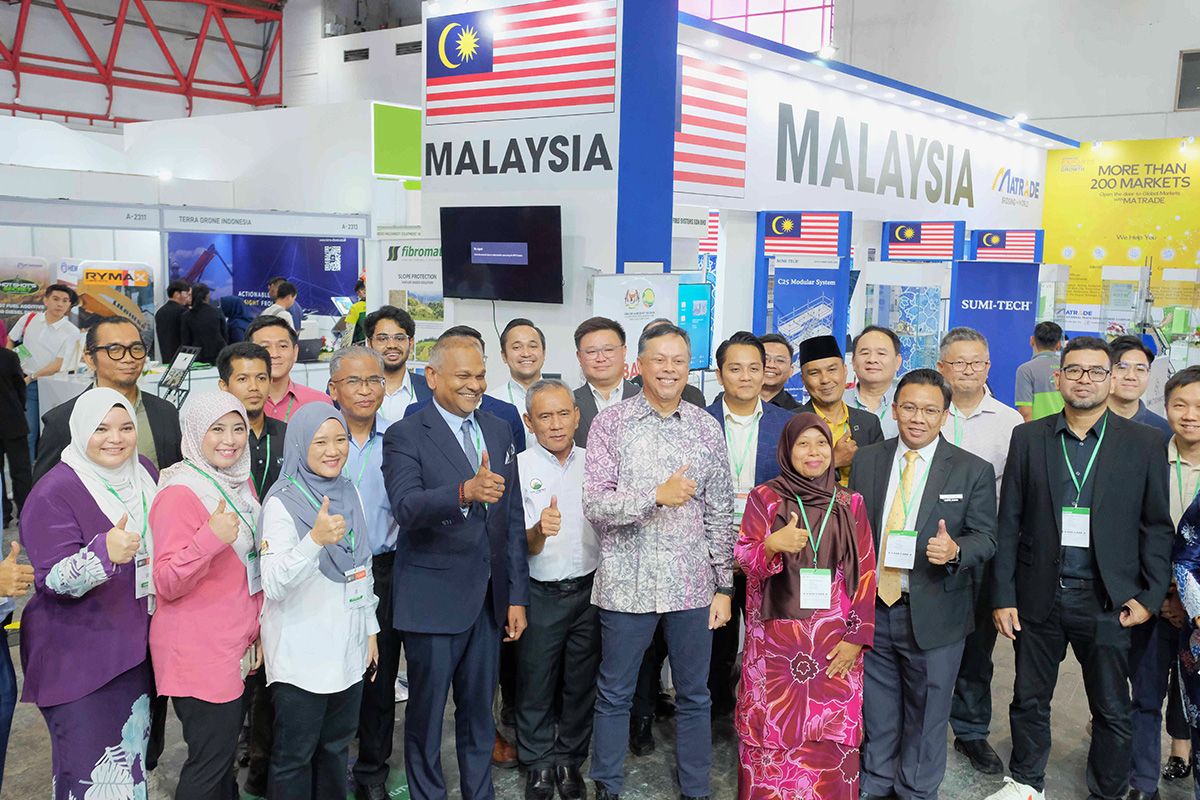
To translate this commitment into tangible business outcomes, MATRADE continues to organise targeted export promotion initiatives across the region. These include the Export Acceleration Mission to Cambodia, participation in National Pavilion at Viet Nam Expo 2026, International Healthcare Week Bangkok 2026, and ASEAN Online Sale Day 2026, which enables Malaysian businesses to reach consumers across the region through cross-border e-commerce. Through these strategic platforms, Malaysian companies can engage directly with quality buyers, establish long-term business partnerships and explore new growth opportunities, reinforcing Malaysia's position as a competitive and trusted trading nation within ASEAN,” said MATRADE Chief Executive Officer Dato’ Indera Abu Bakar Yusof.
Positioning Malaysian Businesses for Future Growth
Flagship events such as the Malaysia International Halal Showcase (MIHAS) can further connect Malaysian exporters with regional and international buyers, reinforcing Malaysia’s position as a competitive trade and halal hub.
As ASEAN continues to evolve as a dynamic and integrated economic region, Malaysian companies are encouraged to leverage MATRADE’s programmes and expertise to explore new opportunities and accelerate their export journey across ASEAN.
Source: The Edge
Share:


<p>Time: November 2025<br /> By: WTO and International Trade Group, Legal Department – VCCI</p>
