

A MALAYSIAN trade official urged the Philippines to ratify the Regional Comprehensive Economic Partnership (RCEP) trade agreement, citing the benefits from improved market access.
Indonesia’s Minister of Cooperatives and Small and Medium Enterprises (SMEs) Teten Masduki has asked food retailers to join online business given that the country is expected to become the largest digital economy in Southeast Asia, reaching 4,500 trillion Rp (302 billion USD) in value by 2030.
Gu Yahong, deputy general manager of Jiangsu General Science Technology Co., Ltd., has been remotely keeping an eye on the construction of a company plant in the Chinese-invested Sihanoukville Special Economic Zone (SSEZ) in Cambodia, almost 3,000 km away from east China's Jiangsu Province.
In a post-Brexit strategic move that distances it further from European Union countries, the UK will replace the Generalised Scheme of Preferences (GSP) for the developing countries with a new trading instrument early next year.
Japanese farming companies are tapping Thai markets with locally grown agricultural products that are higher in quality than their Thai rivals but cheaper than those imported from Japan.
Global steel prices, which soared as a result of the Russia-Ukraine war, have declined following lower demand for steel in China and an increase in steel imports into Asia from Russia, says the Federation of Thai Industries (FTI).
The Comprehensive and Progressive Agreement for Trans-Pacific Partnership (CPTPP) will enable wider sourcing channels for raw materials at competitive prices for the country’s petrochemical players, according to the Malaysian Petrochemicals Association (MPA).
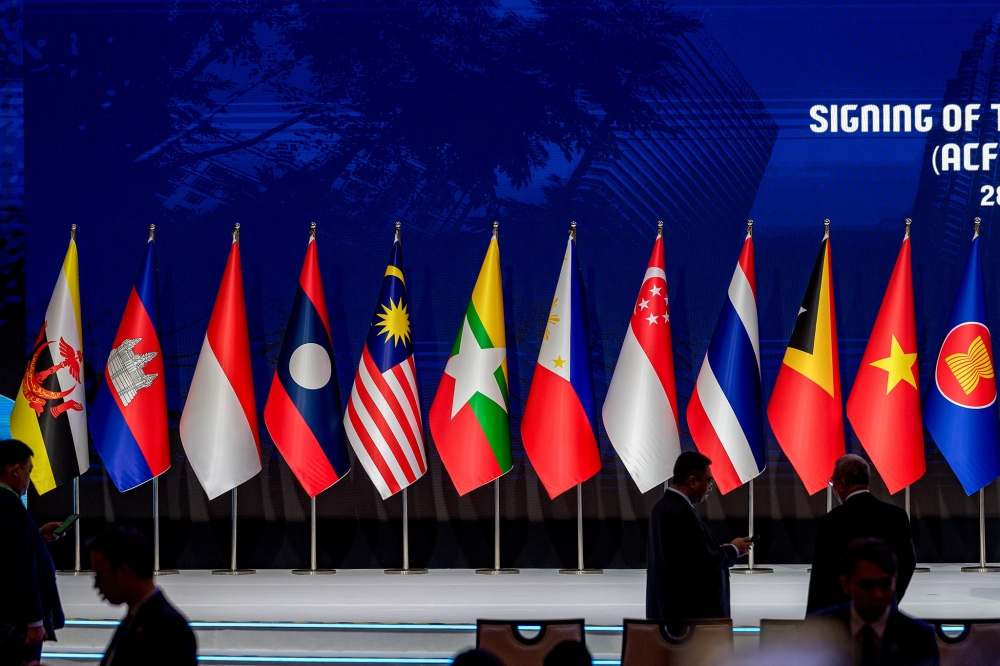
The Regional Comprehensive Economic Partnership (RCEP) is a historic agreement that brings together 15 Asia-Pacific countries that generate almost one-third of the global economy with more than a 2.2 billion-strong population and a total gross domestic product (GDP) of $26 trillion

<p>Time: November 2025<br /> By: WTO and International Trade Group, Legal Department – VCCI</p>
