

The European Union (EU) recognises Malaysia’s ambition to move further up the semiconductor value chain, with its Global Gateway investment initiative and the proposed Malaysia-EU Free Trade Agreement (MEUFTA) offering opportunities to strengthen economic cooperation between the two sides.
European Commissioner for International Partnerships Jozef Síkela said Malaysia was already one of the world’s most important semiconductor hubs and was now seeking to advance further up the value chain.
He said this presented an opportunity to build a mutually beneficial partnership, enabling Malaysia to retain more economic value domestically while helping Europe strengthen and diversify its supply chains.
“For Malaysians, that should mean more value staying here: more skills, stronger local suppliers and better-quality jobs. For Europe, it means stronger and more diversified supply chains,” Síkela told Bernama in a written interview.
He said this was the type of partnership the EU aimed to build through Global Gateway, which seeks to strengthen economic links through investment and cooperation with partner countries.
Diversification mattered more than ever in a more fragmented world, as having more reliable partners gave economies greater choices and made them stronger, he said
MEUFTA TO STRENGTHEN TRADE AND INVESTMENT
Síkela also highlighted the importance of the MEUFTA negotiations, saying the agreement could remove trade barriers, facilitate investment and give Malaysian businesses better access to the European market.
The fifth round of MEUFTA negotiations was held in Brussels, Belgium, from Sept 21 to 25, with the next round scheduled to take place in Malaysia in the coming months.
Five rounds of negotiations have been held since June 2025, with Malaysia and the EU aiming to conclude the negotiations by the end of 2027.
“Malaysia and the EU have complementary economic strengths, with Malaysia well positioned in technologies and industries important to Europe, while the EU offers technology, investment and access to a market of 450 million consumers,” Síkela said.
In the first eight months of this year, trade between Malaysia and the EU grew by 21 per cent, with Malaysian exports to Europe rising by more than 28 per cent and European exports to Malaysia increasing by almost 12 per cent.
Close to 2,000 European companies operate in Malaysia, employing more than 160,000 people directly.
EU-ASEAN COOPERATION FOCUSES ON ENERGY, CONNECTIVITY
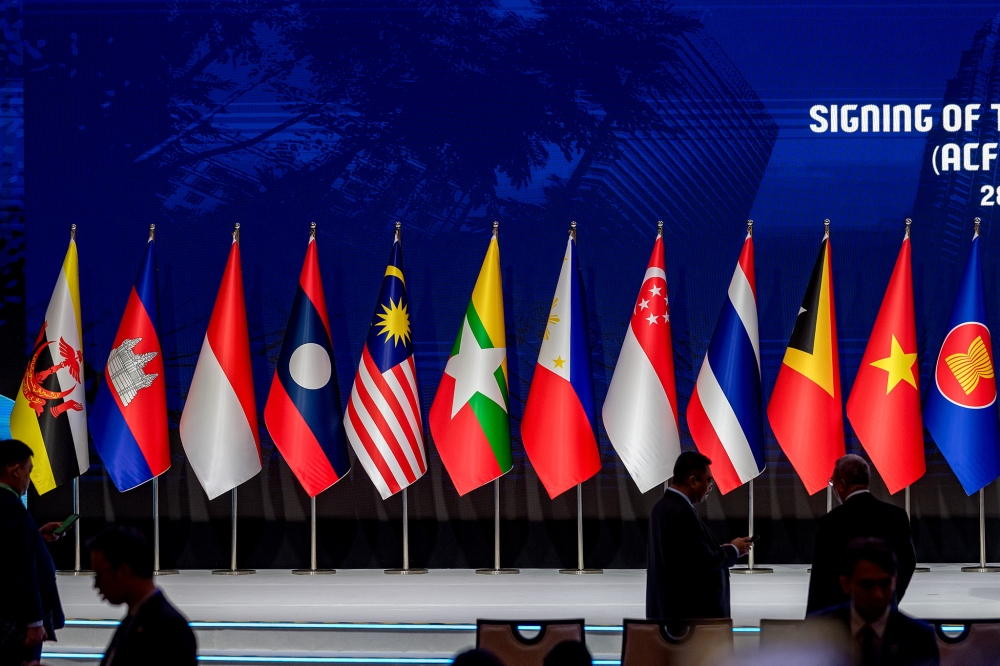
On the EU’s engagement with ASEAN, Síkela said the bloc was focusing on energy, digital connectivity, transport, sustainable value chains, research and skills.
“Malaysia has a very strong combination: a strategic position in ASEAN, excellent infrastructure, a skilled workforce, a strong manufacturing base and an environment where international companies can operate easily,” he said.
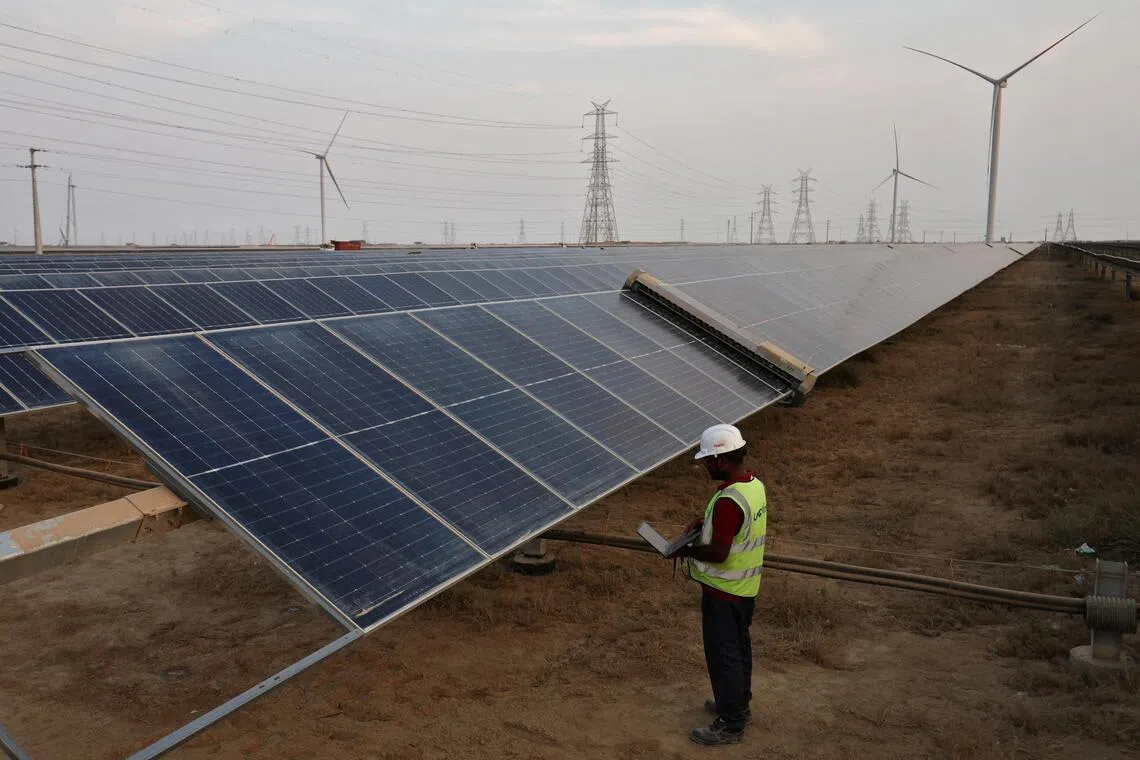
On the ASEAN Power Grid, Síkela stressed the importance of investment in interconnected electricity systems, saying a strong and flexible grid was as important as reliable energy production.
“Regions where electricity systems are interconnected have choices. This flexibility makes their energy security stronger. If one country has a shortage, electricity can come from another. If another has abundant renewable energy, it can send it across the border, where it can be used,” he said.
Síkela said his experience as the Czech minister responsible for energy in 2022, when Russia used energy as a weapon against Europe, had shown him the vulnerabilities associated with excessive dependence on one source or supplier.
Under the EU’s regional Asia-Pacific programme, 60 million euros in grants have been provisionally allocated for energy cooperation with ASEAN, alongside bilateral support and investment from European development banks.
In cooperation with the ASEAN Centre for Energy, the EU has already supported the ASEAN School of Regulation, the ASEAN Interconnection Masterplan Study and the Roadmap for Multilateral Power Trade.
Source: Bernama
Share:
<p>Time: November 2025<br /> By: WTO and International Trade Group, Legal Department – VCCI</p>
