

After several months of negotiations, Malaysia on Oct 26 emerged as one of the first countries in Asia to conclude a reciprocal trade agreement with the US as the powerhouse economy steps up its “reciprocal tariff” push across the globe.
The Indonesian government has refuted earlier claims that radioactive contamination in exported shrimp and cloves originated from imported scrap metal, suggesting that the Cesium-137 radiation detected at the Modern Cikande Industrial Estate (KIMC) in Banten came from domestic sources, not foreign imports.
Thailand maintains its export target for next year at 7.5 million tonnes, including 3.5 million tonnes of white rice, 1.7 million tonnes of hom mali rice, 1.4 million tonnes of parboiled rice, 600,000 tonnes of Thai fragrant rice and 300,000 tonnes of sticky rice.
While the bilateral trade between Cambodia and the US reached $10.7 billion, reflecting favourable conditions for local businesses and export growth; with China, however, the volume of raw material imports remains disproportionately high.
While garments and footwear will remain central to Cambodia’s economy, developing stronger domestic production capacity, increasing value-added processing would reduce vulnerability to external trade shocks.
The main markets for Kingdom’s milled rice include China, the EU markets and ASEAN member nations.
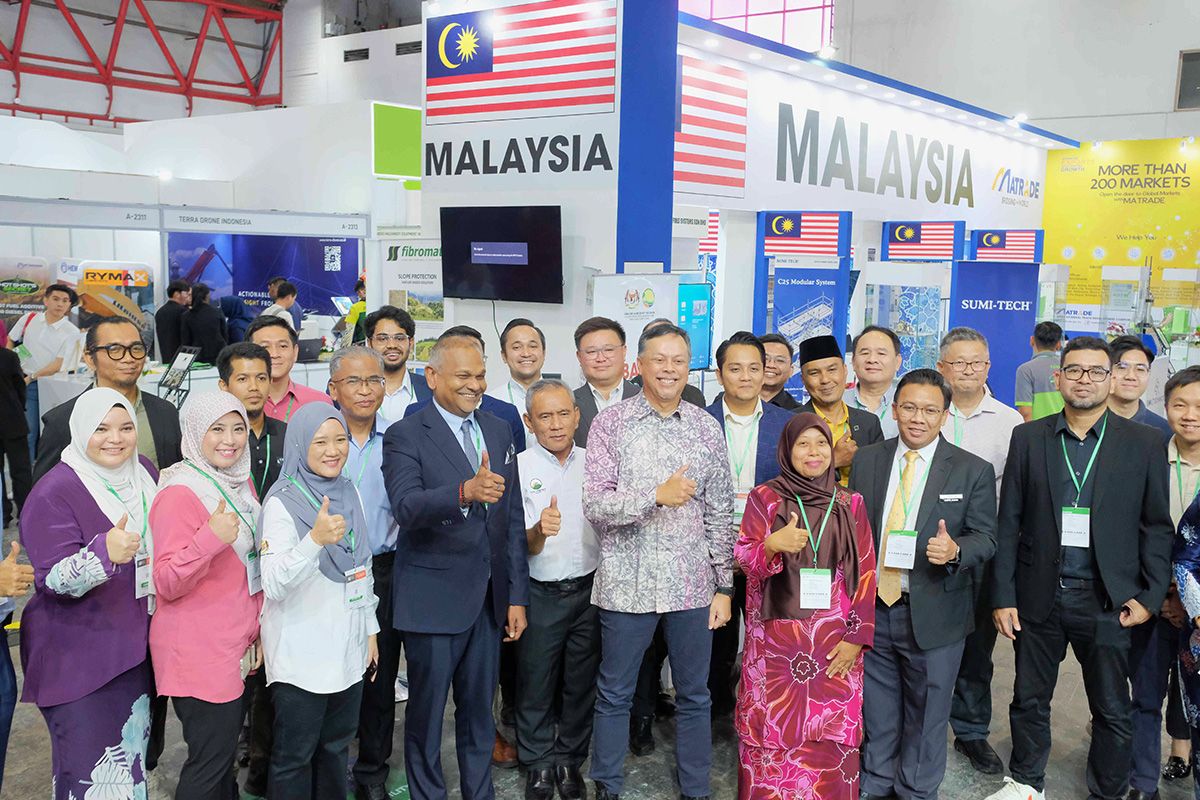
Malaysia's Exports to the Comprehensive and Progressive Agreement for Trans-Pacific Partnership (CPTPP) and the Regional Comprehensive Economic Partnership (RCEP) member countries increased from January to September 2025 despite uncertain global trade conditions.
The Philippine government announced tariffs on imported rice from January 2026 after extending the ban on rice imports until the end of 2025.
<p>Time: November 2025<br /> By: WTO and International Trade Group, Legal Department – VCCI</p>
