

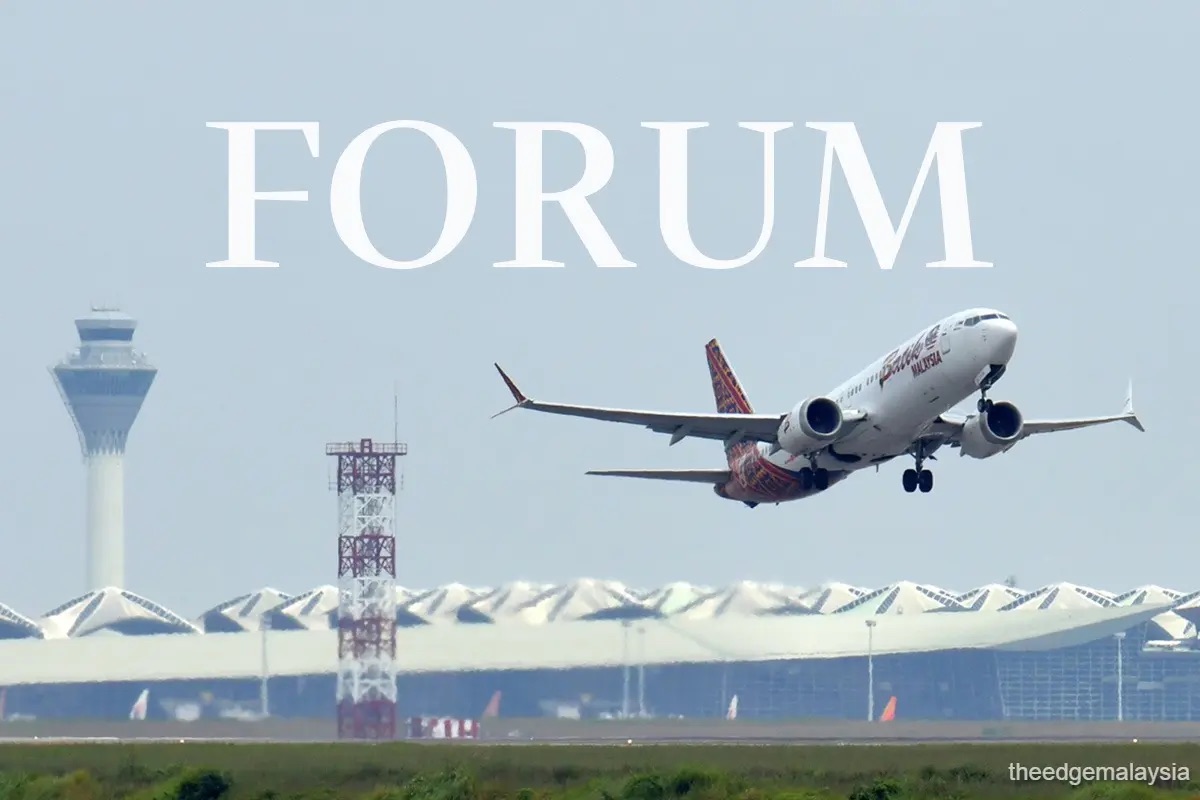
We are halfway through 2026 and the Asia-Pacific aviation sector — with the Association of Southeast Asian Nations (Asean) at its core — is navigating an operating environment that entirely defies historical precedent. We are witnessing a bizarre paradox: passenger demand is surging yet airlines are aggressively cutting capacity. To understand this contradiction, one must look beyond the ticket counter and into the refineries, the fractured supply chains and the geopolitical flashpoints reshaping the skies.
For industry planners, investors and passengers alike, 2026 is defined by high costs, constrained supply and structural shifts that will alter the economics of flying for years to come.
The fuel crisis no one hedged for
The defining shock of 2026 has been the extreme volatility in global energy markets, exacerbated by ongoing geopolitical friction in the Middle East. While crude oil prices have certainly elevated — hovering persistently around the US$90 to US$95 per barrel mark — the true assassin of airline profitability has been the crack spread.
The crack spread is the price difference between crude oil and refined petroleum products such as jet fuel. Historically, this margin lingered comfortably around US$15 to US$20 per barrel. By the second quarter of 2026, it reached staggering highs, driven by a severe bottleneck in refinery outputs. Gulf and Asian refineries, which supply a massive portion of the world’s jet fuel, simply cannot process enough crude to meet the revitalised global demand.
Consequently, jet fuel prices essentially doubled, averaging over US$140 per barrel. For Asean’s fiercely competitive low-cost carriers — which traditionally operate on razor-thin margins with minimal long-term fuel hedging — this represents an existential threat. When fuel accounts for upwards of 35% to 45% of operational costs, every marginal route becomes a rapid cash-burn exercise. Furthermore, the creeping introduction of Sustainable Aviation Fuel mandates across the region, while environmentally necessary, is currently adding a green premium to the baseline cost of flying, as SAF remains significantly more expensive than conventional jet fuel.
Squeezing capacity, surging fares
Airlines have responded to this punishing cost environment with ruthless pragmatism: they have entered self-preservation mode. Across Asia-Pacific, available seat capacity was strategically cut by about 8% to 10% between March and June, compared with initial projections.
Crucially, this is not a demand problem. Travellers desperately want to fly. Global passenger demand grew steadily in early 2026, with Asia-Pacific load factors hitting near-record highs of 85%. The era of “revenge travel” has transitioned into a structural normalisation of higher travel budgets. Instead of empty planes, we have fewer planes chasing the same number of passengers. Airlines are simply removing seats they cannot profitably fill at current fuel and operational costs.
The inevitable result is a sharp spike in average fares. With the surging cost of fuel, labour and airport fees being passed onto the consumer, airfares across the Asean region have climbed by 20% to 30% year on year. The structural squeeze on capacity means these elevated prices are not seasonal anomalies; they are the new baseline. Furthermore, airlines are aggressively expanding ancillary revenue streams — charging a premium for baggage, seat selection and flexibility — making the true cost of travel even higher than the base fare suggests.
The Middle East contraction and Asean hub rivalries
Geopolitical turmoil has profoundly impacted the Middle East, leading to a noticeable contraction in its aviation market due to severe airspace restrictions and rerouting mandates. This has fractured established global transit routes that heavily relied on Gulf mega-hubs.
For Asean, the impact is twofold. On one hand, the reduction in Gulf carrier capacity has tightened international seat availability, particularly on Europe-Asia routes. On the other hand, it has forced a massive rerouting of traffic, positioning alternative hubs in Asia-Pacific as critical transit nodes. Airports like Singapore Changi, Kuala Lumpur International and Bangkok Suvarnabhumi are locked in a fierce battle to capture this displaced transit traffic. Asean legacy carriers with robust long-haul networks, such as Singapore Airlines and a revitalised Malaysia Airlines, are absorbing some of this demand, though longer flight times and airspace detours further exacerbate their fuel burn.
Supply chains and the aircraft drought
If airlines wanted to expand to capture this spillover demand and lower ticket prices, they simply could not. The industry remains completely throttled by chronic supply chain constraints.
Delays in new aircraft deliveries from the Airbus and Boeing duopoly mean airlines are forced to extend the leases of older, less fuel-efficient aircraft. In a high fuel cost environment, flying older jets is a painful, margin-destroying reality. Furthermore, Boeing’s prolonged quality assurance overhauls have severely delayed 737 MAX deliveries, hampering fleet modernisation plans for carriers like Lion Air and Malaysia Airlines.
Equally devastating are the ongoing engine durability issues. The well-documented powdered metal defects in Pratt & Whitney’s Geared Turbofan engines have forced prolonged inspections, grounding dozens of Airbus A320neo family aircraft across Asean fleets, hitting carriers like Cebu Pacific, Scoot and AirAsia particularly hard.
The maintenance, repair and overhaul (MRO) sector is severely backlogged. Shortages of spare parts and skilled aviation technicians mean planes that should be flying are parked on the tarmac. While significant capital is flowing into MRO infrastructure across Malaysia (such as Sultan Abdul Aziz Shah [Subang] Airport’s regeneration), Indonesia and the Philippines, these investments will take years to mature. For now, the inability to swiftly acquire or repair aircraft is keeping a hard ceiling on airline expansion.
The cargo silver lining
Amid the passenger-side turbulence, air cargo has emerged as a vital shock absorber for Asean airlines. The very geopolitical disruptions plaguing global maritime routes have triggered a massive wave of inventory stockpiling. Businesses, fearful of further supply chain fractures, are prioritising speed over cost, shifting high-value goods to air freight.
Air cargo demand in the Asia-Pacific region grew by over 5% in the first half of 2026. For Malaysia, this trend is particularly lucrative. Driven by the sustained global boom in artificial intelligence and data centres, the demand for advanced semiconductors — of which Malaysia is a critical global exporter — has provided a reliable, high-yield revenue stream for regional cargo operators, padding the bottom line for aviation groups operating freighter fleets.
A resilient horizon
Despite the onslaught of headwinds — from punishing crack spreads and engine groundings to a persistently strong US dollar that inflates dollar-denominated aircraft leases — the Asean aviation sector is not collapsing; it is adapting.
Strategic initiatives, such as Visit Malaysia 2026, coupled with the vital extension of visa-free access for massive source markets such as China and India, are providing a strong structural floor for inbound tourism. Airlines are shifting from a pure market-share growth mindset to one of margin preservation and operational discipline.
The remainder of 2026 will require industry leaders to maintain extreme agility. Network planners will have to continuously adjust schedules based on aircraft availability and fuel economics rather than just passenger demand. For the consumer and the investor, the message is abundantly clear: the global desire to travel remains unbroken but the economics of flight have been fundamentally rewritten. The Asean aviation industry of 2026 is slightly smaller, vastly more expensive, but impressively resilient.
Source: Theedge
Share:



<p>Time: November 2025<br /> By: WTO and International Trade Group, Legal Department – VCCI</p>
