

Don’t cry for me Indonesia – and landlocked Laos surprises
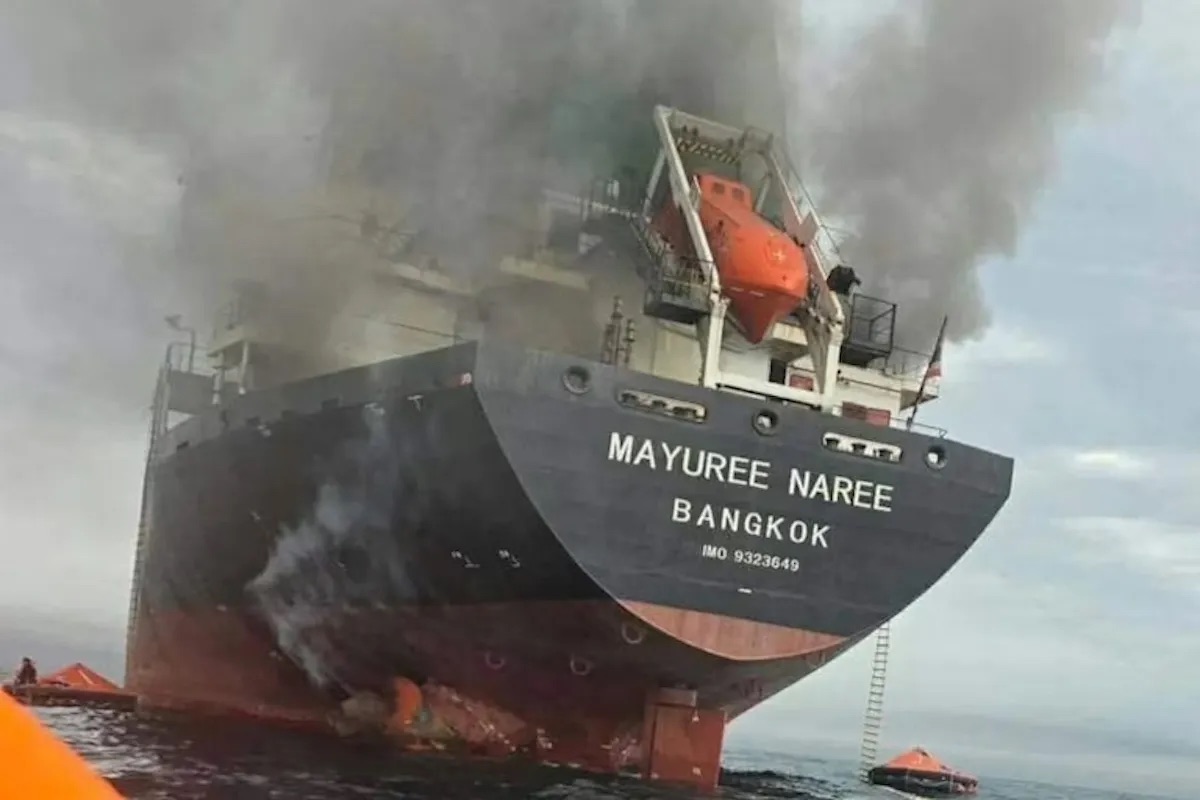
The Hormuz crisis is too often seen as ASEAN oil-shock story. Truth is, it is that. But in addiiton it’s a human ledger of pain and an economic index of sorts.
Ask who’s been hurt the most regionally, and the answer is more complex than most of us might imagine. The answer is also not the most obvious one.
Indonesia and its currency would be the obvious standout contender. The rupiah, makes for easy “1997 all over again” headlines, and the story makes perfect sense: the Strait of Hormuz closed and oil prices spiked.
In late February, Indonesia’s import bill for the crude it relies on ballooned, draining dollars and hammering the currency. By June the rupiah had broken through levels not seen even during the legendary 1997 collapse, which spilled through the region to Bangkok, earning it the regional “tom yum kung crisis” moniker.
Analysts have noted rightly that the comparison is more evocative than exact. Private dollar debt today is far smaller than it was in the late 1990s, and the current depreciation looks more like a painful but manageable balance-of-payments adjustment than the prelude to a banking collapse.
But the headline wrote itself regardless, and headlines shape how a crisis gets remembered – even when, as has been the case recently, the country with the scariest charts is not the one where the economy hurts the most.
Where it really hurt: the Philippines
The real ASEAN Hormuz casualty is the Philippines, fourth-largest ASEAN nation by land mass, second by population and yet, apparently, small enough for analysts to overlook it, or at least as far as the crisis narrative has done so far.
The Philippines doesn’t have a strategic reserve problem so much as a dependency problem: near-total reliance on Gulf crude, backed by next-to-no commercial fuel buffers.
The result was a declared state of national energy emergency (sometimes referred to as EO 110, a one-year mandate), and jeepney drivers striking over fares they could no longer absorb. The country’s president signed the order in late March, citing the closure of the strait as a direct threat to the Philippines’ energy security and authorizing measures against hoarding and price manipulation alongside a broader livelihoods-and-transport-support package.
By July, commentators were still pointing out that the emergency declaration bought time – it was a one-year mandate to be specific) but did not fix the underlying exposure. Diesel prices had seen some of the steepest increases worldwide, and analysts used the president’s mid-year address to press the point directly:
Source: Asiatimes
Share:


<p>Time: November 2025<br /> By: WTO and International Trade Group, Legal Department – VCCI</p>
