

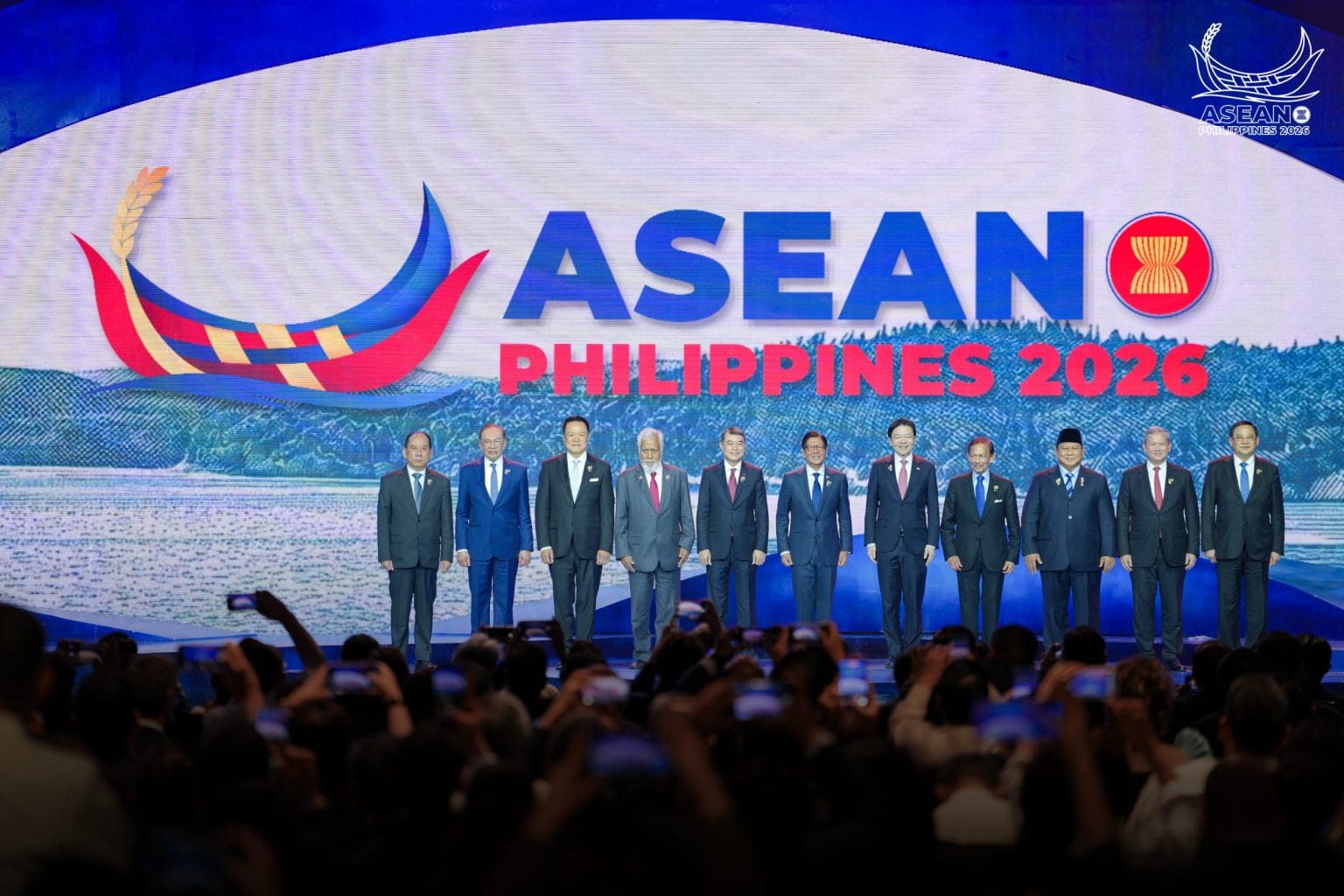
Malaysia’s Defence Minister Datuk Seri Mohamed Khaled Nordin said meaningful dialogue on Indo-Pacific security depends on a peaceful and united ASEAN, stressing that Southeast Asia remains at the geographical and strategic heart of the wider region, Bernama reported.
He said ASEAN’s established security architecture must remain the primary channel for substantive discussions on the Indo-Pacific, while reminding external partners and global powers that Southeast Asia must continue to be a Zone of Peace, Freedom, and Neutrality (ZOPFAN).
“First and foremost, I would like to firmly state and remind everyone that Southeast Asia is, and must continue to remain, a Zone of Peace, Freedom, and Neutrality (ZOPFAN).
“We do not believe that peace requires us to choose sides. Rather, peace requires us to engage all and respect all, while remaining strictly guided by our core principles and national interests,” he said.
Mohamed Khaled was speaking in his opening address at the United States Indo-Pacific Command (USINDOPACOM) 37th Annual International Military Law and Operations Conference (MILOPS) 2026 here today.
He also said countries seeking to engage with ASEAN must understand and respect the Treaty of Amity and Cooperation in Southeast Asia (TAC), which he described as ASEAN’s code of conduct based on mutual respect, peaceful dispute settlement, non-interference and constructive cooperation.
“ASEAN’s success over the decades has never happened by chance. It was built on our neutrality and non-aligned stance, allowing our diverse cultures, religions and systems to thrive while building investor confidence and prosperity,” he added.
Addressing military leaders, practitioners and legal experts, Mohamed Khaled said armed forces should ultimately exist to prevent conflict rather than create it.
“The true purpose of being in the military is not to wage war, nor to create conflict, but to ensure that war and conflict never become necessary. The presence of military forces should never be seen as a demonstration of power or intimidation, but as a collective commitment to peace,” he said.
He also called on major military powers to exercise their capabilities responsibly and consistently respect international law and the rules-based order.
“This recognition comes with immense responsibility. We do not presume to tell you how to conduct your foreign policy, but we expect you to do so while respecting international law and rules-based order consistently, not selectively,” he said.
Source: Businesstoday
Share:

<p>Time: November 2025<br /> By: WTO and International Trade Group, Legal Department – VCCI</p>
