

Economists and the semiconductor industry in the Philippines have expressed pubic alarm over the US' recent proposal to slap 100 percent tariffs on Philippine semiconductor exports to the US, warning of potentially devastating consequences.
Southeast Asia is an area that has various countries with fast-growing economic potential, including Indonesia. As one of the countries with the largest economies in the region, Indonesia has challenges and opportunities to continue to increase its growth.
The first half of 2025 closed with relatively positive economic notes, despite lingering debates over the accuracy of data presented by the government versus that compiled by independent institutions.
Cambodia has revised its economic growth forecast for 2025 down to 5% from the earlier estimate of 6.3%, the Ministry of Economy and Finance said in a mid-year report released on Saturday.
Cambodia has firmly established China as one of its top three source markets in 2025, driven by a surge in Chinese tourist arrivals that is fueling economic growth and boosting the hospitality sector.
TDRI warns Thailand risks losing FDI, especially in high-tech upstream sectors; it urges reforms in wages, skills, R&D, and easing regulatory barriers.
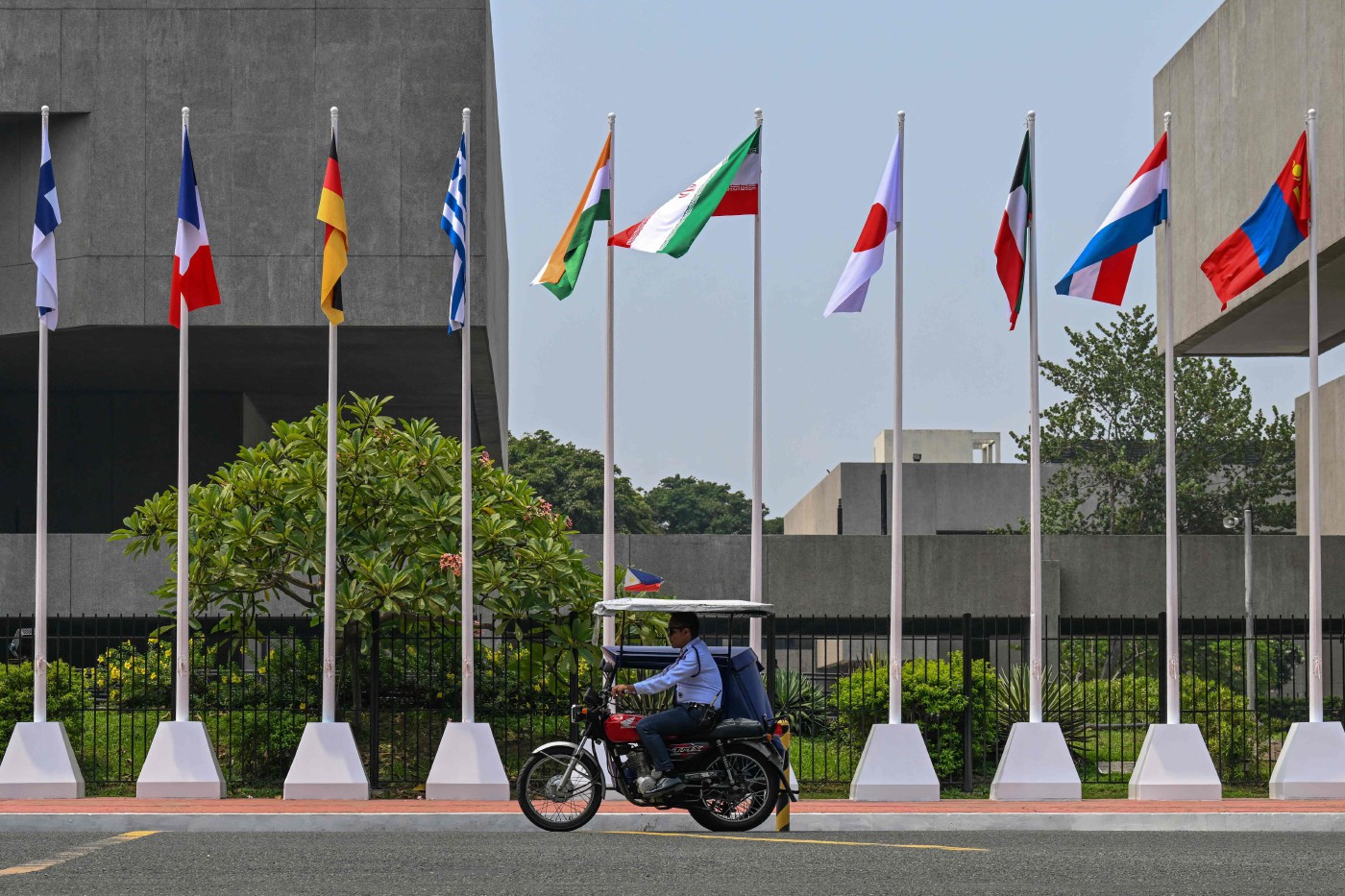
Of the proposed P17.5 billion for the Philippines' ASEAN hosting in 2026, P10.7 billion will be released directly to Marcos' office
Myanmar’s closure of the second Thai-Myanmar Friendship Bridge has inevitably disrupted Thailand’s exports. This marks the second major border trade route to be affected, following disruptions with Cambodia.


<p>Time: November 2025<br /> By: WTO and International Trade Group, Legal Department – VCCI</p>
