

Norwegian salmon exporters gain ground in Thailand as Asian shift accelerates.
The Philippines will sign at least three free-trade agreements (FTAs) next year, including a historic deal with the European Union (EU), as part of the government’s bid to boost the country’s exports, which remain robust despite global headwinds.
Closer China-ASEAN agri co-op driven by FTA dividends, enhanced infrastructure: expert
Indonesia registered a double-digit growth in its palm oil exports as of October, enabling the resource-rich economy to enjoy 66 months of being in the black, according to the Central Statistics Agency (BPS).
Indonesia posted a smaller-than-expected trade surplus in October after exports unexpectedly fell, official data showed on Monday, amid curtailed demand from China and weak shipments of mining products.
Phaichit Viboontanasarn, vice-chairman and secretary-general of the Thai Chamber of Commerce in China and former Minister Counsellor (Commercial) at the Royal Thai Embassy in Beijing, has warned that Thailand has spent more than a decade missing out on “strategic opportunities” in the Chinese market.
PHILIPPINE exports sustained its double-digit growth in October as it recovered from the impact of United States’ trade policies.
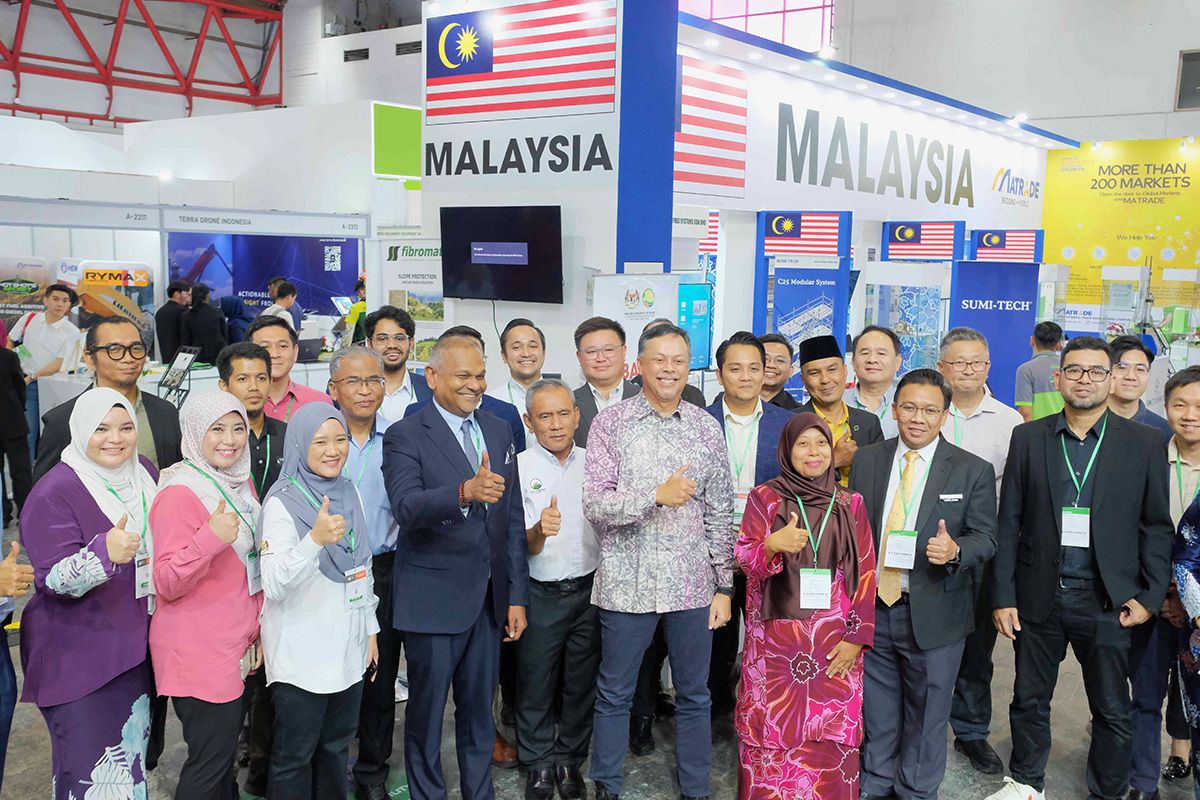
As the digital landscape evolves, e-commerce continues to play an important role in driving business activities, particularly in expanding market access and enhancing the competitiveness of the Malaysian economy.

<p>Time: November 2025<br /> By: WTO and International Trade Group, Legal Department – VCCI</p>
