

The rules-based order governing global commerce has given way to disorder, due mainly to an unpredictable and increasingly protectionist US trade policy under President Donald Trump. Even after the US Supreme Court struck down Trump’s reciprocal tariffs in February 2026, his administration has been pursuing every means possible to reintroduce them.
A Section 301 investigation into forced labour concluded in July 2026, resulting in 10–12.5 per cent tariffs being imposed on all 60 economies investigated, including most Southeast Asian countries. Another investigation into structural excess capacity is ongoing, while efforts to expand existing Section 232 tariffs could affect critical minerals, robotics and pharmaceuticals as well as aircraft and jet engines. These developments signal that tariffs previously imposed on ASEAN countries could return under alternative, potentially more durable, statutory authorities.
An August 2026 White House report branded most Southeast Asian countries as transshipment hubs for China, accusing Chinese companies of using the region as a conduit. These accusations came amid a nearly 30 per cent increase in Southeast Asia’s exports to the United States in 2025. The Trump administration had previously announced an additional 40 per cent levy on goods found to have been transshipped to evade tariffs.
Mixed signals compound the uncertainties. While the United States agreed to reduce tariffs on ‘non-sensitive’ Chinese imports following the Trump–Xi summit in September 2026, investigations targeting multiple trade partners continue.
While various coalitions attempt to reconstruct a rules-based order, exporting firms must navigate the current disarray. Exporters’ responses to Trump’s reciprocal tariffs announced in April 2025 offer clues to how they might respond to any new tariffs in both the short and long run.
Exporting firms have two options in the short run. They can pass tariffs on to consumers through higher prices or absorb some or all of the costs by cutting profit margins. Based on his first term, when foreign exporters absorbed nearly half of the steel tariffs, Trump expected the same this time around. But exporters had less incentive to absorb the reciprocal tariffs because they applied broadly across countries, reducing their impact on relative competitiveness. The differences in reciprocal tariff rates across ASEAN countries also narrowed over time, with most rates converging around 20 per cent.
Exporters of goods subject to reciprocal tariffs opted for high or full pass-through, resulting in higher prices for US consumers and producers. This response, combined with the uncertainty following the Supreme Court ruling, increases the likelihood that the Section 301 tariffs and any further tariffs will also be passed through.
There are two long-run options. Multinational corporations (MNCs) can reduce tariff exposure by reconfiguring their supply chains through relocation. MNCs have been doing so since Trump 1.0 raised tariffs on China, with Southeast Asia continuing to benefit from this relocation during Trump 2.0. This trend could continue if a significant gap remains between the tariff rates imposed on China and those imposed on Southeast Asian countries. But MNCs are waiting to see whether US Customs exploits grey areas in verification processes to crack down on alleged transshipment. If so, investment relocation to Southeast Asia could slow or stop.
Firms may also avoid tariffs by relocating production to the United States. But there remains little evidence of this reshoring. What has increased is the divide between corporate reshoring pledges and the evidence in macro, investment and trade data. Entrenched supply chain ecosystems have made it either extremely costly or nearly impossible to reshore production or assembly for most complex manufactures, especially to a high-cost country.
Another long-run response is diversifying markets to reduce reliance on the United States. This can only happen gradually, as exemplified by surges in exports to the United States from Southeast Asia, despite widespread intentions to expand non-US trade. But uncertainty following the Supreme Court decision and the prospect that tariffs may remain beyond the current administration have likely increased desires to reduce reliance on the US market.
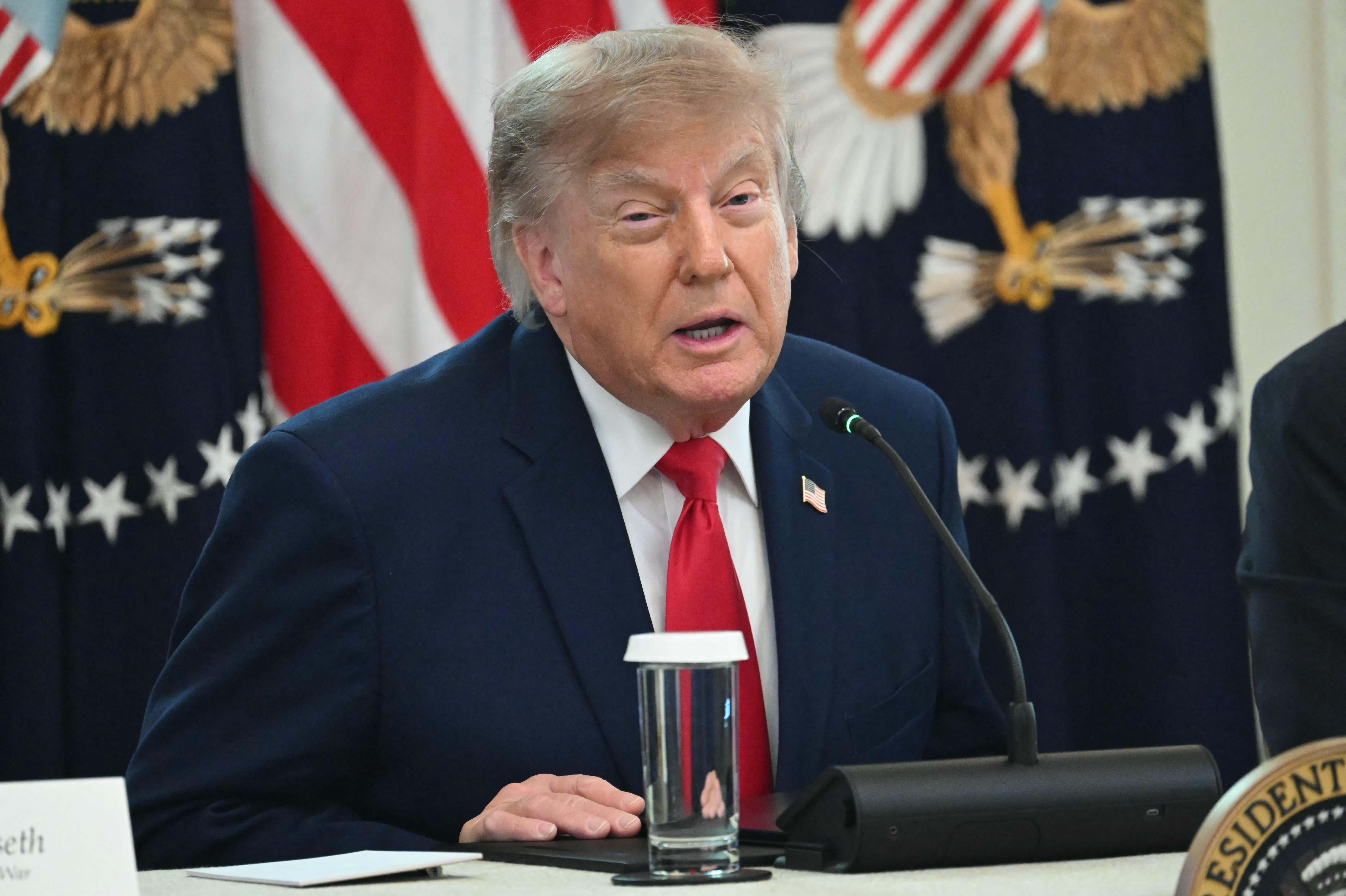
ASEAN countries have been laying the groundwork for a future with reduced dependence on the United States by intensifying intra-regional cooperation and pursuing inter-regional trade agreements within Asia and beyond. The Regional Comprehensive Economic Partnership has been jolted into action, with a General Review scheduled for 2027.
Indonesia concluded negotiations for a landmark Comprehensive Economic Partnership Agreement with the European Union in September 2025, while negotiations between the European Union and Malaysia, Thailand and the Philippines have intensified. Indonesia has also concluded an agreement with the United Arab Emirates, while ASEAN is increasing its engagement with the Gulf Cooperation Council by institutionalising structured summits.
The Supreme Court ruling against the reciprocal tariffs has inadvertently increased the volatility of tariff rates and prompted the Trump administration to expand protectionism through more durable statutory authorities. In the short run, high or full tariff pass-through will add to US inflation. Over the longer term, MNCs may continue reconfiguring their supply chains in ways that benefit Southeast Asia, while regional governments pursue trade diversification through intra- and inter-regional agreements and unilateral liberalisation.
Amid persistent uncertainty and an administration determined to levy tariffs by any legal means, Southeast Asia’s ability to ride out another round of tariffs depends on deeper regional integration and diversification beyond the US market.
Source: East Asia Forum
Share:
<p>Time: November 2025<br /> By: WTO and International Trade Group, Legal Department – VCCI</p>
