

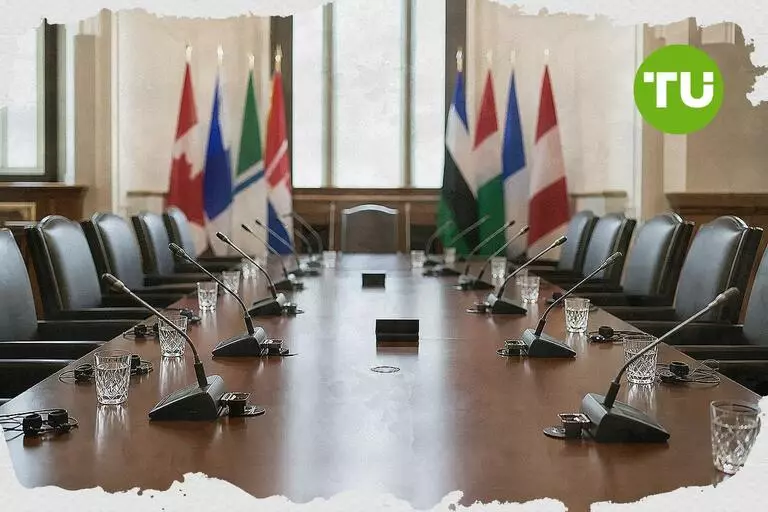
Canada and Vietnam are reinforcing trade ties as Ottawa pushes for broader commercial access in Southeast Asia. Canadian merchandise exports to Vietnam increased by 30.2% in 2025, while both sides are discussing deeper cooperation in energy, aerospace, agriculture and agri-food.
Ottawa meeting advances regional trade agenda
As reported by Global Affairs Canada, International Trade Minister Maninder Sidhu meets Vietnam’s Minister of Industry and Trade, Lê Mạnh Hùng, in Ottawa to discuss the expanding bilateral trade and investment relationship and the next steps for wider regional economic cooperation.
The ministers review opportunities to expand commercial ties in several sectors identified as priorities, including energy, aerospace, agriculture and agri-food. The discussion comes as Canada seeks to strengthen its position in fast-growing Asian markets and build on recent export gains to Vietnam.
Sidhu also thanks Vietnam for supporting progress in discussions toward an ASEAN-Canada free trade agreement. The two sides are working toward concluding those negotiations in 2026, a goal that would broaden Canada’s market access across the region.
CPTPP role supports broader market access
Canada also uses the meeting to highlight Vietnam’s role in regional trade governance through its chairmanship of the Comprehensive and Progressive Agreement for Trans-Pacific Partnership, or CPTPP. Sidhu says he looks forward to the CPTPP Commission meeting in November, which is set to include the second CPTPP-EU Trade and Investment Dialogue.
The talks underline Vietnam’s growing importance to Canada’s Asia trade strategy, both as a bilateral partner and as a gateway to wider regional integration. For exporters in sectors such as agriculture, aerospace and energy, stronger institutional trade links could support additional demand and investment opportunities.
In our earlier report on the U.S. push for trade-focused economic diplomacy, we covered how officials framed private-sector investment and clearer cross-border deal frameworks as key tools for building longer-term economic value. The piece highlighted a broader shift from aid-led engagement toward trade and investment partnerships, with implications for countries seeking deeper commercial ties and more predictable market access.
Source: Trader Union
Share:
<p>Time: November 2025<br /> By: WTO and International Trade Group, Legal Department – VCCI</p>
