

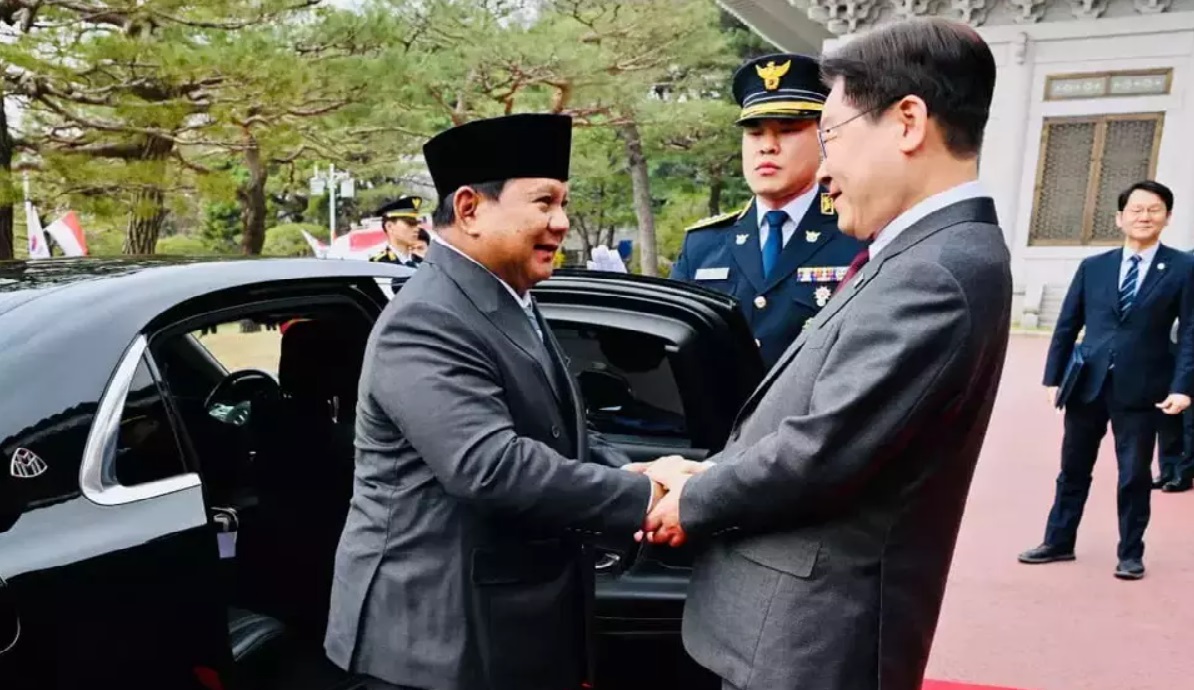
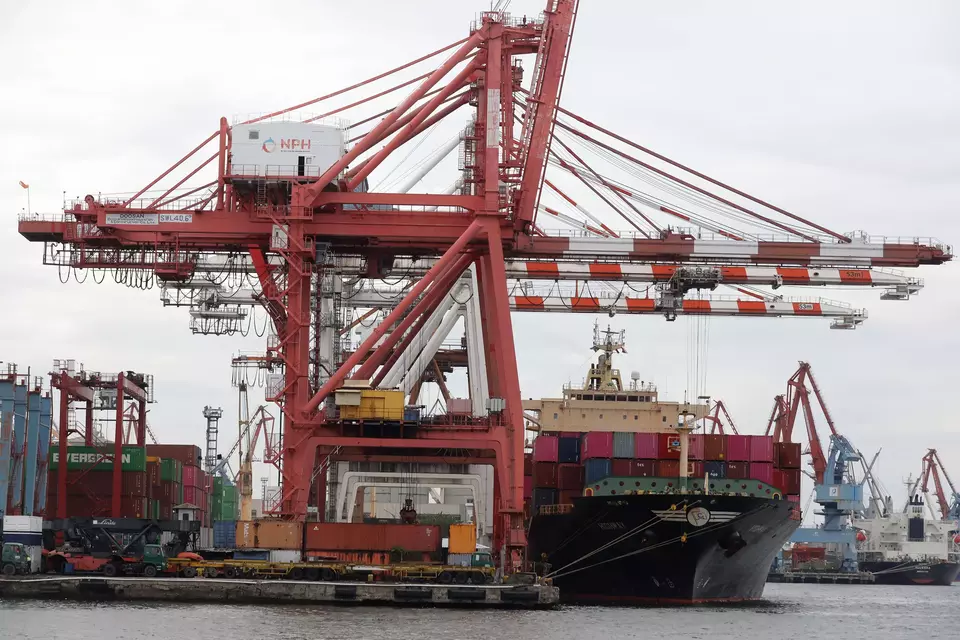
ASEAN and South Korea have set a 2027 deadline to upgrade their free trade agreement (FTA) as they plan to team up on building the critical mineral supply chain.
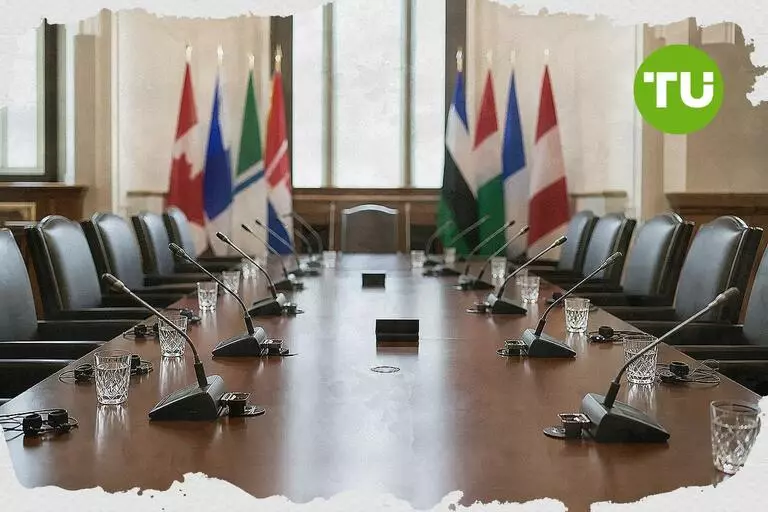
Both sides have been trying to modernise their decades-old FTA. The negotiations, which has only begun in mid-2026, became a talking point when their trade ministers gathered in the Philippines over the weekend. It was also then that they unveiled the completion target.
“The meeting encouraged officials to work closely towards a substantial conclusion of the negotiations by 2027,” a joint statement reads.
The upgrades are set to go beyond traditional tariff cuts. They include ‘supply chain connectivity, energy cooperation, raw and intermediate materials’. They hope to expand the scope to sustainable development, the green economy and the digital economy.
South Korean Trade Minister Park Jung-sung told his ASEAN counterparts that day that Seoul would ‘work to accelerate the (deal’s) upgrades…while expanding practical cooperation in future-oriented areas’ such as supply chain, critical minerals, digital trade and AI.
“Our goal is to deliver tangible benefits that businesses on both sides can feel,” Park said.
He added that Seoul’s pursuit of stronger commerce ties would ‘fully respect the principles of ASEAN centrality and unity’. For context, ASEAN makes its decisions based on consensus.
ASEAN’s preliminary statistics put the region’s two-way merchandise trade with South Korea at around US$226.1 billion in 2025. Investment inflows from South Korea into the Southeast Asian bloc reached US$8.9 billion that same year.
Automaker Hyundai remains a notable example of South Korean business presence in the nickel-rich Indonesia.
The company already operates a battery cell factory, whose output it uses to power its domestically produced electric car models. Hyundai’s first Southeast Asian plant is also in the West Javan industrial town of Cikarang. The South Korean government has wooed the Indonesian side to provide incentives on nickel-based batteries to back Hyundai’s investments.
South Korea has also set its sights on Philippine nickel.
The Philippines’ reserves of the silvery-white metal key in battery production are among the world’s largest, totalling 4.8 million metric tonnes. It is, however, still a small fraction of Indonesian nickel reserves of 62 million metric tonnes, according to a US Geological Survey estimate.
South Korea’s direct investments into Indonesia totalled US$880.4 million in the first half of 2026. Annual goods trade neared US$11.4 billion as of the end of July, government data showed.
Source: SME Magazine
Share:
<p>Time: November 2025<br /> By: WTO and International Trade Group, Legal Department – VCCI</p>
