

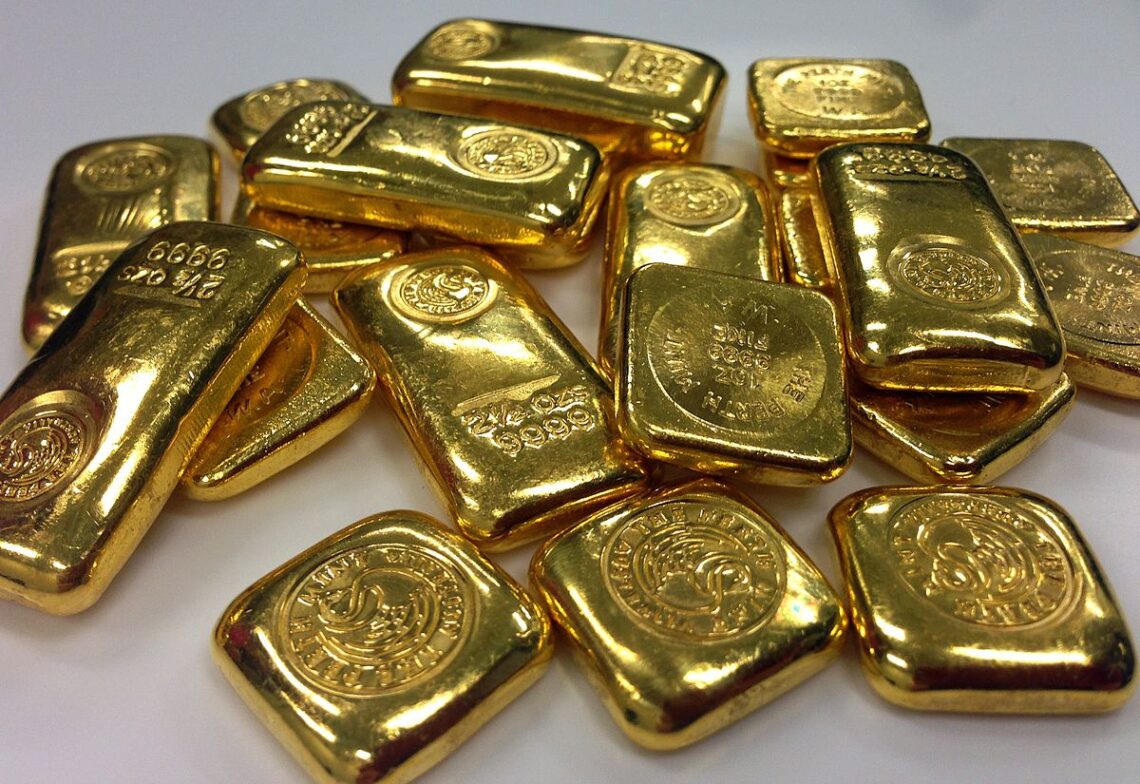
Thailand ranked 7th for over-the-counter gold purchases with 39.8 tonnes, a 17% increase from last year, fueled by active gold shops in Chinatown and accessible trading apps.
Thailand’s gold market is experiencing explosive growth, but this surge is having unintended consequences on the country’s economy. The gold market is strengthening the Thai currency, making the country more expensive for visitors and weakening trade competitiveness.
Key Points
Thailand has long held a deep cultural reverence for gold, viewing it as a symbol of prosperity, status, and spiritual significance. This affinity is evident in everyday life, from ornate temple decorations and traditional jewelry to its use in ceremonies and even as employee bonuses in the form of gold necklaces. Unlike in many Western cultures where gold is primarily an investment asset, Thais often purchase it for personal fulfillment, regardless of market fluctuations. In recent years, however, this “addiction” has evolved into a speculative frenzy, fueled by soaring global gold prices and easy access to online trading platforms. As of January 2026, this obsession is exerting significant pressure on the Thai economy, particularly through its influence on the currency and key sectors.
Locally, gold trading has exploded, with over 90% of gold bar transactions now for investment or speculation rather than jewelry. Thailand ranked 7th globally for over-the-counter gold purchases in 2024, acquiring 39.8 tonnes—a 17% increase from the prior year. Gold shops, especially in Bangkok’s Chinatown (Yaowarat), buzz with activity, and digital apps have made trading accessible to retail investors. This has led to gold accounting for up to 35% of foreign exchange transactions. On volatile days, gold shops handle 20.5% of forex volume, up from 8.9% a decade ago.
Impact on the Thai Baht and Broader Economy
The gold boom has inadvertently strengthened the Thai baht (THB), pushing it to multi-year highs. As exporters sell gold abroad for US dollars and convert earnings back to THB, it increases demand for the local currency. By late 2025, the baht hit a four-year high, and as of January 2026, it has appreciated 8% against the USD over the past year, trading below 31 THB per USD. This strength stems from a weaker USD, Thailand’s large current account surplus, and speculative inflows tied to gold.
While a strong currency might seem beneficial, it harms Thailand’s export-dependent economy. As a small, open economy reliant on net exports, every 1 THB appreciation against the USD shaves 0.1-0.2 percentage points off GDP growth. Projected 2026 GDP growth is around 2%, but the strong baht erodes competitiveness. Key sectors affected include:
Additionally, speculative trading has led to consumer losses during price corrections, tying up capital amid inflation and reducing overall spending. The baht’s volatility has deviated from regional peers due to high gold volumes.
Concerns Over Illicit Activities
The gold trade’s opacity has raised alarms about “grey money”—funds from transnational crimes like scams, drug trafficking, and money laundering. Bangkok serves as a banking hub for the Mekong region, with an estimated 1 trillion THB (~$32 billion USD) laundered annually through gold channels. Sources include scam centers in Myanmar, Cambodia, and Laos, with billions potentially invested in gold. Up to 200 billion THB in grey money may have influenced the February 2026 election through vote-buying. Fraud incidents, such as a 2024 scam affecting 1,000 people, underscore vulnerabilities.
Government and Regulatory Responses
To mitigate these impacts, authorities are implementing curbs. The Bank of Thailand (BoT) unveiled new rules for online baht-denominated gold trading on January 29, 2026, capping transactions at 50 million THB per user per day, effective March 2026. Other measures include:
Prime Minister Anuin Chanwawut has prioritized tightening regulations to combat illegal flows, though the focus is more on transparency than directly weakening the baht. BoT interventions in forex markets have been limited, prompting calls for punitive taxes and greater scrutiny. These steps aim to balance gold’s cultural role with economic stability, but their effectiveness remains to be seen amid ongoing global price pressures.
Source: Thailand Business News
Share:


<p>Time: November 2025<br /> By: WTO and International Trade Group, Legal Department – VCCI</p>
