

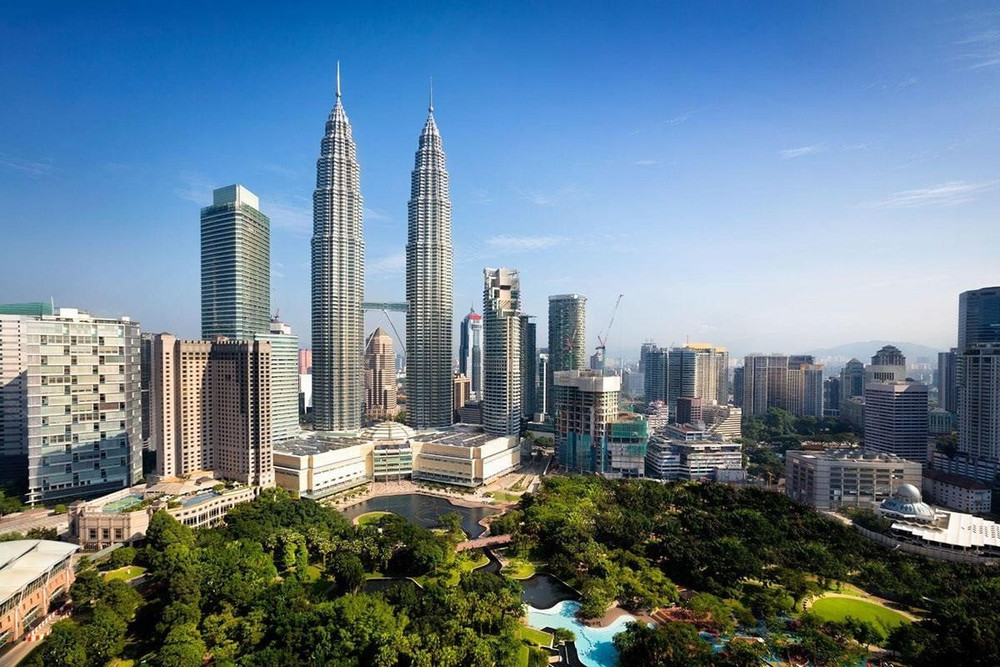
As global debates over diversity, equity and inclusion (DEI) grow louder — especially in the US — many organisations are beginning to question whether these initiatives still matter. But in Malaysia, the conversation takes on a very different meaning. DEI is not a political dispute; it is a strategic opportunity. It is a chance to build organisations that reflect our rich multicultural society and unlock the collective intelligence needed to deliver on national priorities, including Malaysia’s transition toward a sustainable, circular economy.
As 2025 draws to a close, the accelerating breach of planetary boundaries is creating risks at a scale businesses can no longer ignore. Environmental pressure, resource strain and climate volatility are converging faster than expected, signalling a clear message: Malaysian organisations must gear up for a future where sustainability and inclusion are not optional, but essential for long-term resilience and survival.
Malaysia is at a defining moment. With the government’s circular economy road map gaining momentum, companies are required to rethink how they operate, innovate and collaborate. This shift is not just technological. It demands a human-centred transformation — one that draws insight from across the socioeconomic spectrum, from B40 communities to T20 leadership.
This is where the real value of DEI emerges.
DEI as a strategic driver for Malaysia’s next phase of growth
DEI in Malaysia is not about corporate sensitivity. It is about helping organisations thrive amid cultural, economic and generational diversity. Our workforce mirrors the nation: Malays, Chinese, Indians, Sabahans, Sarawakians, Orang Asli communities, migrant workers and expatriates working side by side. When companies harness this diversity intentionally, they gain broader perspectives, stronger problem-solving capacity and greater resilience.
Yet, Malaysia faces a persistent challenge: high power distance. Hierarchy still dictates who speaks and who decides. While respect remains a cultural value, this mindset can silence critical insights — especially from lower-income groups or junior employees. Left unchecked, it becomes a barrier to innovation and cross-community collaboration.
Addressing this does not mean erasing hierarchy. It means creating equal-field environments where a B40 frontline worker, an M20 supervisor and a T20 executive can contribute ideas with equal legitimacy. This cultural shift is essential for Malaysia’s circular economy goals, which cannot be achieved through top-down directives alone. Real solutions must come from the people closest to the work, resources and communities.
Inclusion as the engine of circular economy innovation
Malaysia’s circular economy ambitions call for rethinking waste, resource flows, production cycles and community impact. The companies leading this transition will be those that embrace diverse perspectives, particularly from groups experiencing environmental or economic vulnerabilities first-hand.
A factory engineer may design a waste-reduction process, but it is often the line workers — many from B40 households — who know where inefficiencies occur or where materials are lost. Without psychological safety and inclusion, those insights remain untapped and sustainability goals stall.
Similarly, involving women, indigenous communities, migrant workers and multigenerational teams enriches decision-making and builds trust — ensuring strategies are grounded, realistic and community-sensitive.
DEI, in this context, is an innovation engine.
Malaysia’s moment: Turning inclusion into competitive advantage
Global shifts in environmental, social and governance (ESG) expectations present Malaysian companies with a new opportunity. Investors, consumers and international partners increasingly evaluate businesses on how they integrate diverse perspectives into sustainability and governance.
This allows Malaysian firms to craft a powerful narrative: “Here is how we support Malaysia’s circular economy — and here is how diverse voices shaped our decisions.”
Such stories can become Malaysia’s strategic advantage. They highlight how multiculturalism, when managed intentionally, becomes a source of creativity and competitive strength. They also reflect a broader shift from profit-only models to a vision of shared prosperity aligned with Malaysia Madani.
The path forward: Equal-field collaboration
For DEI to fulfil its potential, organisations must embed inclusion into everyday leadership and operations:
Malaysia’s circular economy journey will succeed only if Malaysians — across all socioeconomic and cultural backgrounds — work together on equal footing.
Conclusion: Malaysia’s sustainable advantage
If Malaysia can reduce high power distance and unlock perspectives across its communities, it can become a global model for how inclusion accelerates sustainability and economic growth. This is not merely a management trend — it is a national transformation.
The future belongs to Malaysian enterprises that integrate people, planet and prosperity as one narrative. At the heart of that transformation is DEI — not as compliance, but as a catalyst for circular economy success and shared prosperity for all.
Source: The Edge Malaysia
Share:

<p>Time: November 2025<br /> By: WTO and International Trade Group, Legal Department – VCCI</p>
