

The threat of US reciprocal tariffs weighing on ASEAN economies has eased considerably following new exemptions granted to Malaysia, Thailand, Vietnam, and Cambodia during US President Donald Trump’s recent Asia-Pacific visit.
According to CGS International, Malaysia emerged as one of the biggest beneficiaries, with over 60% of its export products to the United States now exempted from reciprocal tariffs. Thailand and Vietnam also secured substantial relief, with exemption coverage of 43% and 44%, respectively.
The exemptions were part of a broader arrangement announced on 26 October 2025, when the four ASEAN nations were designated as “Aligned Partners” under an agreement that offers preferential market access for US goods, reduced tariffs for American products, and new commercial deals involving items such as liquefied natural gas (LNG) and airplanes.
Tariff Exposure Drops, But Risks Remain
CGS International noted that the additional exemptions significantly lower the risk of tariffs hurting GDP growth among affected ASEAN nations. Malaysia’s direct exposure to the US reciprocal tariff has now fallen to single-digit levels, while Vietnam — despite the relief — remains the most exposed due to its export-heavy economy, with tariff-linked output still equivalent to 16.1% of GDP.
Indonesia and Singapore, though not part of the recent exemptions, face limited direct exposure thanks to their more diversified trade structures.
However, CGS International cautioned that the reduction in tariffs for US goods could increase imports, potentially widening trade deficits and adding pressure to local industries. The firm warned that this could impact the current account balances of some ASEAN economies, even as exporters benefit from improved access to the US market.
Gradual Adjustments and Policy Flexibility
The research house noted that the US has agreed to phase in tariff changes gradually, allowing ASEAN members time to adjust. It also highlighted a commitment by Washington to provide “special consideration” to the four partner nations in the event of future tariff hikes — though this still falls short of the full immunity status granted to major US allies like the European Union and Japan.
CGS International added that the strong presence of US multinational companies operating within ASEAN should also act as a buffer against any sudden tariff escalation, given that such firms often qualify for exemptions under US trade policy.
Shifting Strategies to Cushion Impact
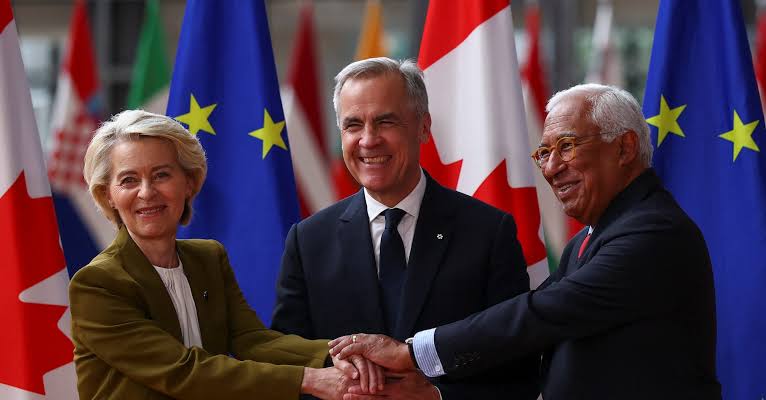
To counterbalance potential downsides, ASEAN economies are already moving to diversify trade and strengthen domestic growth drivers. Several countries are negotiating new free trade agreements, including bilateral deals with the European Union, while others are boosting investment incentives, cash assistance programmes, and tourism initiatives to reduce external dependency.
“While tariff risks have not been completely eliminated, the latest exemptions and ongoing economic diversification efforts suggest that the region is better positioned to weather trade shocks than earlier feared,” CGS International said in its analysis.
In summary, the reciprocal tariff may be “losing its bite” across ASEAN, with Malaysia’s strong exemption coverage and Vietnam’s resilience marking a turning point in the region’s trade outlook — though policymakers will still need to balance new import pressures with export gains in the months ahead.
Source: Business Today
Share:

<p>Time: November 2025<br /> By: WTO and International Trade Group, Legal Department – VCCI</p>
