

Malaysia is tightening regulations governing the export of sensitive high-tech items — known as dual-use technology — amid concerns over a possible expansion of US trade restrictions.
Dual-use goods refer to products, software, or technologies that can be used for both civilian and military purposes.
As the world's sixth largest exporter of semiconductors, commanding 13% of the global market for semiconductor packaging, assembly and testing, Malaysia is a critical player in the global supply chain. This sector currently contributes about 40% to the nation's total exports.
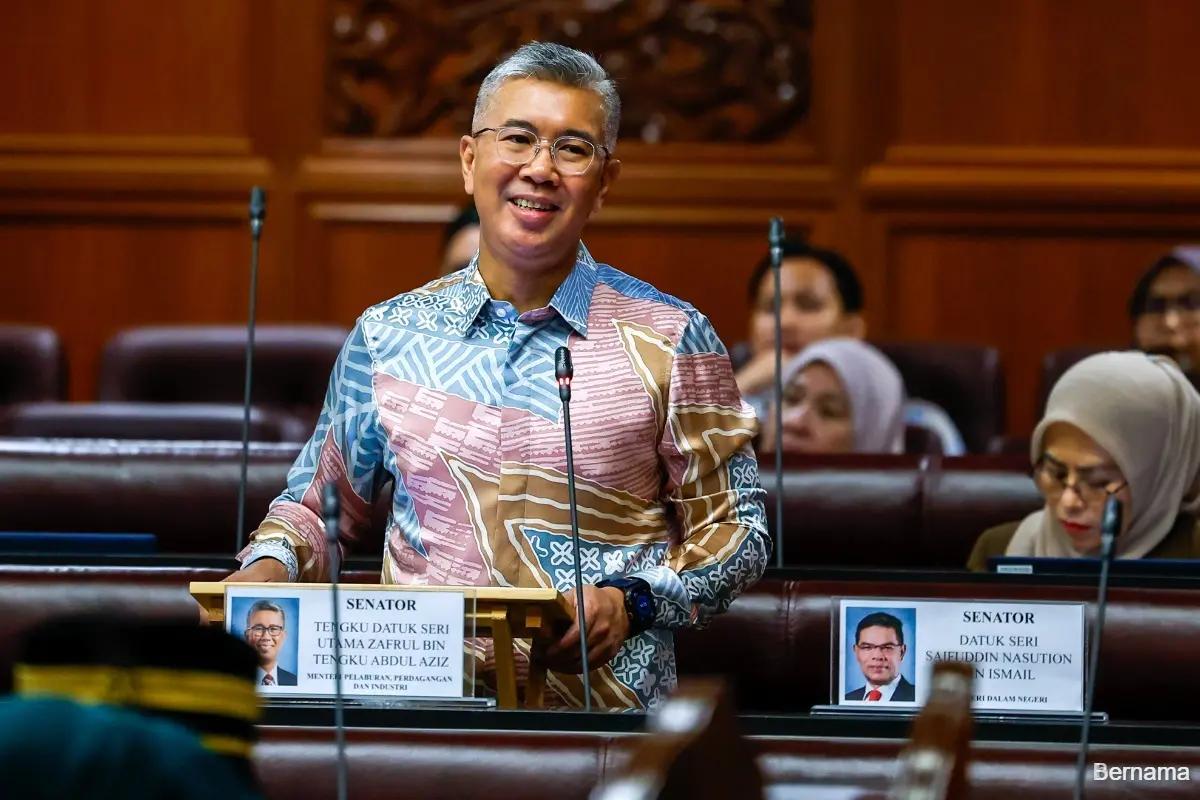
“We are using the Strategic Trade Act (STA) 2010 to enhance regulatory control on dual-use items,” Investment, Trade and Industry Minister Tengku Datuk Seri Zafrul Abdul Aziz told the Dewan Rakyat on Thursday.
He was responding to a question from Ahmad Tarmizi Sulaiman (Perikatan Nasional–Sik), who had inquired about the government’s actions as the US considers imposing tariffs and restrictions on dual-use items.
Zafrul said tightening regulations on dual-use exports could help ease concerns about the potential misuse of such technologies exported to certain countries, particularly during ongoing discussions with the US.
Malaysia is expected to sign a reciprocal tariff deal with the US at the Asean Summit next week, while talks are ongoing with Washington on potential sectoral tariffs targeting certain industries.
However, Zafrul stressed that the tighter export controls apply to all nations and are not targeted at any particular country. He added that while companies may face higher compliance and bureaucratic requirements, the enhanced oversight is not expected to affect Malaysia’s overall export performance.
Malaysia is closely monitoring the potential impact of sectoral tariffs proposed by the US, he said. These include duties as high as 300% on semiconductor exports, 100% on certain pharmaceutical products, and substantial tariffs on upholstered furniture and kitchen cabinet products.
The US remains a vital market for these targeted industries, especially furniture, kitchen cabinets and pharmaceuticals.
Zafrul said his ministry is formulating mitigation measures, including a review of trade and investment strategies, to safeguard local industries.
Key initiatives include diversifying export markets via Malaysia’s existing bilateral and free trade agreements, expanding access to new regions, and strengthening local industries to boost production capacity and adapt to technological changes.
Miti is also monitoring the risk of import dumping that could arise from trade diversions as higher US tariffs make its market less attractive to global exporters, he said.
Source: The Edge Malaysia
Share:
<p>Time: November 2025<br /> By: WTO and International Trade Group, Legal Department – VCCI</p>
