

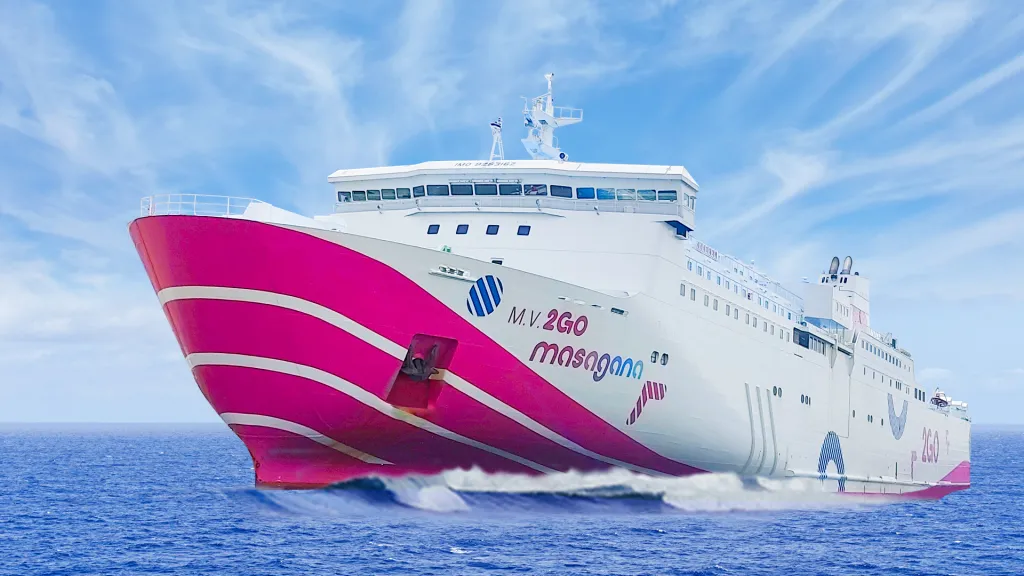
Shipping has always been the country’s silent engine — the unseen force that keeps the Philippine economy moving.
It carries the goods that fill our stores, links islands that fuel our industries, and keeps communities connected from Luzon to Mindanao. Whether it’s a car in a Cebu showroom, fresh tuna bound for Manila, or steel beams for a project in Davao, nearly everything Filipinos use has sailed across Philippine waters first.
Maritime logistics remains the backbone of national trade and supply chains. From food and medicine to appliances and agricultural produce, shipping ensures that essential goods reach every home and business. It is the bridge that turns local industries into national networks — and without it, the economy would grind to a halt.
But moving goods across more than 7,000 islands comes with challenges. Shipping companies navigate not just the seas, but also rising fuel costs, port congestion, and infrastructure gaps that make inter-island connectivity complex and costly. Yet through innovation, collaboration, and resilience, the industry continues to adapt — proof of its indispensable role in the country’s multimodal logistics ecosystem.
“Shipping carries the lifeblood of our economy. Everyday goods in our homes traveled by sea first. This lifeline deserves greater attention and support, especially from stakeholders who recognize its role in keeping trade and communities moving,” said Mark Matthew F. Parco, President of the Philippine Liner Shipping Association (PLSA) and the Philippine Interisland Shipping Association (PISA).
For 2GO Group, Inc. — the country’s largest end-to-end logistics and transportation solutions provider — strengthening maritime logistics means empowering growth across all fronts. “Maritime shipping remains the most sustainable way to connect islands and move goods over long distances. By integrating services and maximizing efficiencies, we help reduce the overall footprint of logistics while keeping costs manageable for businesses and consumers alike,” said Will Howell, COO & CFO of 2GO Group, Inc.
2GO’s scale underscores its critical role: moving around 5,000 twenty-foot equivalent units (TEUs) of cargo and transporting 23,000 passengers every week. Its fleet of ROPAX vessels — carrying both goods and travelers — connects families, supports entrepreneurs, and fuels industries across Luzon, Visayas, and Mindanao.
Though often unnoticed, the shipping industry is the country’s lifeline — powering commerce, connecting communities, and sustaining livelihoods. 2GO remains steadfast in its mission to deliver efficient, sustainable, and accessible logistics solutions that keep the Philippine economy afloat. But to keep this lifeline strong, collaboration is key. Businesses, government, and stakeholders must continue working together to build a resilient, future-ready maritime network that keeps the Philippines moving — one voyage at a time.
Source: The Chronicle
Share:


<p>Time: November 2025<br /> By: WTO and International Trade Group, Legal Department – VCCI</p>
