

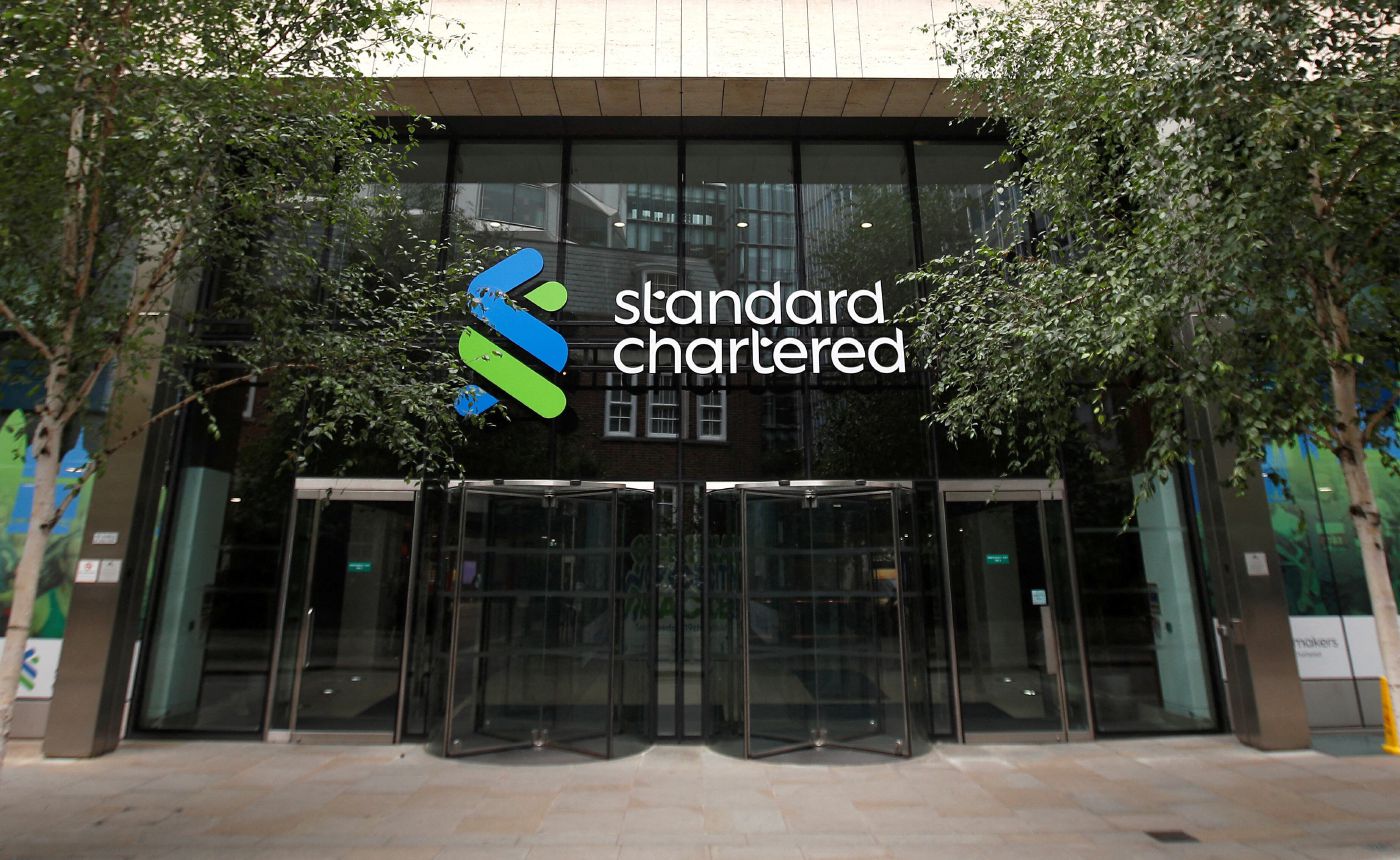
Malaysia has emerged as the region's star performer in global trade, according to Standard Chartered (StanChart).
In its "Future of Trade: Resilience" report, StanChart said more than 35 per cent of international corporations plan to increase or maintain trade activities with Malaysia.
The study, which surveyed 1,200 C-suite and senior leaders from global corporations on their trade outlook and strategies over the next three to five years, revealed that Asean is set to play a bigger role in global trade realignment.
Malaysia ranked second only to India as the top market of choice for sourcing, manufacturing and exports.
Notably, over half of corporates from China and the United States, Malaysia's first and third largest trading partners respectively, have expressed interest in trading with and manufacturing in the country.
Within Asean, Malaysia is also seen as central to strengthening trade corridors.
Respondents from Thailand and Indonesia are considering sourcing more from Malaysia, while the Philippines and Vietnam plan to expand exports to the market.
Singapore corporates are also eyeing Malaysia for manufacturing facilities.
This is drawn by initiatives such as the Johor-Singapore Special Economic Zone that aims to streamline bilateral trade and investment in sectors including manufacturing, logistics and technology.
The report also highlighted cost pressures arising from macroeconomic and geopolitical developments.
Eighty per cent of Malaysian respondents expect overall goods costs to rise by between 10 and 19 per cent in the medium term, StanChart said.
To mitigate these challenges, 78 per cent of corporates in Malaysia are looking to ramp up digitalisation efforts, while 70 per cent and 64 per cent plan to realign supply chains geographically and adjust treasury management strategies respectively.
Standard Chartered Malaysia chief executive officer Mak Joon Nien said geopolitical conflict remains the most pressing issue shaping the future of trade, cited by 76 per cent of Malaysian corporates surveyed.
This was followed by trade tariffs (62 per cent) and emerging technologies (58 per cent).
"These findings paint a complex yet compelling future for trade as corporates navigate around the fact that the same trends that threaten to disrupt operations can also be opportunities in shaping global trade," he said in a statement today.
StanChart said corporates are placing greater emphasis on banking partners that can connect them with vendors and facilitate cross-border supply chain shifts.
Source: New Straits Times
Share:


<p>Time: November 2025<br /> By: WTO and International Trade Group, Legal Department – VCCI</p>
