

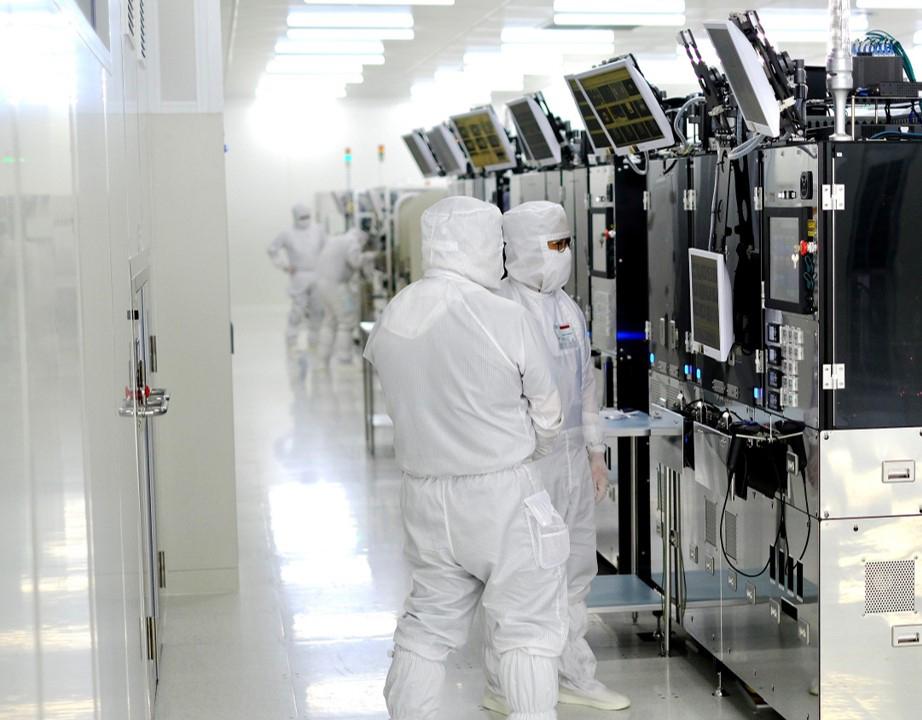
With the US tariff rate settled, Thailand needs to expedite structural economic reforms.
Although Thai businesses are relieved the US has reduced its import tariff on Thai goods to 19%, on par with other countries in the region, improving long-term competitiveness remains a challenge for domestic firms, in addition to attracting foreign investment.
Finance Minister Pichai Chunhavajira recently said regardless of US tariff levels, Thailand should expedite structural economic reforms.
Mr Pichai said the country must transform into a technologically advanced nation to achieve GDP growth of more than 3% in the long term. Without action, Thai GDP growth may only reach 2.2%, he warned.
Nonarit Bisonyabut, a research fellow at Thailand Development Research Institute, said the reciprocal tariff policy initiated by US President Donald Trump has made the global economic pie smaller.
He said Thailand needs to adapt and become more competitive, stop supporting inefficient sectors, liberalise the service sector, and attract artificial intelligence (AI) and digital industries to the country.
"The Trump tariffs shrink the global economy, decrease trade, and a could lead to a decline in global foreign direct investment. When these three components shrink, it means nations must become more capable," said Mr Nonarit.
"When the economic pie is large, it's easier to share. Now that the pie is shrinking, we need to return to our fundamentals, especially competitiveness. We must produce goods that are in demand and enhance our technological capabilities. Our children must become more skilled, and we need to tap into new markets."
First of all, the government must admit that subsidising some parts of the economy such as agriculture may be inefficient, he said.
State assistance must be changed and free financial grants need to be shifted to measures that improve productivity and increase the use of technology, said Mr Nonarit.
Thailand must pivot towards industries that are more skill-intensive, meaning labour-intensive industries will no longer be sustainable in the country, he said.
As for the service sector, Mr Nonarit said it is time to allow more competition, raise standards and eliminate domestic monopolies, opening up opportunities for small players to better compete in the market.
Regarding investment promotion via the Board of Investment (BoI), which is performing well, he said the BoI needs to develop further, especially in terms of target industries.
Mr Nonarit said the BoI must accelerate investment in AI and various digital industries.
"We must figure out how to make such industries flourish in Thailand and ensure a long supply chain. This means going beyond the BoI's broad-based privileges -- we need tailored, specific incentives for individual businesses," he said.
"If we want to become a trading nation or a transshipment hub, even with tensions between China and the US, we can still bring goods to be warehoused in Thailand, establishing a global trade centre."
For example, if Thailand wants to become a centre for equipment repair, the country needs to create policies that allow imported equipment to be warehoused here temporarily without taxation, said Mr Nonarit.
The country must realise that various industries have different needs and require tailored policies to encourage development here, he said.
Source: Bangkok Post
Share:

<p>Time: November 2025<br /> By: WTO and International Trade Group, Legal Department – VCCI</p>
