

PM Narendra Modi, while addressing 10 Asean leaders, on Sunday welcomed the decision to have a relook at the free-trade agreement between India and the 10-member grouping. Last month, India and Asean initiated a review of the free-trade agreement.
China and Thailand on Tuesday pledged to expand cooperation in various areas and work together to facilitate trade and investment to boost regional connectivity and build a more open world economy.
Thai firm WHA Utilities and Power Plc has acquired a 34 percent stake in the Duong River Surface Water plant JSC. The sale of shares in northern Vietnam’s largest water treatment plant was worth VND2.07 trillion ($89.35 million). It was completed on October 25, according to a recent online statement released by WHA Utilities and Power Plc (WHAUP).
Lao Prime Minister Thongloun Sisoulith’s official visit to Vietnam from October 1-3 created a new impetus for the bilateral friendship, solidarity and cooperation.
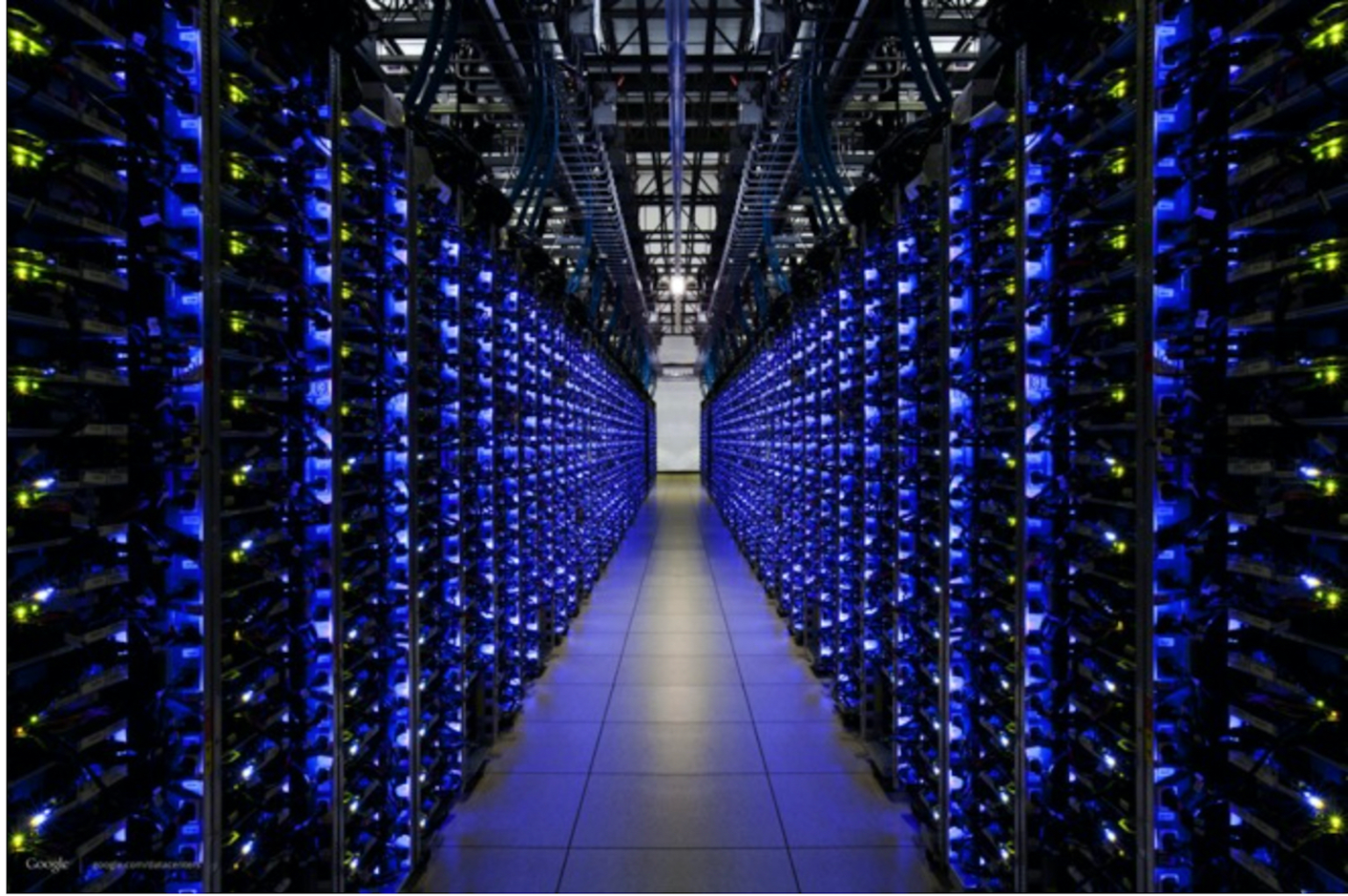
In 2016, Google and Singaporean investment firm Temasek launched a multi-year research program to delve into the internet economies of Southeast Asia.
Participating countries have concluded negotiations for all 20 chapters and essentially all market access issue.
The signing of the world’s largest trade pact will likely be kicked back to 2020, according to a draft statement by Southeast Asian leaders, delaying a deal craved by China as it seeks to temper the fallout from a painful tariff war with the US.
Philippine manufacturing growth outpaced most of the region anew in October, the most recent Purchasing Managers Index (PMI) data showed. Manufacturers, however, showed weaker optimism for the coming months as the rest of the region’s manufacturing sector slumps.

<p>Time: November 2025<br /> By: WTO and International Trade Group, Legal Department – VCCI</p>
