

THE Japanese government will launch a subsidy programme to encourage domestic manufacturers to transfer their overseas production bases to Asean countries.
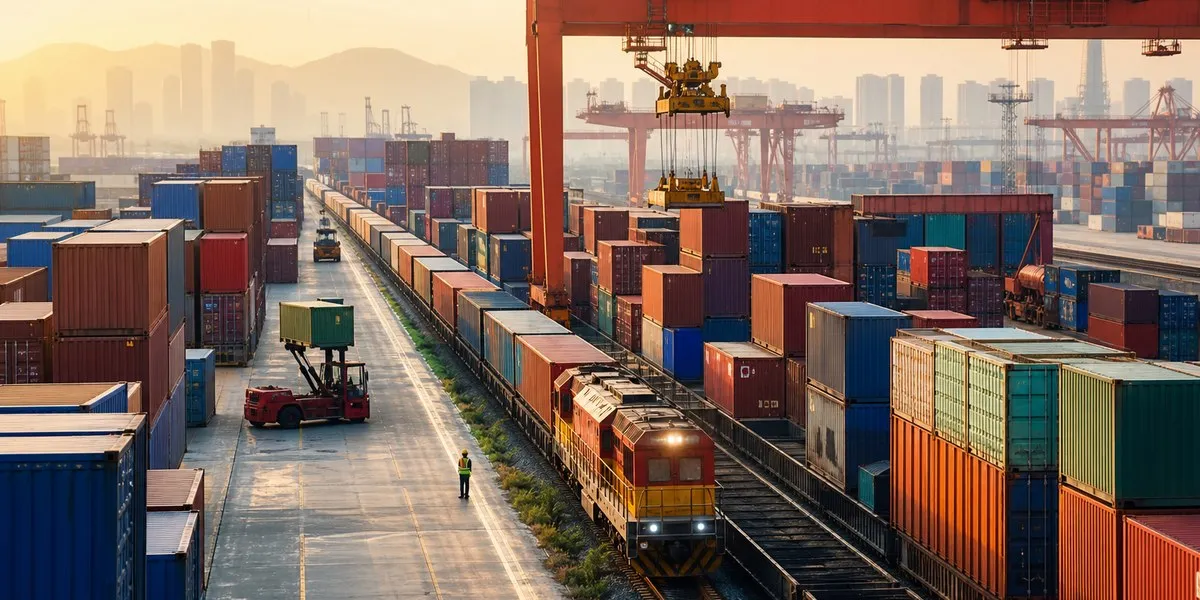
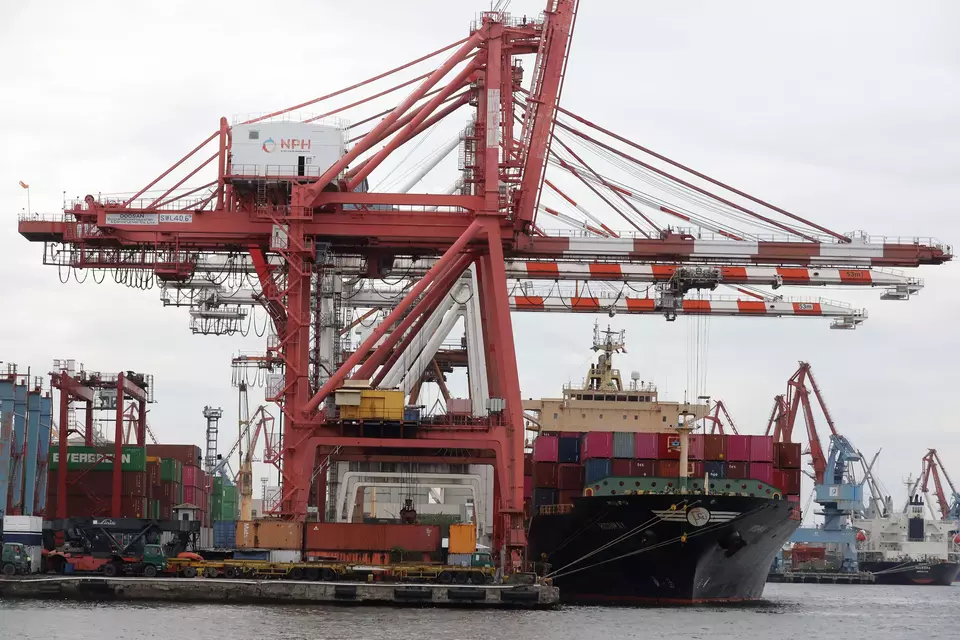
The Philippines’ Bureau of Customs (BOC) is rolling out the electronic tracking of containerised cargo (E-TRACC) system in various ports nationwide next month as part of efforts to automate operations and processes towards enhanced trade facilitation and strengthened border protection.
The initial instinctive reaction to the COVID-19 crisis by most countries was to look inwards and act alone. As a result, borders have closed, supply chains have been disrupted, and regional economic activity has fallen.
Japan will launch a subsidy programme to encourage domestic manufacturers to transfer their overseas production bases to Southeast Asia, as the coronavirus pandemic has greatly disrupted their supply chains heavily dependent on China.
Tourism ministers of the 10 member states of the Association of Southeast Asian Nations (ASEAN) agreed on Wednesday to deepen tourism cooperation so as to mitigate the effects of Covid-19 on the sector.
The Regional Comprehensive Economic Partnership (RCEP) remains on track to be signed by the end of 2020, said Singapore’s Trade and Industry Minister Chan Chun Sing on May 3.
Thailand loses duty free access for 42.2 billion baht in exports to the US market from today, 6 months after Washington warned it would pull back on trade privileges unless the kingdom committed to labour rights reforms. Once trade preferences for Thai products are removed they are subject to tax of between 4% and 5%, making them more expensive in the lucrative US market.
The European Union has announced that it is mobilizing €350 million (US$ 378 million) to assist Southeast Asian countries in the battle against COVID-19.
<p>Time: November 2025<br /> By: WTO and International Trade Group, Legal Department – VCCI</p>
