

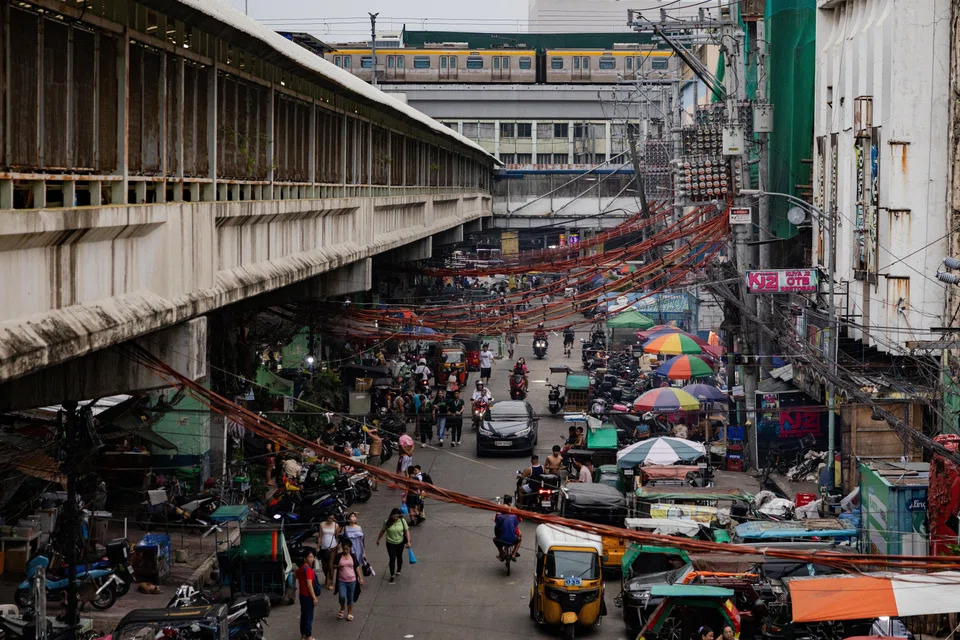
About eight million Filipinos would go jobless as the pandemic rages and while the Philippine economy reels from the most stringent lockdown in the region, slow disease containment and an influx of returning migrant workers, according to Malaysian financial giant Maybank.
The coronavirus crisis has severely affected livelihoods, local industries and the economy in general.
Thailand's cross-border trade fell by 9.7% year-on-year in the first five months of 2020 as the coronavirus ravaged the global economy and led neighbouring countries to close nearly all border checkpoints.
The Thai government has issued stimulus packages worth 22.4 billion baht (US$718 million) to revitalize its tourism industry. The packages are aimed at boosting domestic travel by subsidizing hotel accommodation, airline tickets, and facilities in tourist destinations around the country. International visitors contribute some US$64 billion to the economy annualy but foreign arrivals could tumble by 65 percent in 2020 because of the pandemic.
South Korea and Cambodia agreed Thursday to launch official negotiations for a bilateral free trade agreement (FTA), paving the way for Asia's No. 4 economy to penetrate deeper into the Southeast Asian market and boost its virus-hit exports.
Chairman of the Indonesia Food and Beverage Industry Association (GAPMMI) Adhi Lukman has expressed his belief that the Regional Comprehensive Economic Partnership (RCEP) agreement will be signed this year, regardless of the COVID-19 pandemic.
The Cambodian Government has been devising new measures and strategies to revive the economy amid the COVID-19 pandemic.
Japanese companies operating in Indonesia will stick to their future investment plans, despite declines in sales and production due to the COVID-19 pandemic, a survey conducted by the Japan External Trade Organization (JETRO) has shown.

<p>Time: November 2025<br /> By: WTO and International Trade Group, Legal Department – VCCI</p>
