

The government will carry out economic reforms from now until 2025 to ensure sustainable and quality growth of Gross Domestic Product (GDP).
The Regional Comprehensive Economic Partnership (RCEP) Agreement comprises 20 chapters with commitments covering goods, services, investment, intellectual property rights, competition, trade remedies, standards, e-commerce and dispute settlement. Many of these chapters were not included in the underlying ASEAN+1 agreements that formed the original core of RCEP. This to some extent explains why it took RCEP negotiators as long as eight years to reach its signing on November 15, 2020.
Singapore is planning to sign a free trade agreement next year with the Pacific Alliance - which consists of Chile, Colombia, Mexico and Peru - after making significant progress on it.
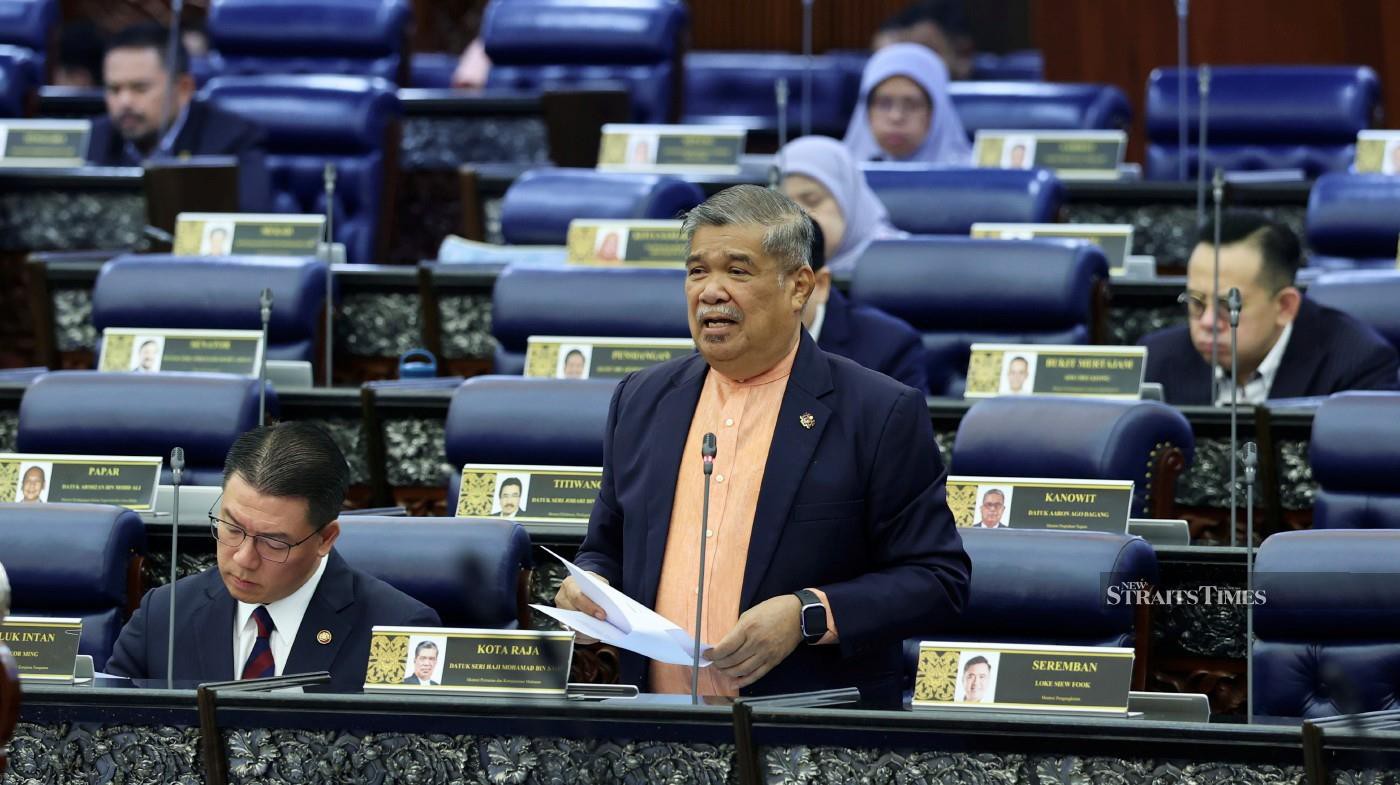
The 12th Malaysia Plan (12MP) will focus on creating a number of new economic sectors and accelerating the development of high growth industries, Minister in the Prime Minister's Department (Economy) Mustapa Mohamed said at a forum held on December 10.
Indonesia should establish closer bilateral cooperation with other countries, including the UAE, for post-pandemic recovery, said Indonesian Coordinating Maritime Affairs and Investment Minister Luhut Binsar Pandjaitan.
With the success of the ASEAN Chairmanship Year 2020, Vietnam is not only an active ASEAN member but also a strong, trustworthy and special mainstay, especially at a time when ASEAN has to face challenges like COVID-19 pandemic at present, said Prime Minister Nguyen Xuan Phuc.
Deal is a boost for Boris Johnson as talks with EU on future relationship go to the wire
In fewer than 20 days the Cambodia-China Free-Trade Agreement (CC-FTA) comes into force after both countries signed the deal on Oct 12 during a two-day state visit by China’s Foreign Minister Wang Yi in Phnom Penh.

<p>Time: November 2025<br /> By: WTO and International Trade Group, Legal Department – VCCI</p>
