

Indonesia and the Republic of Korea on December 18 inked their Comprehensive Economic Partnership Agreement (IK-CEPA) in Seoul.
Singapore’s resident employment staged a strong rebound in the third quarter of 2020, lifting resident employment levels to near pre-pandemic levels, according to the Ministry of Manpower (MOM).
The Embassy of Vietnam in Myanmar on December 17 hosted a webinar on “Foreign Investments in Myanmar in the Context of COVID-19 Pandemic”, bringing together officials from both countries.
The central bank of Thailand (BoT) said on December 17 it did not see a big impact on foreign trade and investment from being put on a US currency watch list.
Cambodia's economy is projected to contract 2 percent in 2020 but recover to a four percent growth next year, the World Bank forecast in its latest economic update for Cambodia entitled Restrained Recovery.
The Vietnam Malaysia Business Association (VMBIZ) and Malaysia’s Blue Ocean Capital Group Berhad (BOCGB) signed a Memorandum of Understanding (MoU) on December 20 to bolster collaboration and exchange between enterprises of both nations.
South Korea formally inked a comprehensive trade deal with Indonesia on Friday, paving the way for local exporters to penetrate deeper into the Southeast Asian market.
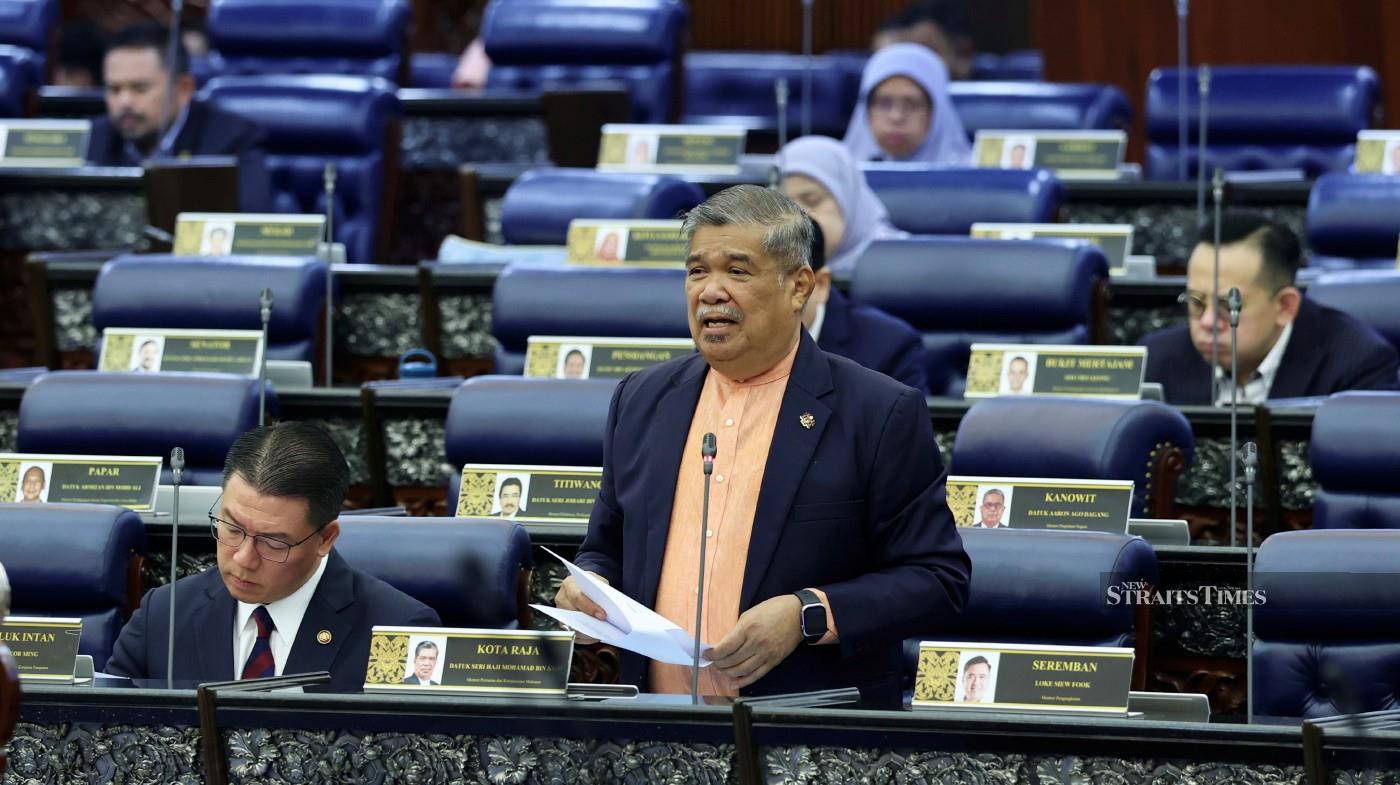
Malaysia will benefit from its participation in the Regional Comprehensive Economic Partnership Agreement (RCEP) as it enhances economic integration and facilitation between ASEAN countries and their dialogue partners, namely China, Japan, the Republic of Koreas, Australia, and New Zealand.

<p>Time: November 2025<br /> By: WTO and International Trade Group, Legal Department – VCCI</p>
