

China Free Trade Area (ACFTA) is one of the largest FTAs in the world, covering one-fourth of the world population, and the building of the 3.0 version of ACFTA actively echoes the development needs of both sides and is line with the trend of global economic development.
The trade bond between China and Thailand is expected to get even closer after the visit of Chinese President Xi Jinping to the nation.
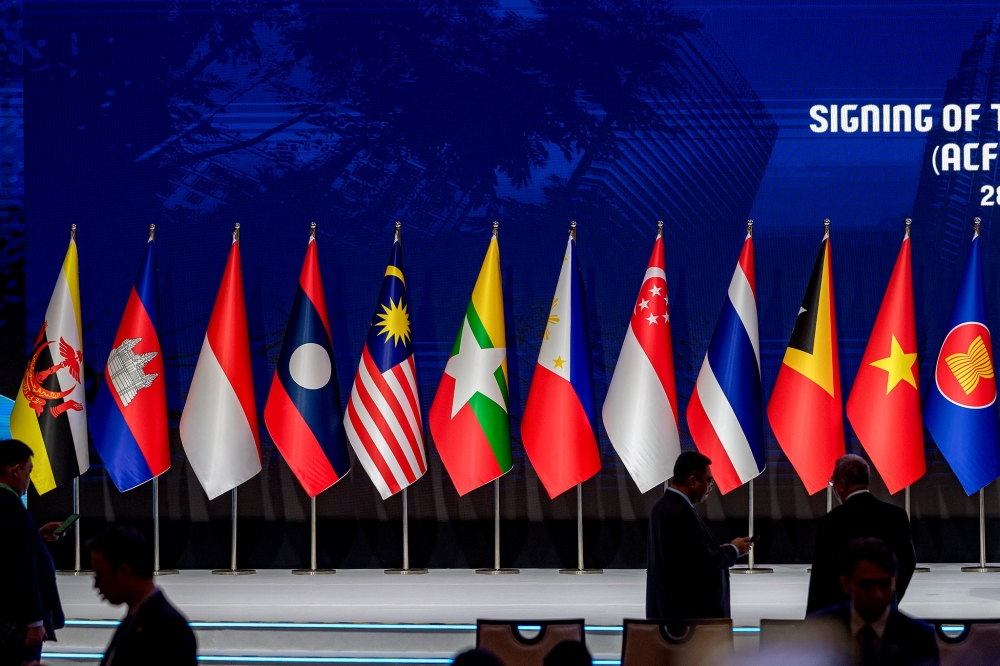
Indonesian President Joko Widodo (Jokowi) has symbolically received the ASEAN chairmanship relay from Cambodian Prime Minister Hun Sen and will become the ASEAN chair in 2023.
Cambodia through its progressive market-based reforms has reaped high dividends courtesy the FTA with ASEAN countries, but that was just the stepping stone.
The bilateral trade between Cambodia and South Korea reached $920 million in ten months of 2022, a year-on-year increase of 16.3 percent, according to a report from the Korea International Trade Association (KITA).
Despite the complex international environment and rising global uncertainties, trade between China and ASEAN continues to grow, reflecting the strong bond between the two sides and facilitating regional economic and social development.
ASEAN and China are in one of the most promising regions in the world, Shi Zhongjun, secretary-general of the ASEAN-China Centre (ACC).
Singapore and France have enjoyed a long history of bilateral relations, with France being one of thirteen countries to recognize Singapore’s independence in 1965. Since then, bilateral trade has steadily grown, reaching over US$15 billion in 2021.
<p>Time: November 2025<br /> By: WTO and International Trade Group, Legal Department – VCCI</p>
