

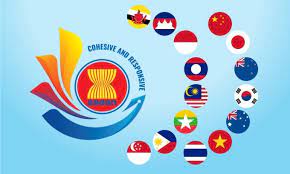
The Philippine Exporters Confederation Inc. (Philexport) is calling for the immediate ratification of the Regional Comprehensive Economic Partnership (RCEP), noting that participation in the mega trade deal will hasten the recovery of the country's economy.
In a position letter to the Senate, Philexport said participating in the RCEP has more benefits than disadvantages, even as it called for "safety nets" to cushion the adverse effects of the deal on disadvantaged sectors.
Philexport President Sergio Ortiz-Luis Jr. said that of its over 2,000 active members of the organization, nearly 1,000 are exporting to economies that are now part of RCEP.
"The opening and expansion of market access to the member economies will create positive ripple effects, which can result to employment and livelihood, much needed especially now as we try to recover from and thrive again in this pandemic," said Luis in the position letter sent to Senator Aquilino Pimentel 3rd, chairman of the Senate Committee on Foreign Relations.
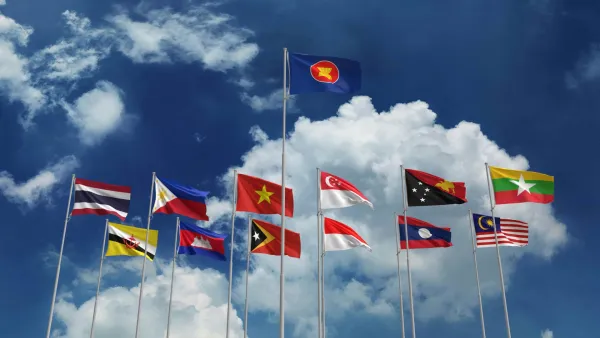
The RCEP is a free trade agreement between the 10-member Association of Southeast Asian Nations (Asean), China, Japan, Australia, New Zealand, and South Korea
To date, six Asean member-states (AMS) and five Asean free trade partners (AFPs) have deposited their respective instruments of ratification.
The agreement is set to take effect by January.
The Senate has yet to concur with the ratification of the trade deal, a prerequisite for the country to join the accord.
Luis said RCEP's unique and specific provisions can strengthen the Philippines' interests.
RCEP to boost PH economic recovery
For one, the trade facilitation chapter provides more definitive and predictable commitments from the signatories, while allowing changes when it comes to openness and clearance of goods, he said.
Moreover, exporters will have an easier time to comply with the preferential tariff treatment with the consolidation of the rules of origin in Asean.
The economic impacts of services sector liberalization and trade facilitation improvement in RCEP are much more significant than the tariff reduction offered in other free trade agreements (FTAs), he added.
Luis said several RCEP provisions, such as those on e-commerce, government procurement, and competition, are not found in other FTAs.
He said however that while there are sector "winners," there may also be sector "losers," especially during the early stages of the RCEP implementation.
Luis, citing a study released by the United Nations Conference on Trade and Development (UNCTAD), said the Philippines is among those countries that may see lower exports due to RCEP.
Biggest trading bloc
When it enters into force next year, RCEP will create the world's largest trading bloc by economic size and could further boost intraregional exports by $42 billion, according to the UN study.
The new FTA, covering a third of the world economy, will eliminate 90 percent of tariffs among 15 East Asian and Pacific countries.
However, countries like the Philippines, Vietnam, Cambodia and Indonesia could see lower exports due to RCEP tariff concessions, the study said. This is due to the negative trade diversion effects, as some exports of these economies are expected to be diverted to the advantage of other RCEP members because of differences in the magnitude of tariff concessions.
The UN report noted, however, that the overall negative effects for some of the RCEP members don't imply that they would have been better off by remaining outside of the RCEP agreement.
"Even without considering the other benefits of the RCEP agreement besides tariff concessions, the trade creation effects associated with participation in RCEP softens the negative trade diversion effects," the report stated.
Luis said that for the sectors deemed to be disadvantaged and less competitive, "we urge the Senate to consider enacting separate bespoke legislation on certain 'safety nets' to somehow cushion the negative impact of the trade agreement on such sectors."
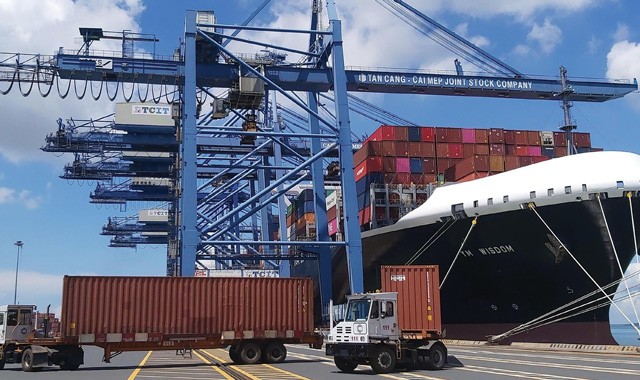
He also appealed to the government to facilitate solutions to issues such as raw material availability, climate change, high cost of logistics particularly shipping, and the high cost and unstable supply of power and internet connectivity.
"These have served as major constraints to maximizing RCEP benefits and in general, from growing MSMEs (micro, small and medium enterprises) and exports. If these issues are not addressed, then there may be a basis for the fear of certain sectors on the 'uneven playing field' where we may experience trade deficits with our RCEP member-economies," he said.
Source: ManilaTimes
Share:
<p>Time: November 2025<br /> By: WTO and International Trade Group, Legal Department – VCCI</p>
