


The gig economy refers to the hiring of independent contractors and short-term workers by businesses. Talents that make up the gig economy are usually called freelancers, gig-workers, independent contractors and free agents.
In recent years, more professionals are joining the gig economy to look for additional income or a change of pace in work.
Technology is enabling gig economy workers to take on extra or freelance work from anywhere in the world. Eyal Moldovan, the general manager of financial services company Payoneer, said that professionals who voluntarily choose to freelance do so for lifestyle reasons because online platforms make it possible for them to work from home.
Companies are also embracing this new work setup and employing freelancers for certain projects. Based on a report by talent outsourcing and consultancy group, KellyOCG, 84 percent of hiring managers in the Asia Pacific outsource to freelancers. These hiring managers use freelancers in their departments to save cost, drive innovation and keep a competitive advantage. The KellyOCG report also found that 43 percent of global organisations who engage these free agents have saved at least 20 percent in labour costs.
According to a 2019 report by Payoneer on the ‘Global Gig Economy Index,’ the Philippines placed sixth in the world as the fastest-growing market for the gig industry, revealing a 35 percent growth in freelance earnings.
Whether it’s the flexible hours, the absence of micromanaging bosses or a desire to build their businesses, the rewards for freelancers includes work flexibility, higher incomes and autonomy. A rising number of freelancers have also created a demand for flexible coworking spaces.
Choosing To Freelance
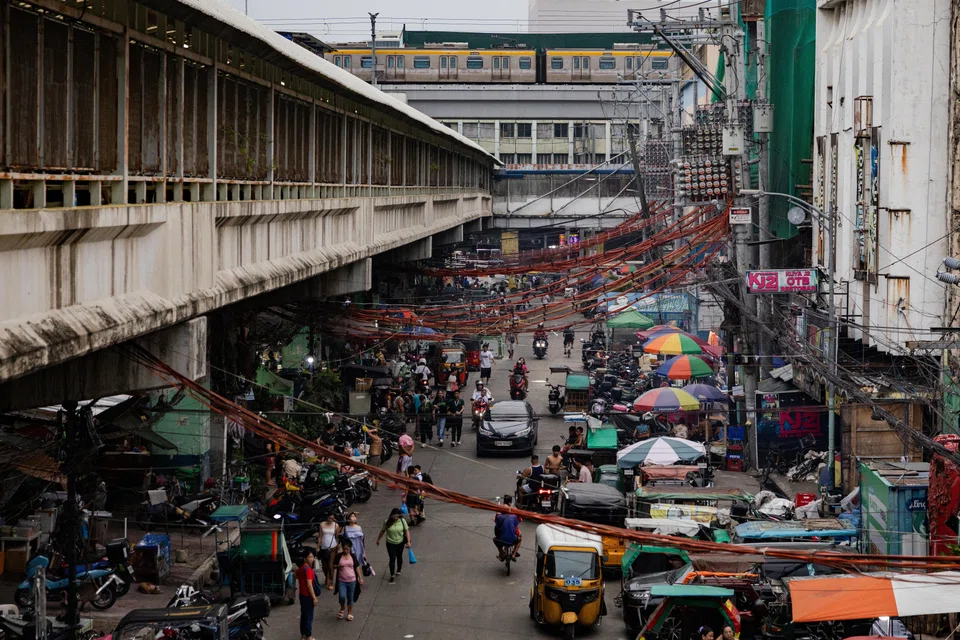
Driven by digital technology and high internet penetration, more Filipinos are choosing to freelance. According to PayPal’s 2018 Global Freelancer Insights Report, at least two percent of the Philippines’ population is said to be freelancers. Some of the many types of work Filipino freelancers are engaged in are data entry/internet research (34 percent), virtual assistance (13 percent) and customer service (eight percent).
PayPal’s survey also revealed that digital platforms provide ease and convenience for freelancers to receive payments from clients overseas.
Filipino freelancers are supported by government initiatives such as the DigitalJobsPH Technical Training which help people find work as digital entrepreneurs and freelancers in the Information Communications Technology (ICT) field. The government recognises the potential of the gig economy to provide meaningful work to rural folks who are otherwise left out in the industrialisation of cities.
Freelancing Can Become Stressful
Even though there are benefits to freelancing, participating in the gig economy comes with its own set of challenges. PayPal’s online survey found that 92 percent of Filipino freelancers said ‘job stability’ is a key concern for their careers. It is hard for freelancers to plan for their futures since they move from contract to contract. To sustain a pipeline, gig-workers freelance for multiple clients, allowing them to anticipate the unpredictability of work and to diversify their income streams.
Source: The Asean Post
Share:
<p>Time: November 2025<br /> By: WTO and International Trade Group, Legal Department – VCCI</p>
