

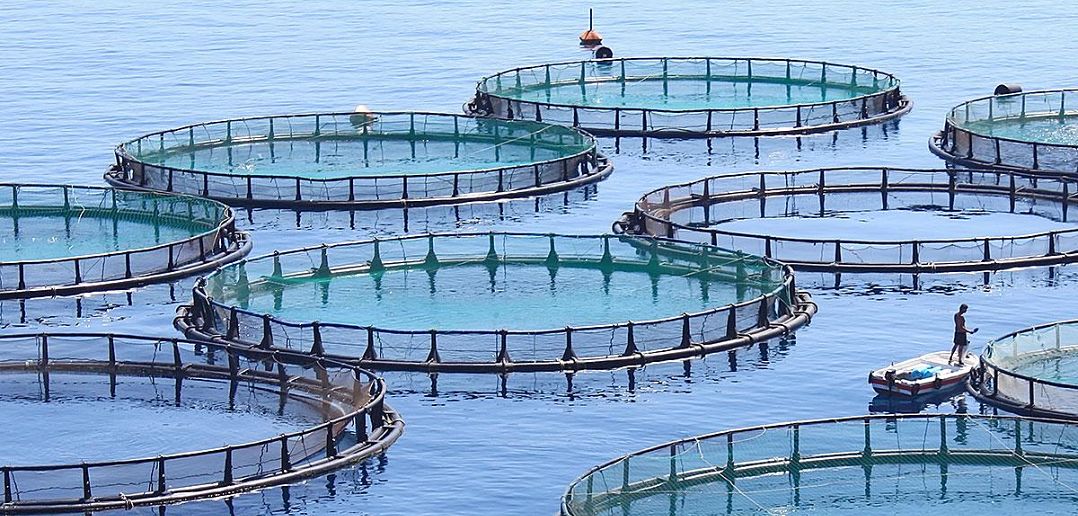
VIENTIANE (Vientiane Times/ANN) – Delegations representing the Singapore government and private sector recently met Lao fisheries authorities to discuss possible investment opportunities, especially the regulations and policies concerning fisheries.
The meetings were the initial stages of enquiry by the Singaporeans and Lao authorities are not sure whether any projects will result from the talks.
Laos has good potential for fish farming because of its many rivers, basins and reservoirs, but foreign investors should first carry out marketing and feasibility studies, Director General of the Department of Livestock and Fisheries under the Ministry of Agriculture and Forestry Somphanh Chanphengxay said.
The Singaporean delegation intimated that if any projects were planned they would seek funding from international finance bodies to involve local people and help create jobs for them.
But Somphanh said that before any investment is made, a project master plan should be submitted to the government.
The Ministry of Agriculture and Forestry is ready to provide support on policy, technical assistance and other aspects, he added.
Fish farming in Laos, particularly of tilapia in the Nam Ngum and Mekong rivers, is slowly expanding and supplies are steady, he said.
About 60 to 70 per cent of people in Vientiane consume tilapia bred in these rivers, while the rest eat fish harvested from fishponds and streams.
The number of Lao river fish farmers is low as they have limited funding and cannot obtain high interest bank loans, but Chinese fish farmers are well established, said Somphanh.
The ministry is overseeing the farming of different types of native and commercial fish. Native fish offer good potential for investors, he added.
But fish farmers and investors have to sink in a lot of capital and bide their time as it takes longer for these species to reach maturity compared to tilapia, meaning investors must wait longer before the fish reach markets.
Fish are an integral part of the lives of rural people in Laos, providing a major part of their animal protein and micro-nutrient intakes, as well as being an important source of secondary income for a large proportion of the population, according to the Mekong River Commission.
Many people are shifting from fish breeding for family consumption to farming and ponds in order to earn more income for their families.
Source: Borneo Bulletin
Share:



<p>Time: November 2025<br /> By: WTO and International Trade Group, Legal Department – VCCI</p>
