

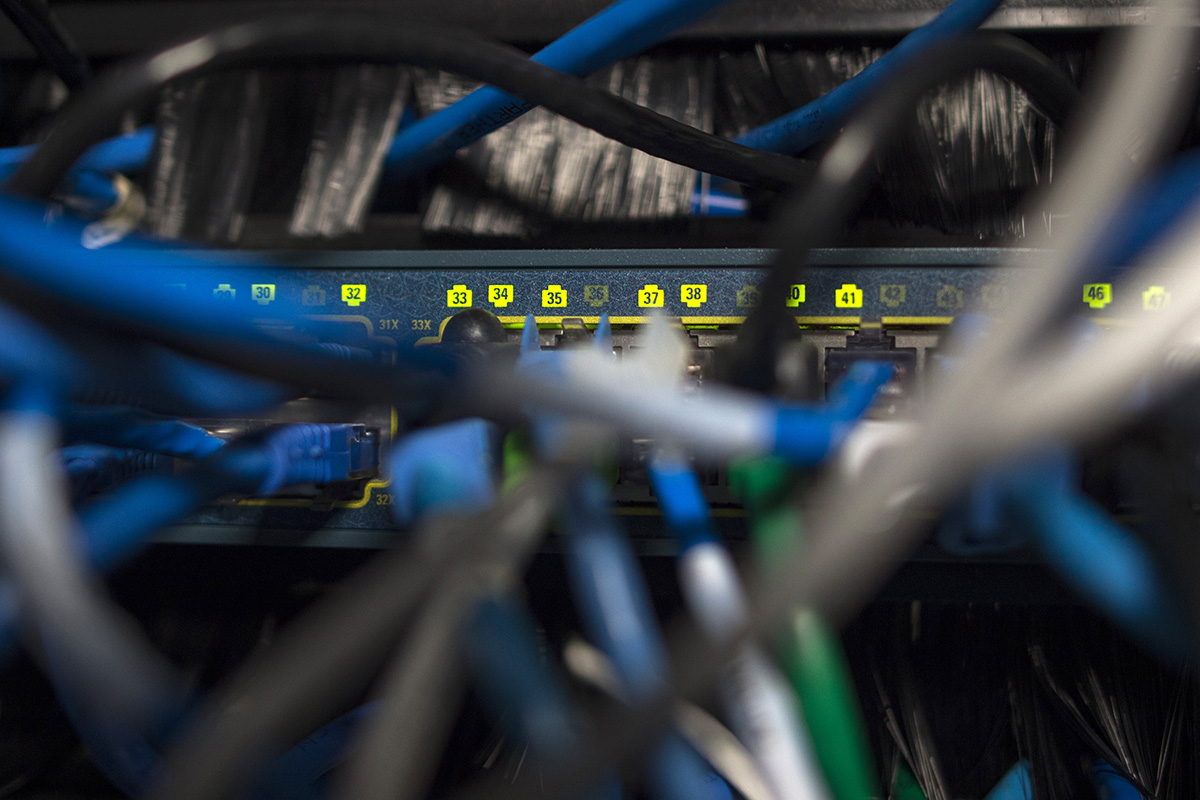
At the ASEAN-Australia Special Summit this month, ASEAN member states and Australia agreed that they will work together on security issues to ensure the safety of the region. With the spectre of terrorism and extremism looming large over the region, both parties will be building greater links in terms of defence. Part of the agreement includes joint efforts to promote cybersecurity within the region.
This could be a great opportunity for the region to build up its cybersecurity forces and exchange knowledge with a country that’s far more advanced than ASEAN is in cybersecurity.
At the moment, Southeast Asian countries are lagging behind when it comes to cybersecurity. In October last year, the personal details of around 46 million mobile subscribers in Malaysia were leaked. The personal details leaked included home addresses, national identification card numbers, and SIM card information. It was reported that the data breach had actually occurred in 2014 but was only found out last year. This is due to the lack of data breach notification laws in the country which would require the company that had its data breached to notify its consumers.
This incident exemplifies how far behind the region is in terms of cybersecurity. Cybersecurity at this juncture of time is particularly necessary as internet penetration in the region is at it’s highest and will continue to grow higher. Hootsuite’s report on Southeast Asia’s digital usage indicates that the region has an internet penetration rate of 58%, meaning that Southeast Asia has more than 370 million internet users.
According to data from American management consulting company, A T Kearney, Southeast Asia isn’t spending enough to protect its citizens from cybersecurity attacks. Despite high levels of growth in the region, the data shows that ASEAN spent an estimated US$1.9 billion in 2017 or a measly 0.06 percent of the region’s GDP on cybersecurity.

With technology advancing faster than ever and embedding itself deeper into our lives, ASEAN needs to realise the importance of cybersecurity. As technology gets embedded more into our daily lives, the more vulnerable we are to exploitation by cyber criminals, unless there is proper protection in place.
One of the biggest threats in cyberspace last year was the emergence of ransomware. Ransomware is a form of digital extortion where attackers use a trojan to gain access to a user’s computer and threatens to publish the victim’s data or perpetually block access to the victim’s computer unless a ransom is paid.
Aside from that, people’s finances could be at risk with internet banking, e-wallets and even cryptocurrency. Without proper security measures in place, people could lose their livelihoods in the event of a cyberattack. Earlier this year, hackers managed to get away with US$440 million in cryptocurrency after hacking a Japanese cryptocurrency exchange.
Perhaps the agreement with Australia could prove to be helpful for ASEAN. Australia launched a national cybersecurity strategy in 2016. While that received a lot of backlash for it’s vague goals, at least an effort has been made. Furthermore, ASEAN can learn from Australia’s mistakes and pick up the criticism aimed at the cybersecurity strategy.
One of the steps ASEAN can take moving forward is to introduce a digital strategy to combat cyberattacks and data breaches. However, a deeper understanding of the tech sector and the workings of the internet is required. Aside from that, the initiative needs to transcend borders, as information and data moves freely without borders on the internet.
In combating cybersecurity, a common misnomer is that most attacks are carried out by cyber criminals. However, governments need to realise that corporations are just as capable of carrying out questionable actions when it comes to personal data, as seen in Facebook’s latest scandal. Governments also need to figure out how to have an overarching strategy that can keep multi-national corporations in check.
Source: The ASEAN Post
Share:




<p>Time: November 2025<br /> By: WTO and International Trade Group, Legal Department – VCCI</p>
