

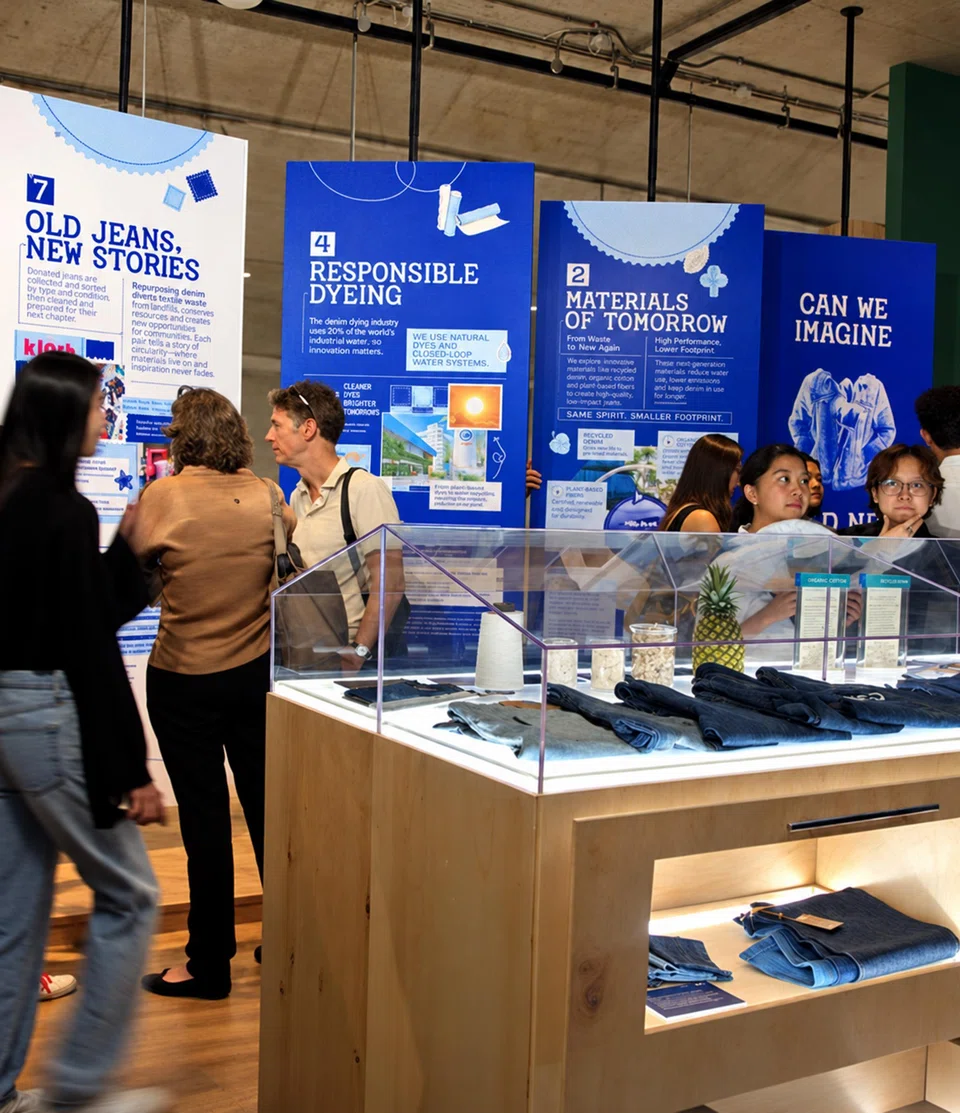
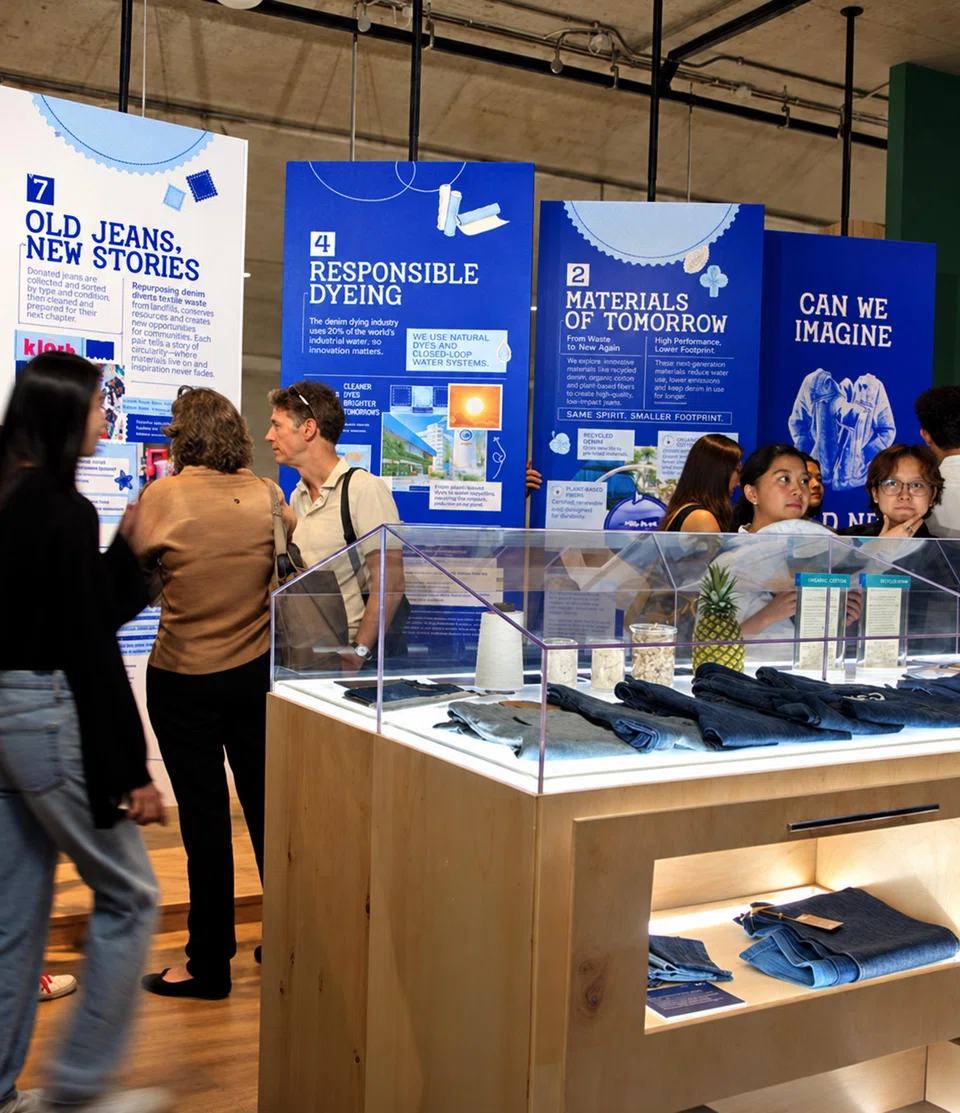
The old playbook of producing fast, scaling volume and winning on price no longer applies
FOR decades, Asean fashion grew by mastering a simple rule of survival: produce fast, scale volume, and win on price. This playbook built a regional fashion and textile industry on track to cross US$50 billion in market value.
Today, that has entirely changed. Mandatory disclosures on supply chain emissions are coming into effect across major import markets like the United States in 2027, while brands within the European Union will face stricter supply chain due diligence obligations starting 2028.
Suppliers and manufacturers who don’t meet – or simply don’t have the data to prove that they meet these standards will soon be locked out of global trade.
For Asean, which has emerged as the dominant manufacturing bloc for the US and EU, the new rule for survival is sustainability literacy.
The readiness gap
As it stands, while Asean is scaling in production, it is falling behind on accountability. Recent findings from the Singapore Fashion Council (SFC) highlight a significant opportunity to strengthen preparedness for these new reporting requirements.
For example, only 43 per cent of regional manufacturers currently track their greenhouse gas emissions.
Water consumption also appears to be a blind spot, where none of the manufacturers surveyed report that they measure their water consumption or have plans to begin tracking it.
In fact, fashion is merely the canary in the coal mine. From electronics to agri-food and automotive, heightened scrutiny on ESG makes one thing clear: no export-reliant industry in Asean will remain insulated from transparency requirements.
To survive and indeed, thrive, under these new rules, Asean companies must treat sustainability literacy as a commercial capability that needs to be actively built.
New rules for survival
The first rule is about starting with clarity, not perfection.
Businesses must familiarise themselves with emissions accounting guidance from regulatory requirements and recognised standards in the textile and apparel sector. This will help them to prioritise focus areas and select short-term goals that can already demonstrate success.
Many mistakenly believe that they need complex, costly carbon-accounting software right on day one. But they can start with simple baselines, like tracking office energy use or basic factory waste, and build internal capability before attempting to tackle more complex areas like the supply chain emissions of downstream partners.
Leveraging localised platforms like the Singapore Emission Factors Registry database or the new Sustainability Readiness Intelligence tool can also take much of the initial complexity and friction out of emissions reporting.
The next rule for survival demands collaboration.
Fashion and textile supply chains are tightly interconnected, where design decisions can contribute up to 80 per cent of a product’s environmental impact.
Co-creating with suppliers from the earliest stages of production allows brands to design out waste, extend product lifespans and keep materials in circulation longer.
A good example is zipper manufacturer YKK, which has developed its Revive series using zippers made from recycled plastic bottles. The design allows consumers to replace a broken slider easily from the top stop, rather than discarding an otherwise perfectly good jacket.
It is a practical illustration of how collaboration and thoughtful design can support circularity while helping consumers extend the lifespan of their clothing.
Customers are also key downstream partners in these efforts. Whether through take-back schemes or partnering local tailors for affordable mending services, brands and retailers can empower customers to keep their garments in use for longer.
Making circularity convenient is what turns consumers into active allies for waste reduction.
Finally, the third rule mandates that businesses communicate with credibility. Broad marketing claims such as “eco-friendly”, “green” or “conscious” are increasingly subject to scrutiny from both regulators and consumers.
The SFC’s data also highlights how credible, substantiated sustainability claims can be a key differentiator for Singapore enterprises seeking to build partnerships and enter new markets, both domestically and across Asean.
In today’s increasingly discerning marketplace, transparency and evidence-based claims, such as disclosing exact recycled material ratios and meeting recognised certification standards, are essential to building trust and unlocking business opportunities.
Honesty is fundamental. Partners and consumers respect realistic progress over impossible perfection. Demonstrating quick, achievable wins while acknowledging gaps builds market credibility that goes a long way.
Claiming Asean’s seat at the table
Ultimately, no brand, manufacturer or supplier can own this new playbook alone.
The scale of Scope 3 emissions and supply chain fragmentation across Asean demands a unified, ecosystem approach. The clock is ticking.
By moving from transactional vendor relationships to genuine co-creation, and from vague marketing claims to audited data transparency and traceability, the region’s fashion industry can turn a compliance threat into a lasting trade advantage.
The choice ahead is clear: rather than wait for global markets to dictate the future, we can claim our seat at the table and shape the evolution of sustainable fashion.
Source: Business Times
Share:


<p>Time: November 2025<br /> By: WTO and International Trade Group, Legal Department – VCCI</p>
