

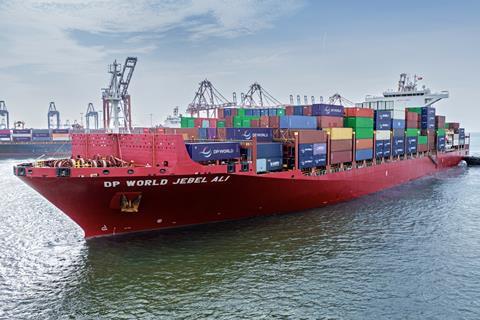
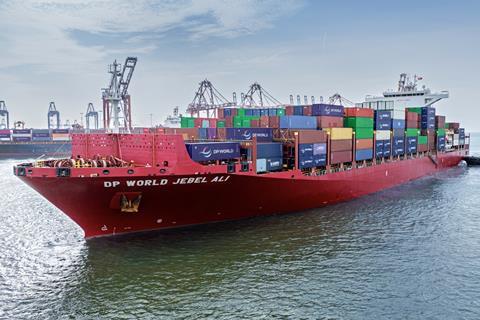
India’s electronics supply chain is leaning more heavily on Vietnam, and the shift is sharpening attention on the rules governing duty-free trade between India and Southeast Asia. Smartphone brands and consumer electronics makers are importing more displays, camera modules, and finished devices from Vietnam, drawn by preferential tariffs as component costs climb sharply.
Memory chips sit at the center of the cost pressure. Prices have risen nearly fivefold over the past 12 months, squeezing bill-of-materials budgets for handset and device makers and pushing procurement teams to seek savings elsewhere in the supply chain. Duty concessions on Vietnamese imports offer one of the few immediate levers.
The numbers show a steady climb. India’s electronics imports from Vietnam reached USD 5.36 billion in FY26, up 9.5 percent from roughly USD 4.90 billion in FY25. The figure stood at USD 4.50 billion in FY24 and USD 3.88 billion in FY23, meaning inbound shipments grew by nearly 40 percent over three years.
Cost logic favors imports over assembly
For some product categories, the economics now tilt clearly away from local production. Certain finished devices sourced from Vietnam land in India at a lower cost than comparable units assembled domestically, and several companies have chosen to set up manufacturing in Vietnam rather than in India. A large share of the importers are Chinese firms that already run manufacturing or assembly operations in India, giving them the flexibility to pick the cheapest route for each product line.
This creates a difficult equation for India’s component ambitions. Production incentives are designed to make local factories viable, but duty-free access for competing imports can erode that advantage even for units that qualify for government support. Rising sourcing through Vietnam may therefore reflect a change in shipping routes more than genuine growth in Indian manufacturing capacity.
Origin rules move to the center of trade talks
Preferential duty is not automatic. Goods entering India under the ASEAN-India Trade in Goods Agreement (AITIGA) must satisfy the pact’s rules of origin and carry a valid certificate of origin. The current framework relies on a uniform 35 percent local value addition threshold, which India wants to replace with product-specific rules and tighter enforcement to prevent Chinese goods from being routed through ASEAN.
The review of the agreement remains open. Negotiators met in Jakarta from October 6 to 9, 2026, moving the review forward while leaving substantive negotiations unfinished, with origin rules still under discussion. Both sides aim to reach a substantial conclusion in 2026.
For brands and electronics manufacturing services (EMS) providers, the outcome carries direct sourcing consequences. Stricter, product-specific origin criteria would raise the documentation and value-addition bar for Vietnamese components and finished goods, narrowing the cost gap that currently favors imports. Until a revised framework is in place, Vietnam is likely to remain an attractive alternative for cost-sensitive categories such as display assemblies and camera modules.
Source: Communication Today
Share:


<p>Time: November 2025<br /> By: WTO and International Trade Group, Legal Department – VCCI</p>
