

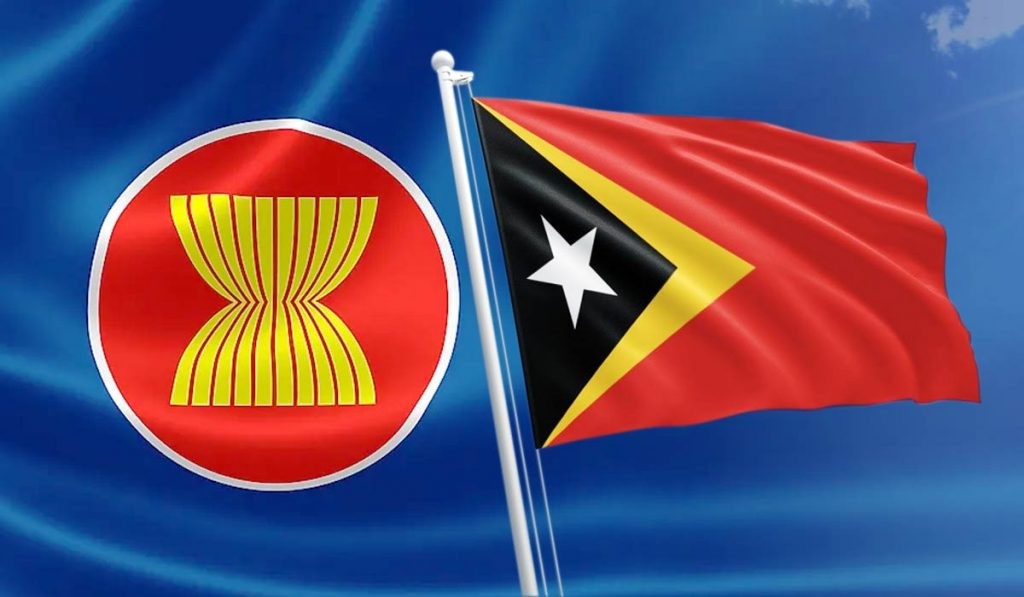
Timor-Leste gained independence in 2002. Since 2011, it has sought to become a member of ASEAN. However, the country must improve its economic and political situation to be eligible for ASEAN membership. Since the 2017 General Election, when a minority government was formed, the country’s political situation has become volatile and uncertain due to a power struggle among political actors with constitutional authority to govern. Consequently, it has impacted economic development and diverted government attention from addressing the most critical challenges in economic development, such as sustainable development, inclusive growth, economic diversification, and job creation.
Therefore, Timor-Leste wants to join ASEAN to strengthen its economic development. However, its attempt to apply for membership has been delayed several times since the members of ASEAN have not reached an agreement through consensus during ASEAN Summits. This article examines the factors underpinning Timor-Leste’s intention to join ASEAN and the challenges obstructing it.
Why Does Timor-Leste Want to Become a Member of ASEAN?
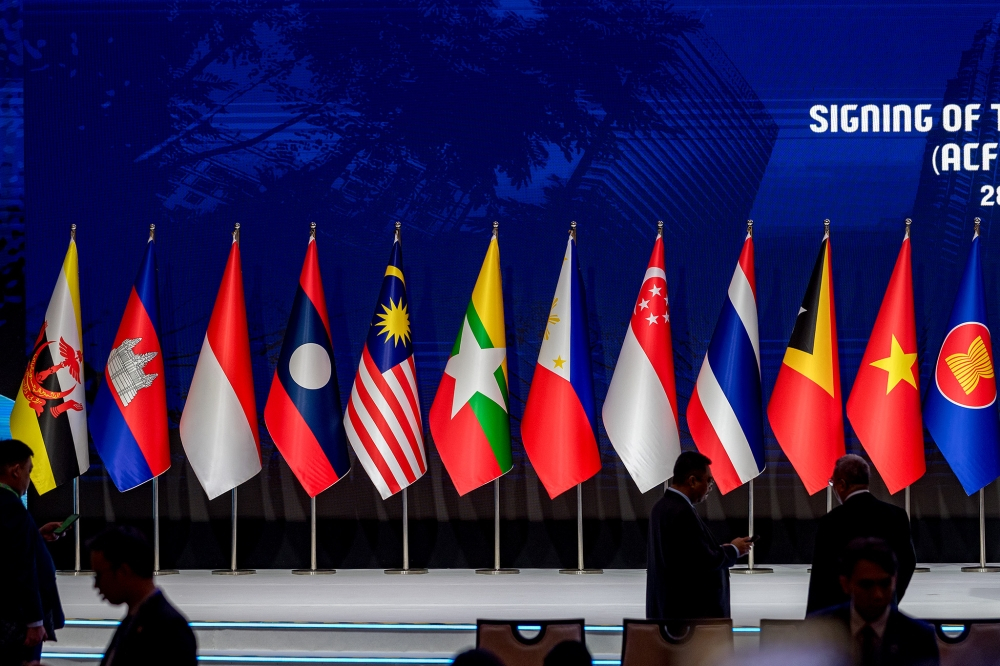
Timor-Leste is the only country in Southeast Asia not a member of ASEAN. Besides its geographical location and cultural similarity, Timor-Leste is enthusiastic about joining ASEAN because it will provide access to the ASEAN market of 650 million potential customers, which will help the country’s economy to grow. Moreover, ASEAN membership for the Timorese will help reconcile economic, security, and geopolitical interests while developing a regional identity.
Even though Timor-Leste is not an ASEAN member, it has developed close commercial ties with some members of the regional organisation, such as Indonesia, Singapore, Vietnam, Malaysia, and Thailand. Based on the data from the country’s General Directorate of Statistics, between 2016 and 2019, Timor-Leste spent US$2.05 billion on imports, with more than half of that going to five ASEAN countries, while it exported only US$95 million worth of products and services to those countries during the same period, highlighting the country’s massive trade deficit with the bloc. Therefore, it expects that joining ASEAN can help narrow the trade deficit.
Furthermore, Timor-Leste is in Southeast Asian region, so it is significant for the country to join the bloc. As stated in Article 6 of the ASEAN Charter, to be a member of ASEAN, the prospective member needs to be in Southeast Asia, recognised by all the member states, abide by the Charter, and have the “ability and willingness” to carry out all membership obligations. Fortunately, Timor-Leste is geographically located in Southeast Asia, matching the geographical location requirement. However, its application for ASEAN membership still faces challenges.
Existing Challenges
There are debates regarding Timor-Leste’s application for ASEAN membership. Some observers have expressed positive views on its membership, while others have criticised it, arguing that allowing a new country into ASEAN would only bring trouble to the grouping. Nine ASEAN countries have expressed their support for Timor-Leste’s bid for membership. For instance, Indonesia has strongly supported Timor-Leste’s application. Indonesia’s support was expressed through the statements by Indonesian officials and actions to facilitate Timor Leste to become the 11th member of ASEAN. Malaysia also supports the admission of Timor Leste as a new member of ASEAN because of its location in Southeast Asia. Cambodia has also shown its strong support for Timor-Leste membership. During the 36th ASEAN Summit on 20th June 2020, Cambodian Prime Minister Hun Sen stated, “I am optimistic that the membership of Timor-Leste is not only strategically important for us in the context of geopolitical contest among major powers, but also to realise the dreams of the Founding Father to unite all countries in Southeast Asian region under the ASEAN umbrella.”
However, Singapore is the only ASEAN country that has rejected Timor-Leste’s application. Singapore is sceptical of Timor-Leste’s readiness for membership, fearing that Dili could undo ASEAN’s economic integration ambition. Moreover, Timor-Leste’s economic dependence on foreign assistance and its diminishing oil and gas income made Singapore reluctant to support it.
According to Dezan Shira, a specialist in foreign direct investment practice, the industrial sector accounts for 77% of Timor Leste’s GDP, while agriculture accounts for just 5.9%. Moreover, because of a decline in oil and gas prices, the 2015 Timor-Leste EITI Report showed a steady decline in revenues, from US$3.8 billion in 2012 to US$1 billion in 2015. Too much dependence on foreign assistance would impact the country’s decision-making process. Australia, Japan, Portugal, the European Union, the United States, and China are the primary sources of foreign aid to Timor-Leste. For instance, the U.S. Agency for International Development (USAID) data showed that, between 2000 and 2008, the United States provided Timor-Leste US$272 million. Furthermore, Timor-Leste’s health and education sectors are among the lowest in Southeast Asia, casting doubt on the country’s readiness.
Megawati Wijaya, a Singapore-based journalist, stated that, from the Singaporean perspective, welcoming a new member into ASEAN would only add more problems to the association since it would require more time to implement the obligations it has signed, particularly on economic issues. Therefore, the main challenge to Timor-Leste’s bid for membership is a lack of consensus among ASEAN members regarding its financial and political fitness.
In conclusion, becoming the 11th member of ASEAN will provide a window of opportunity for the youngest country in Southeast Asia. However, there are critical challenges that Timor-Leste must address. While it has demonstrated its aspiration and readiness to join the regional bloc, ASEAN members are at odds over admitting the potential eleventh member due to Timor-Leste’s much reliance on foreign aid and poor economic indicators. Therefore, to gain support from all ASEAN members, Timor-Leste needs to work harder to improve some areas such as enhancing domestic political stability, improving economic development, and reducing its dependence on foreign assistance.
Source: Khmer Times
Share:
<p>Time: November 2025<br /> By: WTO and International Trade Group, Legal Department – VCCI</p>
