

Thailand will relax Covid-19 measures Friday, delaying curfew and reducing quarantine for foreign arrivals to a week, while authorities study reopening Bangkok and other destinations to tourism.
The Department of Trade and Industry (DTI) expressed support for the inclusion of small businesses in an ASEAN-Australia and New Zealand free trade deal upgrade in recent virtual discussions by trade ministers.
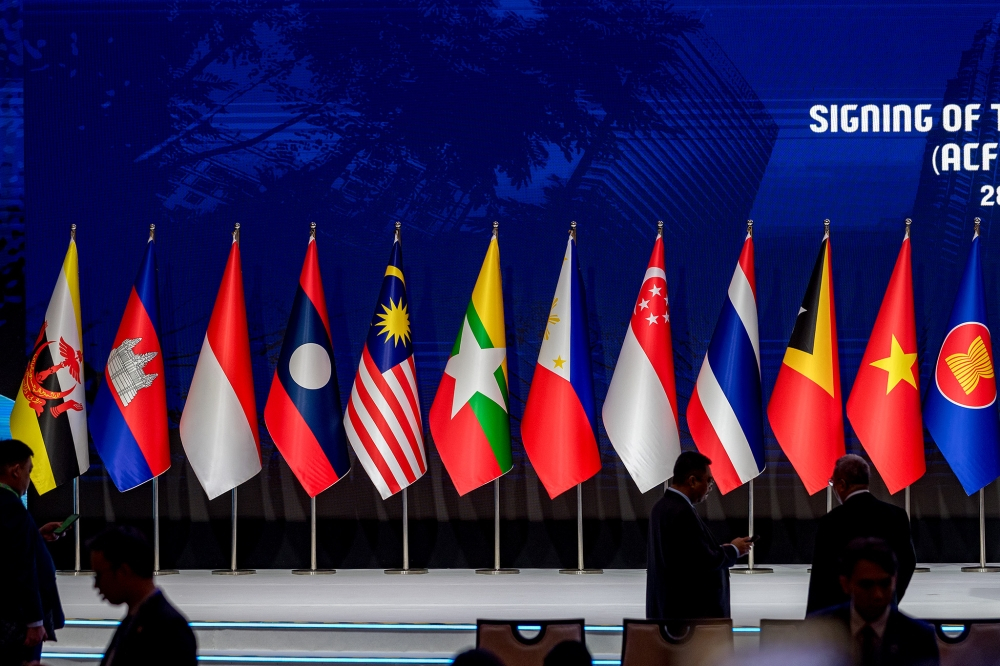
The US-ASEAN Trade and Investment Facilitation Agreement (TIFA) is a framework that defines economic engagement between the two parties. While short on specifics, the TIFA — which was signed in 2006 — sets forth broad goals and principles for the US and ASEAN to cooperatively work toward strengthening trade and investment.
Asean countries and South Korea agreed to improve their free trade agreement during the recent 18th Asean-Korea Economic Ministers Consultation held virtually from Sept 13 to 15, Vice Commerce Minister Sansern Samalapa said on Sunday (Sept 26).
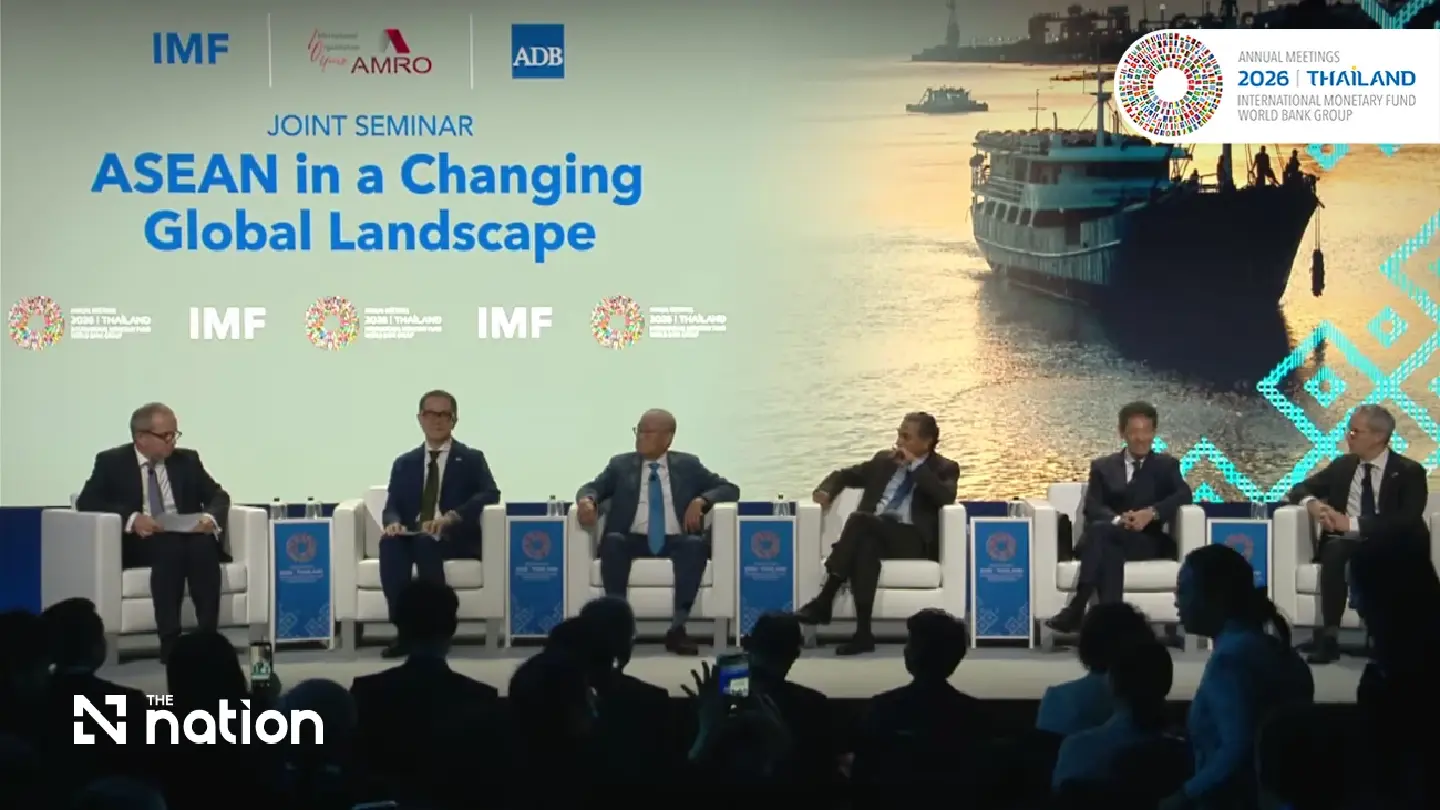
In the face of global tax reforms to tackle base erosion and profit shifting (BEPS), the most important policy response for Asean economies is to enhance their non-tax competitiveness in attracting foreign investment, analysts from Asean+3 Macroeconomic Research Office (AMRO) said in a note on Tuesday.
Malaysia has placed much importance on digital economy by rolling out plans such as the National Digital Infrastructure Plan (Jendela) to boost digital connectivity in the country, says Minister of Communications and Multimedia Annuar Musa.
Things were looking up for the aviation sector in ASEAN in the middle of this year.
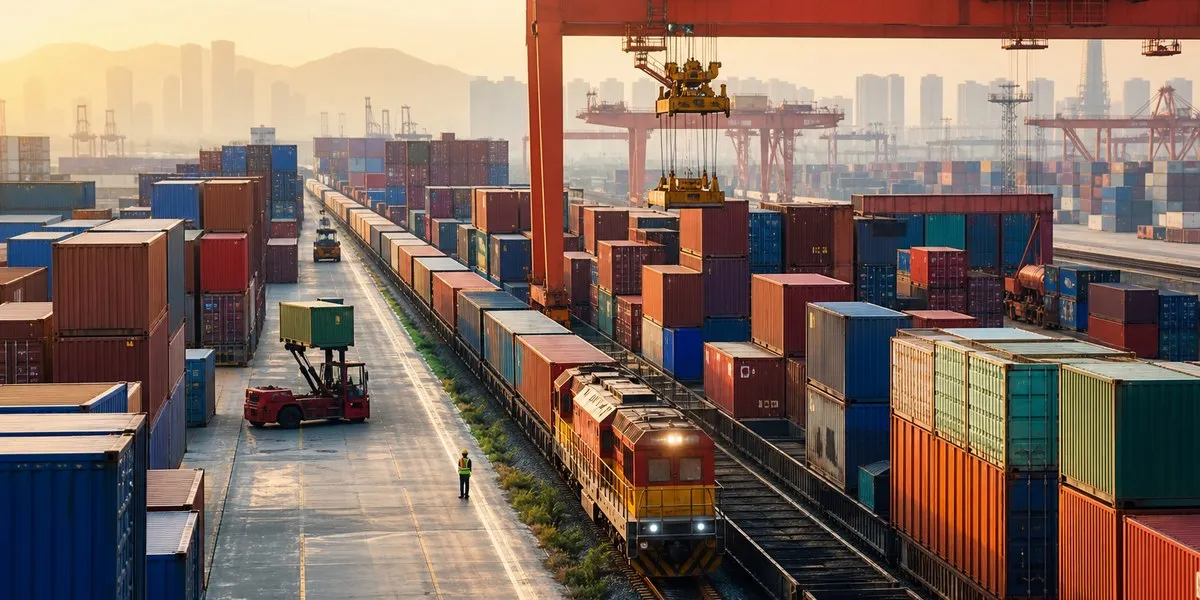
The Ministry of Industry and Trade (MOIT) has announced the first review of the anti-dumping measures imposed on a number of plastic products imported from China, Malaysia and Thailand.
<p>Time: November 2025<br /> By: WTO and International Trade Group, Legal Department – VCCI</p>
