

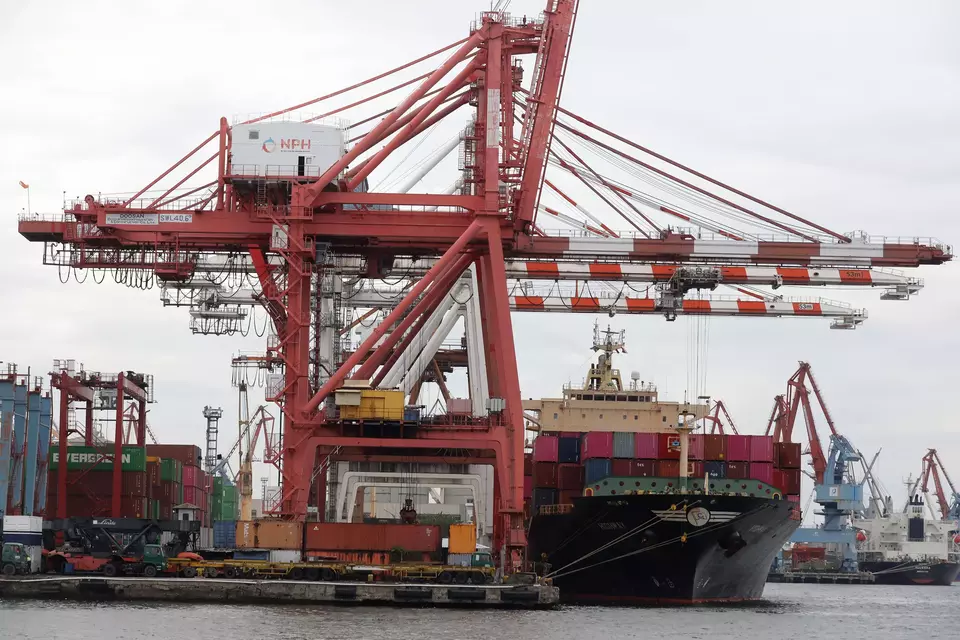
Cambodia is looking for workarounds to ship cargo to China while avoiding the risks and problems associated with ongoing severe congestion at Sino-Vietnamese land border gates, which has been blamed on Beijing’s response to the SARS-CoV-2 Omicron variant and its “dynamic zero-Covid” policy.
Virtual negotiations between Phnom Penh and Beijing on a quality-control system and other matters concerning the export of the Kingdom’s “pra” type shark catfish that were initially planned for end-January will most likely be postponed, and possibly kick off early in the month of Khmer New Year, which falls on April 14 in 2022, according to a senior Fisheries Administration (FiA) official involved in the talks.
China and Cambodia will step up the implementation of their free trade agreement (FTA), which took effect from January 1, to benefit businesses and people of both countries, according to a statement by the Ministry of Commerce of China.
Thailand’s Ministry of Industry has projected up to 3.5 percent economic growth for the industrial sector, citing government stimulus measures and recovering export markets. However, high fuel costs and new Omicron coronavirus variant remain key challenges going forward.
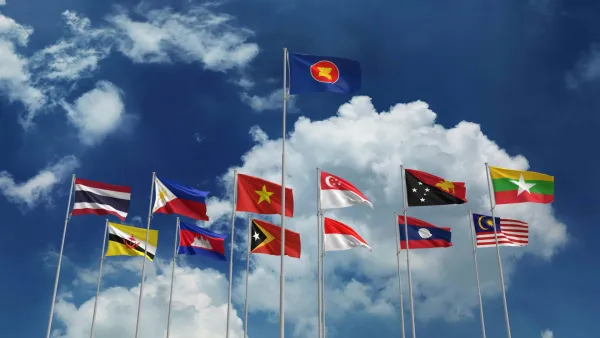
The Regional Comprehensive Economic Partnership (RCEP), taking effect on Saturday, shines rays of hope through the dark clouds of unilateralism and protectionism.
From cost savings to greater market access, there will be clear benefits for Singapore businesses as the world’s largest trade deal comes into force, the city-state’s trade minister said on Tuesday.
Cambodia’s economic growth in 2021 is projected to reach around 3 percent thanks to the strong export of agricultural and industrial products, especially the country’s reopening post COVID-19.
Cambodia exported 7.98 million tonnes of agricultural products in 2021, up 63.8 percent year-on-year, raking in nearly 5 billion USD, according to Minister of Agriculture, Forestry and Fisheries Veng Sakhon.

<p>Time: November 2025<br /> By: WTO and International Trade Group, Legal Department – VCCI</p>
