


Myanmar is one of the closest neighbors of Bangladesh, with historic connectivity going back centuries. Previously part of India, Bangladesh gained full independence in 1972, since when the two countries have developed an economic and social relationship with each other. Apart from its border with India, Bangladesh shares a border with Myanmar to the south-east.
The 271 km long Bangladesh-Myanmar border is very important for Bangladesh due to its strategic position, although at present the area is militarized due to an ongoing battle between Myanmar and Rohingya insurgents bent on establishing a separate state. Were this to be resolved, Bangladesh could develop routes via Myanmar to access China to the east, and other southeast Asian countries to the south. Road connectivity is possible through Myanmar. Maybe a new horizon of relationships and possibilities could unfold.
Myanmar can also use Bangladesh as a transportation route to reach markets such as Nepal, Bhutan, and India. Both Bangladesh and Myanmar share the common regional trade BIMSTEC, although bilateral trade progress has been slow. On the other hand, Bangladesh is considered a ‘hub ‘between South Asia and Southeast Asia.
Bangladesh is a Southeast Asian country geographically and South Asian culturally, demographically, and historically, an outstanding geo-strategic characteristic of Bangladesh. Without the involvement of Bangladesh, connectivity amongst ASEAN and SAARC members of Afghanistan, Bangladesh, Bhutan, India, Maldives, Nepal, Pakistan, and Sri Lanka is difficult. Myanmar can make us of its status as an ASEAN member to access the SAARC free-trade bloc.
There are other routes to bilateral cooperation. Myanmar is rich in natural resources. There are huge amounts of natural resources like tin, zinc, copper, tungsten, coal, marble, limestone, natural gas, hydropower, etc. The major resource of this country is mineral resources. Myanmar can be a major source of energy for Bangladesh to ensure its energy security. Food and grains are produced in large quantities in Myanmar. Myanmar can also be an asset to Bangladesh in food security.
Myanmar has a huge potential for rice cultivation. But the land is often underutilized due to a lack of human resources and technologies such as salt-tolerant rice.
Myanmar needs effective labor. Rice production in the country accounts for approximately 43% of its total agricultural production, making it the seventh-largest producer of rice in the world. Out of 67.6 million hectares of land, 12.8 million are used for cultivation. In 2019 alone, Myanmar accounted for 13,300 million metric tons of milled rice production. Rice production in Myanmar is heavily dependent on human and animal power, both traditional methods of cultivation.
Myanmar has a lack of manpower and technology in this regard. But Bangladesh has these two things. Bangladesh has surplus human resources. Myanmar can utilize the human resource of Bangladesh for maximum gain.
But Bangladesh has never been able to take advantage of this opportunity. Myanmar, a country of 135 tribes and different ethnic groups has been under military rule on and off over the years. That may be one of the reasons why the relationship is not deep. If Bangladesh had good relations with Myanmar, its dependence on India could be reduced. If contacts were made in Southeast Asia and China through Myanmar, there would be immense potential for investment and trade.
Bangladesh and Myanmar are both on the way to becoming developed countries. Bangladesh is expected to be another ‘South Asian Economic Miracle’. Bangladesh can play a significant role in Myanmar to some extent throughout the entire Southeast Asian region. For this, Myanmar should encourage improved diplomatic relations with Bangladesh for the mutual interest of South and Southeast Asia.
The EU, China, India, Russia, and North Korea are becoming allies in Myanmar’s oil, gas, mineral resources, and military markets. Taking advantage of the US pull back from Asia, Myanmar’s military junta has instead extended its hands for China to invest. Consequently, China is now the biggest investor in Myanmar. According to Earth-Rights International, a private group, more than 26 Chinese companies are investing in Myanmar’s oil, gas, mineral resources, and allied sectors. China has already become its biggest ally in building and supplying arms to Myanmar.
Myanmar has developed relations not only with China but also with India. India and China are building trade relations with Myanmar. The United States is also changing its approach to the Myanmar question. That is why the United States has begun new initiatives to develop relations.
Recently, a 41-year dispute over the maritime border between Bangladesh and Myanmar was settled by the International Court of Justice. As a result, the rights of Bangladesh have been established in an area of 11,000 square kilometers. Myanmar’s waters have also been properly identified. As a result, this problem has been eliminated. The path of creating tension in the Bay of Bengal has been blocked.
Myanmar is rich in minerals, ores, oil, gas, precious stones, and other natural resources. The country is a major supplier of natural wood to the world. While attracting foreign investment has been limited to the oil and gas sector, the country has recently shifted its focus to attracting production-based investment. The country is well ahead in power generation due to good investment in hydropower generation. The tourism industry is also a promising sector of the country.
Myanmar’s economy has so far been limited to extracting natural resources, according to Nobel laureate economist Professor Joseph Stiglis, who warned that the country would suffer a “curse of wealth” if it continued. Some resource-rich countries in Africa, including Nigeria, Sudan, and Benin, have been plagued by corruption, internal strife, and poverty. These countries could not adopt proper wealth management systems. Economists have stated that if democracy is restored in Myanmar and corruption is reduced, it is less likely to descend to such depths. With the military stating it intends to hold new elections in 2023, if successful, it can be assumed that Myanmar will develop rapid economic growth shortly afterward.
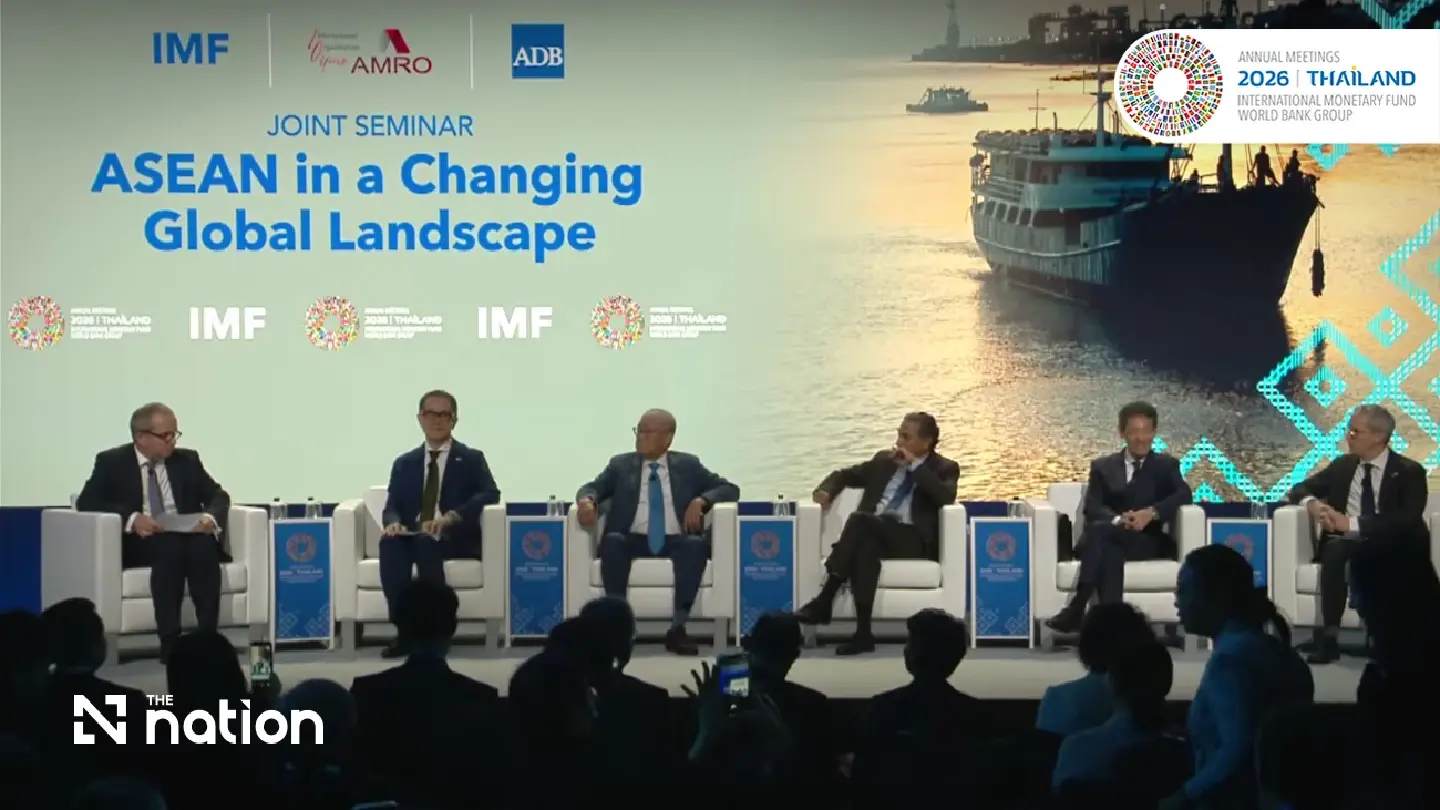
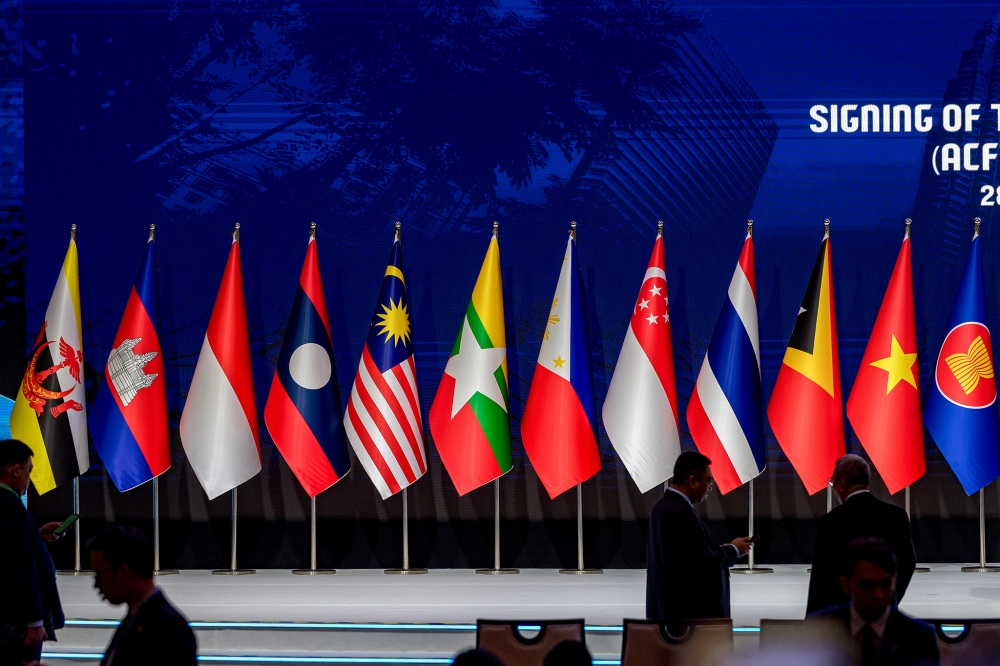
The country’s biggest economic advantage is that they are members of the ten-nation ASEAN. ASEAN is one of the three most successful trade blocs in the world, including Singapore, Malaysia, Indonesia, Thailand, Philippines, Brunei, Vietnam, Cambodia, Laos, and Myanmar. The alliance controls about 24 percent of total world trade and its share in world trade is growing every year. ASEAN’s trade relations with China, Japan, and South Korea are deepening due to the increase in trade and the upcoming RCEP agreement. ASEAN countries account for more than 50 percent of total trade between themselves and these three countries.
As a result, Bangladesh can benefit by strengthening ties with this trade alliance, that is, Myanmar. Bangladesh and Myanmar are among the seven-member countries of the Bay of Bengal Initiative for Multi-sectoral Technical and Economic Cooperation (BIMSTEC). Therefore, there is ample opportunity to increase trade and investment relations between the two countries through BIMSTEC.
There are many opportunities to enhance Bangladesh’s bilateral trade and investment relations with Myanmar. Through the import of gas and electricity, Bangladesh can obtain future energy security. The two countries can jointly explore oil and gas fields in the Bay of Bengal. Bangladesh can also contribute to the development of Myanmar’s infrastructure.
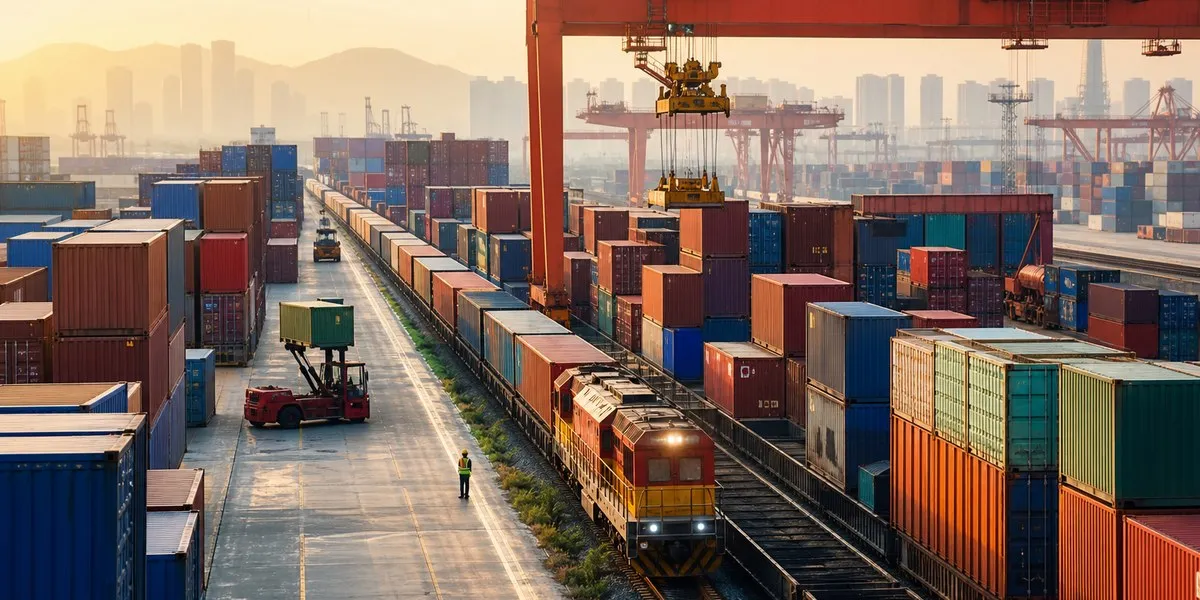
The proposed construction of the Asian Highway, funded by the Asian Development Bank and other donor groups, could also increase land connectivity between the two countries. And there is ample opportunity to increase shipping. Besides, joint investments can be made in fertilizer, plastic, cement, furniture, etc. Both countries will benefit if Myanmar produces raw materials and Bangladesh with skills, technical knowledge, and labor. Myanmar is largely import-dependent. Bangladesh can also export readymade garments.
Bangladesh produces medicines, electronics. Myanmar, which at present does have such sophisticated manufacturing can import these from Bangladesh and benefit from technology transfer.
On the other hand, Myanmar is a source of agricultural products. Bangladesh can import these from Myanmar. During Bangladesh’s onion crisis with India in 2019, Myanmar provided onions to Bangladesh. Bangladesh understood the importance of bilateral trade with Myanmar at that time.
Bangladesh is keen to provide assistance to Myanmar. Covid-19 vaccine diplomacy, counter-terrorism approach for regional security are some sectors. The Rohingya refugee problem has created distance between Bangladesh and Myanmar. Myanmar should try to solve this problem to serve its own and regional longer-term interests. Myanmar should understand that it is the issue of the region and that without resolution entire South Asia and Southeast Asian region could become volatile.
However, the two countries can also increase productivity in the agricultural sector through joint ventures. Apart from adopting joint investment projects, Bangladesh can increase imports of various agricultural products including pulses, spices, fish, and rice. Thus, enhancing bilateral relations could contribute to the growth of trade and investment relations with ASEAN and BIMSTEC countries. This will create an opportunity to solve the Rohingya problem and cease militant activities. Both Bangladesh and Myanmar should take effective steps to strengthen their bilateral relations.
Source: ASEAN Briefing
Share:


<p>Time: November 2025<br /> By: WTO and International Trade Group, Legal Department – VCCI</p>
