

An estimated US$2.1 trillion of infrastructure investment is required across ASEAN but current budgets will cover only US$910 million.
Attracting the additional capital needed is a formidable task but not an unachievable one.
As the need for infrastructure investment intensifies and traditional bank lending tightens, governments are getting smarter at smoothing the path for private investment.
This includes prioritising projects that will be clearly valued and utilised by consumers, and transparent and open project tendering.
CLEAR POLITICAL WILL IN INDONESIA
Getting the right project selection and investment approach needs strong government policy.
Fortunately, there is clear political will in countries like Indonesia to achieve this.
President Jokowi has made infrastructure across the transport and power sectors his key priorities and has recognised that Indonesia needs to import both the capital and the expertise to deliver on these commitments.
A key plank of his focus is to increasingly open existing infrastructure assets to the private sector through debt securitisation and project bond markets.
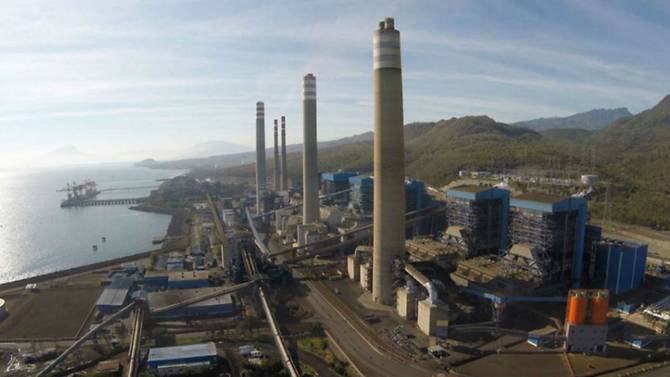
Paiton Energy is a clear example of how debt capital markets have a potentially significant role to play in the funding of Indonesian infrastructure.
In August, the privately owned independent power producer – which is also Indonesia’s second largest - launched a two-tranche US$2 billion project bond. The bonds comprised US$1.2 billion in 13-year notes and US$800 million in 20-year notes.
The deal was the first in which a private company received an investment grade rating, and the first public project bond to be issued in Asia since 2000.
Its long tenors appealed to investors looking for long-dated, high-quality infrastructure assets. It showed that Asian investors are prepared to make significant investments in Indonesian infrastructure for the right deals.
The fact that investors will buy long-dated amortising structures is also a significant step forward for the Asian capital market.
Beyond investor appetite in infrastructure project bonds, there is also significant demand from international players to invest alongside Indonesian capital in the ownership of Indonesian infrastructure projects and platforms.
In addition to bringing much needed capital to continue to develop and maintain the Indonesian infrastructure sector, this investment can also bring international expertise to improve the operational and financial performance of assets, and enhance valuable physical, financial and people-based linkages between Indonesia and regional or global markets.
BELT AND ROAD INITIATIVE ANOTHER SOURCE OF FUNDING
Another key and developing source of investment for Indonesia is through China’s Belt and Road Initiative (BRI).
According to HSBC, BRI-related commitments for ASEAN – specifically in Malaysia, Indonesia, and the Philippines – will total more than US$77 billion.
Under BRI, the Chinese government is focusing on a commercial approach that seeks sustainable and win-win partnerships with government partners like Indonesia.
Practically speaking, this includes forging stronger relationships across all levels of government, being more proactive in seeking partnerships with local firms in project builds, and early consultation with relevant government bodies to ensure proposals are commercially sustainable and in line with design and environmental standards.
The interest in investing in Indonesia from Chinese companies, and benefits of harnessing BRI interest in well-designed and structured projects is becoming more obvious in both awarded and potential projects.
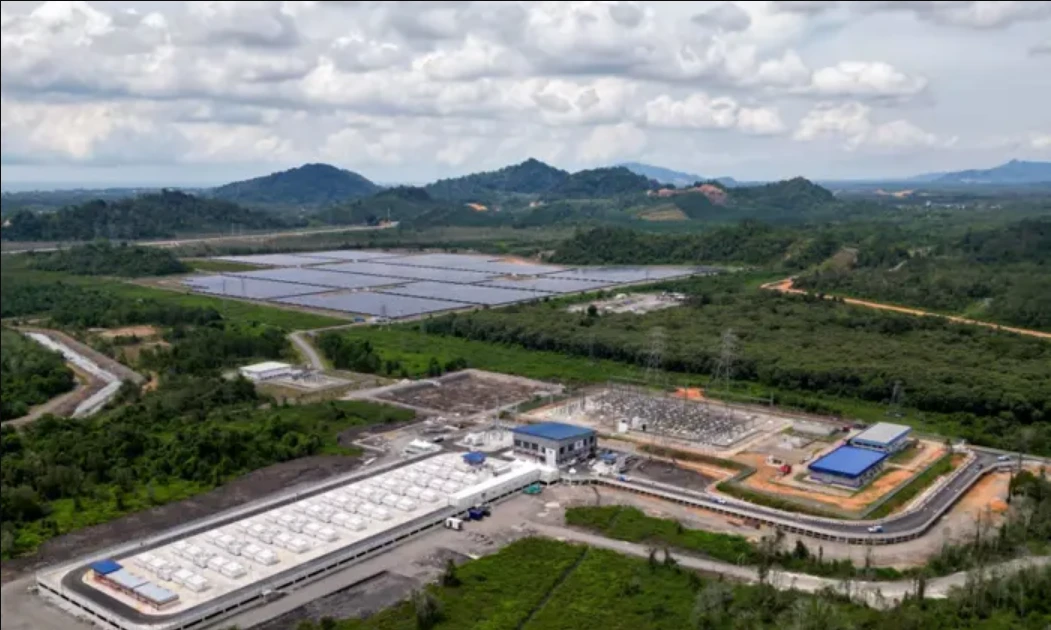
For example in the power sector, we are seeing a Chinese consortium develop the 2,000 mW Java-7 power station.
The project was awarded through a highly competitive bid process completed in 16 months – a record time for this type of project in Indonesia.
Once complete, Java-7 will add significant low-cost power capacity to the Java and Bali regions and will further strengthen the regional power grid system.
SINGAPORE, THE OTHER CLEAR WINNER
Taking a private partnership approach – whether it’s via the capital markets, international investment or BRI - is enabling the Indonesian government to both raise new capital and recycle existing capital into new greenfield projects and has the ability to trigger a virtuous circle through the delivery of technological knowledge transfer and operational efficiencies.
Getting the investment and capital market infrastructure right is equally important. In this respect, the other clear winner in ASEAN is Singapore.
Singapore has invested significantly in further developing its capital markets infrastructure including through the Asian Bond Grant Scheme and the Green Bond scheme – designed to encourage issuers to underwrite and issue bonds in Singapore.
The Paiton Energy deal is one such example. In establishing the framework to provide financial incentives for issuers, the Monetary Authority of Singapore has succeeded in broadening the issuer base for Singapore and promoting the city state as a regional financial hub.
This concerted push by Singapore to further develop the sophistication and depth of its bond market has meant that about 60 per cent of ASEAN’s infrastructure deals – including Paiton and Jawa-7 – are being arranged from Singapore.
Smart infrastructure investment will be the lynchpin of ASEAN’s productivity and growth prospects.
The private sector is proving to be a willing investor but ensuring both sides benefit – along with the end consumer - will be the catalyst for future partnerships.
Source: Channel New Asia
Share:



<p>Time: November 2025<br /> By: WTO and International Trade Group, Legal Department – VCCI</p>
