

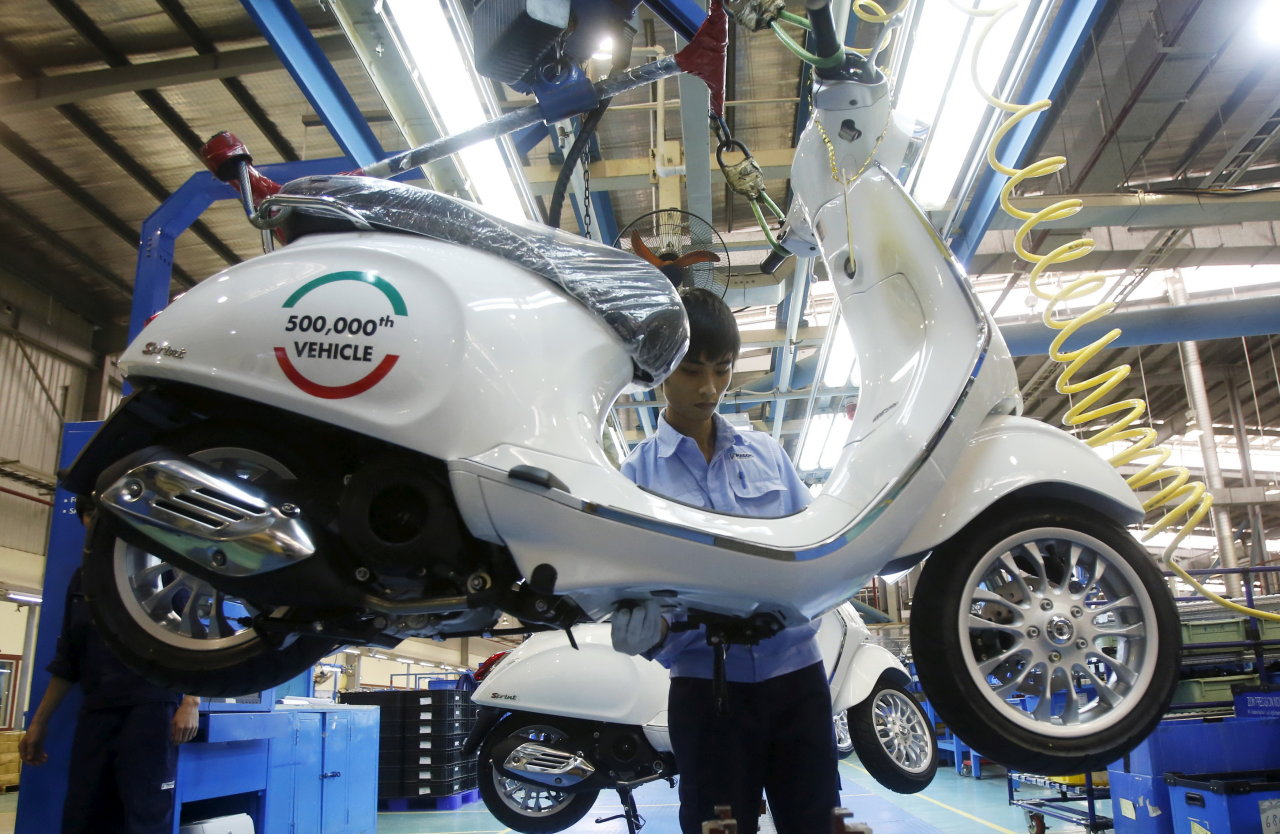
Global and regional investors remain vested in Association of South East Asian Nations (Asean) despite wider challenging economic externalities, according to a new Ernst and Young (EY) report – Rediscover Asean: a growth story of 10 countries.
Developed in conjunction with Asean’s 50th anniversary this year, the report looks at the region’s performance, potential opportunities in economic growth and investments, and infrastructure developments.
According to the report, Asean has in the recent decade become a focal point of global investor interest, with total trade having increased steadily by a compound annual growth rate (CAGR) of 6.4 per cent to US$2.3 trillion in 2015.
Commenting on this view, EY Asean and Singapore managing partner Max Loh said Asean’s trade linkages are well-entrenched with over 230 markets globally.
“With the Asean Economic Community policy thrusts encouraging regional economic integration, there is even higher upside for intra-Asean trade growth,” he said in the statement.
“In the longer term, the Regional Comprehensive Economic Partnership (RCEP) involving Asean, Australia, China, India, New Zealand, Japan and South Korea will help to drive further regional trade growth.”
Besides this, the relatively stable economies in Asean are also underpinning investor interest.
Asean’s member countries are expected to post healthy gross domestic product (GDP) growth rates of 3.0 to 8.0 over the next five years, and enjoy a CAGR of 5.1 per cent from 2017 to 2021 collectively.
The emerging markets – Cambodia, Laos and Myanmar – are expected to grow above 7.0 per cent, while the developing markets of Indonesia, Malaysia, Philippines and Vietnam are projected to generate a steady CAGR of 5.0 to 6.0 per cent.
EY’s Asean Assurance Leader, Datuk Abdul Rauf Rashid noted that this steady and consistent growth would be instrumental in retaining investor confidence in the region.
“At a time of volatility in various parts of the world, Asean may well be the prized ecosystem of certainty, consistent and resilient economic growth.
“The region is well-positioned to be a growth nucleus in Asia, even as China and India continue to power ahead,” he said.
Investors were observed to have already picked up on Asean’s growth potential as foreign direct investment (FDI) inflow into the region have reached a double digit CAGR of 11.5 per cent in the past decade up to 2015.
While extra-regional investments accounted for over 80 per cent of total FDI, it is noteworthy that the growth rate of intra-regional investment was almost double that of extra-regional FDI.
Moreover, over two-thirds or 68 per cent of merger and acquisition (M&A) deals in Asean from 2010 to 2016 were either intra-Asean or inter-Asia-Pacific, reflecting the strong appetite in the region. The most active sectors were consumer, energy and financial services.
“Asean is one of the few regions left that still has robust fundamentals and it has three stages of economic development – advanced, developing and emerging – which excite investors.
“Businesses should hold a long-term view of their prospects in the region and have a selective country or category strategy to win, given that the market typically rewards the largest two to three players,” added Vikram Chakravarty, EY Asean Transaction Advisory Services Leader.
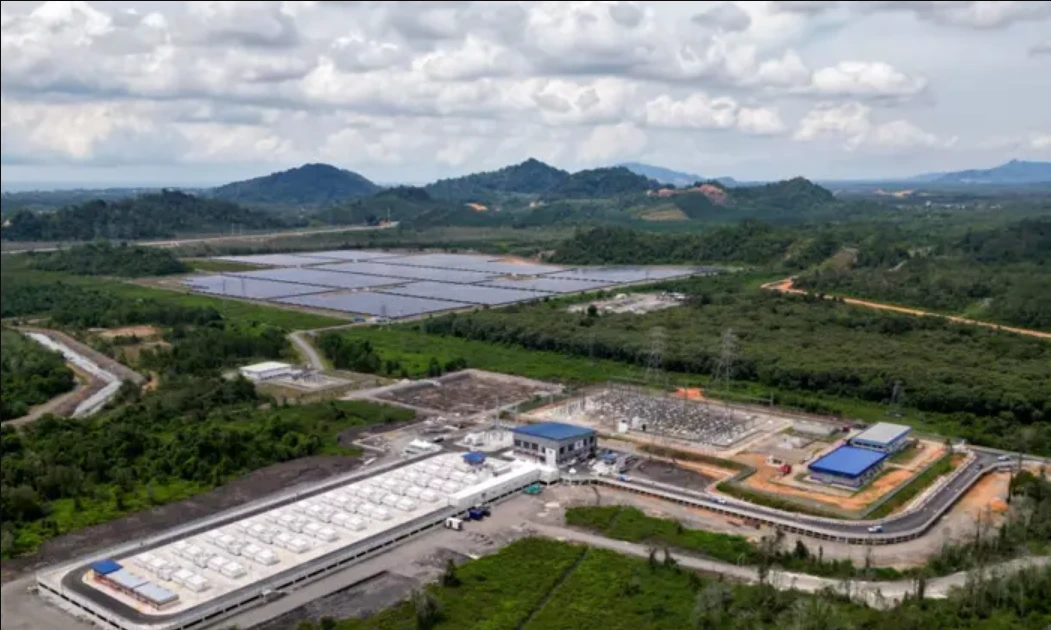
Moving into infrastructure investments, the report found that Asean’s rapid economic transformation continues to fuel appetite for infrastructure development.
Significant infrastructure investments are estimated at US$110 billion per annum until 2025 and its key areas include multimodal transport connectivity to improve logistics efficiency, utilities infrastructure and infocomm and technology projects.
Source: Borneo Post Online
Share:



<p>Time: November 2025<br /> By: WTO and International Trade Group, Legal Department – VCCI</p>
