

Beyond tariff, Vietnamese businesses face increasingly strict supply chain transparency requirements in the U.S. market. The U.S. President's new memorandum on Section 301 enforcement related to forced labor shows that traceability is no longer just a compliance issue but has become a key factor in competitiveness and the ability of Vietnamese products to maintain market share in one of the world's largest export markets.
New U.S. trade policy pressures
The U.S. President's July 23, 2026 memorandum directing the Office of the United States Trade Representative (USTR) to take action under Section 301 of the Trade Act of 1974 against 60 economies is seen as another step toward tighter trade standards on labor practices and supply chain accountability.
Viet Nam is among the economies under review for not having enacted or effectively enforced import bans on goods produced wholly or partly through forced labor.
According to the memorandum, Vietnamese goods fall into the category subject to a 12.5% tariff, higher than the 10% rate applied to economies that have established or are implementing mechanisms to control goods associated with forced labor.
The greater concern is not the tariff rate but the U.S. approach. While inspections previously focused mainly on finished products, the scope has now expanded to cover the entire supply chain. If any stage of production or any input material shows signs of forced labor, the entire shipment could face investigation, detention, or denial of entry.
This signals that international trade is entering a new phase in which competition increasingly depends on supply chain transparency, rather than just price or product quality.
For Vietnamese businesses, particularly those in major export industries such as textiles and garments, footwear, electronics, electrical equipment, energy, and agriculture, supply chain oversight will become increasingly strict.
Businesses will need to demonstrate not only that products are manufactured in Viet Nam but also the origin of every raw material, component, and intermediate product, as well as each stage of the production process.
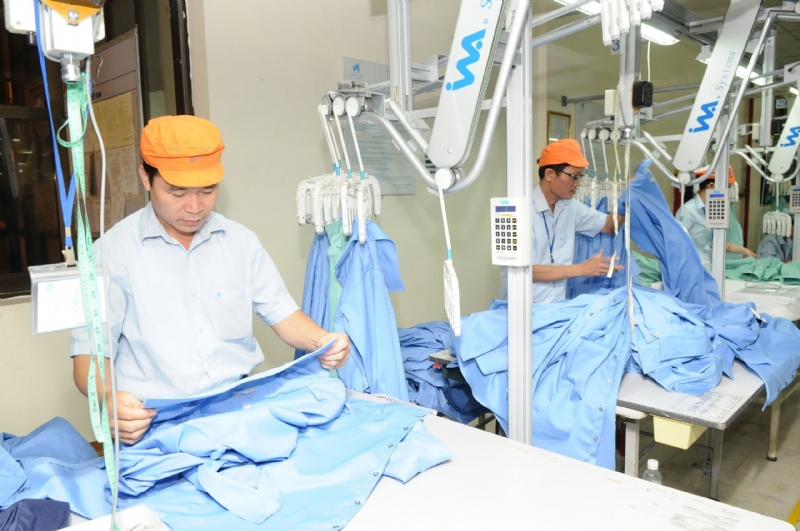
Viet Nam’s garment-textile industry faces increasingly strict U.S. supply chain transparency and product traceability requirements
Traceability is no longer optional
Against this backdrop, the Ministry of Industry and Trade's issuance of Circular 31/2026/TT-BCT on product and goods traceability is seen as an important step to help businesses adapt to changing international market requirements.
Under the regulation, products classified as high risk will be subject to mandatory traceability requirements. For other product groups, businesses are encouraged to adopt traceability systems proactively to strengthen management and better meet export market requirements.
The circular also provides two flexible implementation options. Businesses may either submit information directly through the goods traceability system of the Ministry of Industry and Trade or develop their own internal traceability systems, provided they can connect to and share data through the national system.
The launch of the goods traceability system at VeriGoods.vn not only standardizes data but also gives businesses a platform to create a digital profile for each product, supporting verification when requested by regulators or foreign trading partners.
More broadly, this is consistent with the trend toward digital transformation in supply chain management and growing demand for information transparency in major markets such as the United States, the European Union (EU), and Japan.
Early preparation builds competitive advantage
In practice, the range of goods the United States may inspect for forced labor or trade circumvention does not fully align with Viet Nam's domestic list of high-risk products. Many materials, including cotton, fibers, yarn, storage batteries, semiconductor components, and photovoltaic panels, are not currently classified as high-risk products under Vietnamese regulations, yet remain areas of particular concern to U.S. authorities. This means businesses cannot rely solely on compliance with domestic regulations but must proactively manage risks based on the standards of their export markets.
Businesses should therefore map their supply chains, identify all direct suppliers and suppliers at different tiers, and standardize documentation covering raw material origins, transportation, production, and delivery processes.
They should also classify suppliers by risk level, strengthen due diligence for sources from regions or industries subject to warnings, and standardize traceability data for each shipment or serial number to enable reverse tracing when necessary.
Another important requirement is strict control over product origin, with zero tolerance for illegal transshipment, relabeling, or minimal processing intended to establish Vietnamese origin.
Experts believe that as technical barriers and sustainable development standards increasingly become tools for regulating trade, supply chain management capabilities will have a greater impact on business competitiveness than cost advantages.
Traceability is no longer simply a way to comply with legal requirements. It has become an asset that helps businesses strengthen credibility, build trust with trading partners, and expand opportunities to participate more deeply in global supply chains.
For Vietnamese businesses, particularly exporters, investing in traceability systems and supply chain transparency is no longer an additional expense but an investment in long-term competitiveness. As global trade standards continue to rise, companies that prepare early will have greater opportunities to maintain market share, increase product value, and strengthen the position of Vietnamese goods in international markets.
Source: Le Hien, Business Forum
Share:


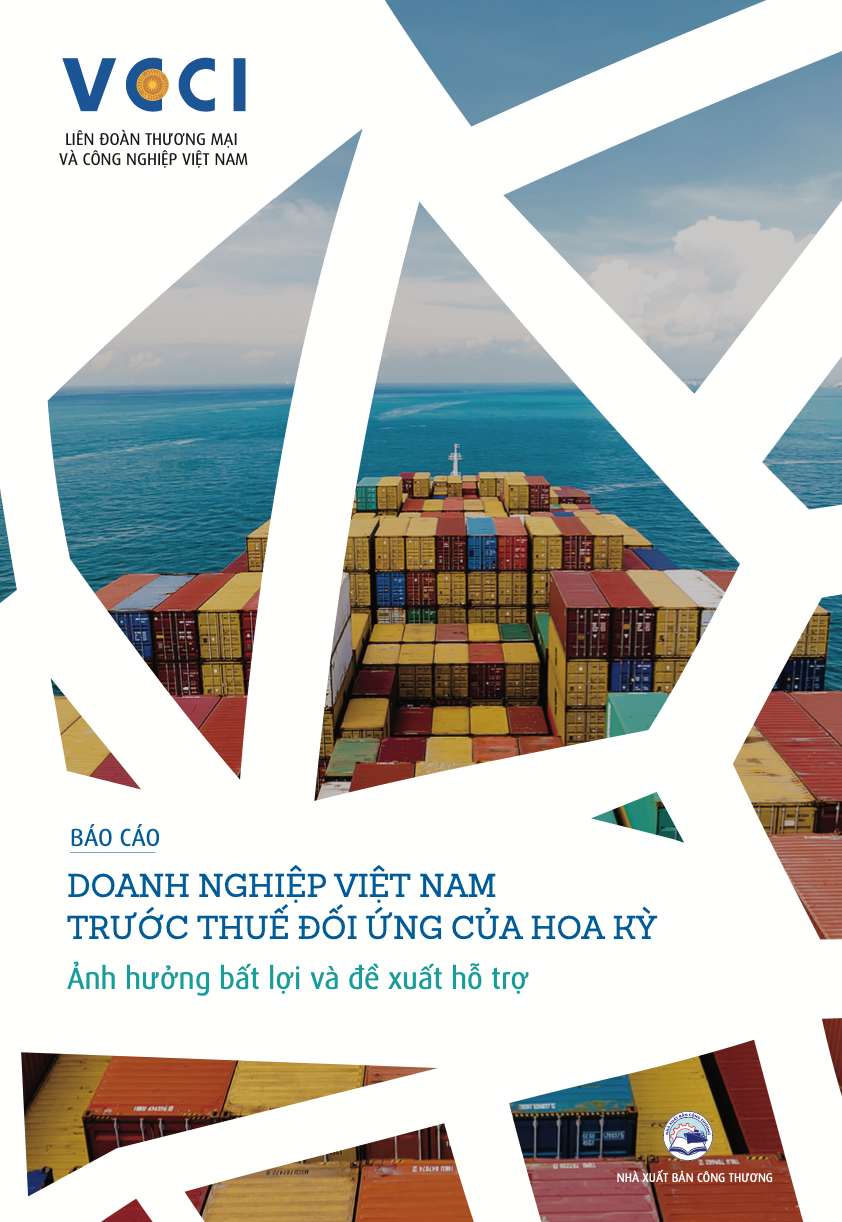
<p>Time: November 2025<br /> By: WTO and International Trade Group, Legal Department – VCCI</p>
