

Unlocking Asean-Turkey investment openings requires joint due diligence, clearer rules and localised strategies
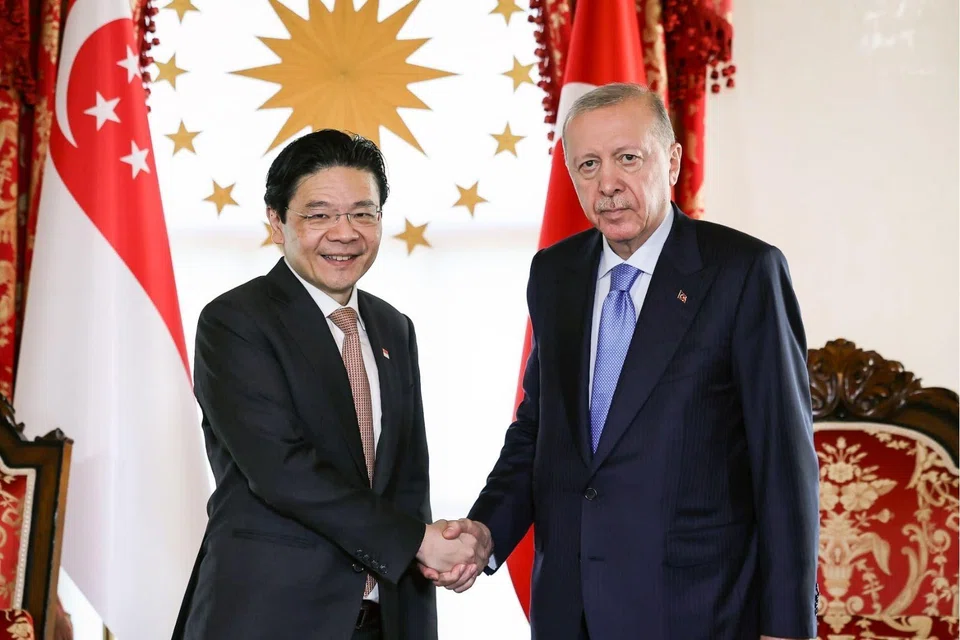
WHEN Asean foreign ministers formally accorded Turkey the status as Dialogue Partner on Jul 21, the decision was welcomed in Ankara as a diplomatic breakthrough.
But attaining Dialogue Partner status changes no tariffs and signs no contracts between Asean and Turkey. Turkey’s commercial and industrial sectors are thus still assessing whether this will translate into concrete opportunities for both parties.
Turkish companies will benefit from local partners, finance and risk management to grow in South-east Asia, while Asean firms need clearer access to Turkey’s industrial clusters, consumer market and the country’s links with Europe, the Middle East and Central Asia.
The forthcoming Plan of Action to implement the partnership should therefore be judged not just by diplomatic developments, but also by whether it lowers the practical cost of entering each other’s markets.
More than a large market
Turkey-Asean trade reached US$16.1 billion in 2025. However, Turkish exports accounted for only US$2.8 billion, and imports from Asean, US$13.3 billion.
Ankara may be tempted to treat that gap as a problem to be corrected mainly through more Turkish exports, but that would miss the more interesting opportunity.
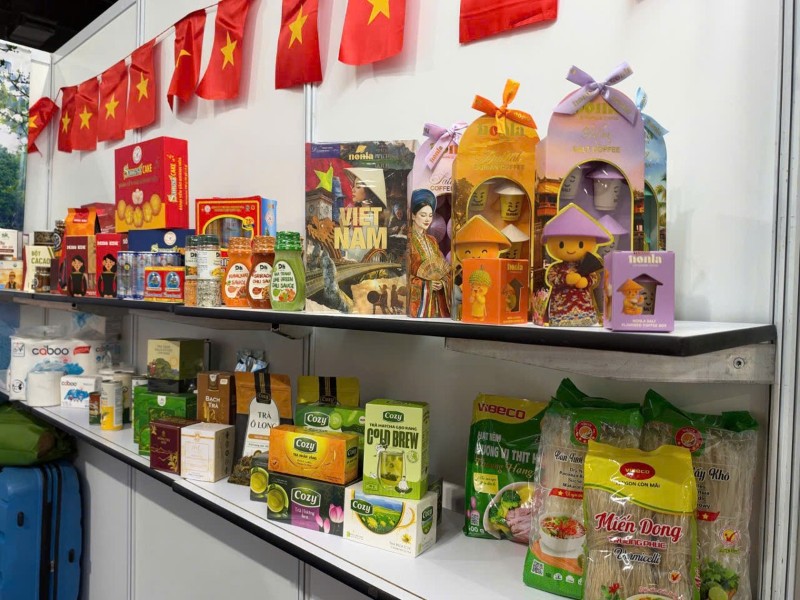
Asean firms already know how to sell to Turkey. Some can now move from distant suppliers to local assemblers, distributors or joint-venture partners, defending market share while creating jobs and export capacity inside the country.
Turkey offers Asean investors more than a large domestic market. Industrial goods produced there can qualify for inclusion in the EU-Turkey Customs Union supply chains, and will be within easier reach of the Balkans, the Middle East and Central Asia.
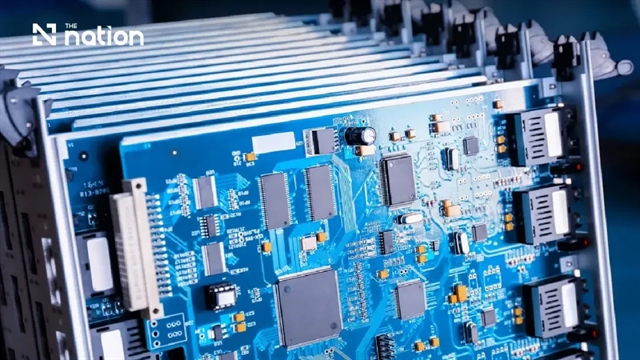
Some sectors will find a more conducive market than others. In 2025, greenfield investments in Turkey were dominated by the automotive manufacturing, electronic components, transportation and warehousing, renewables, and agro-food sectors.
But businesses do not have to jump straight into full-fledged operations in Turkey. The sensible entry model will often be staged: distribution first, then local assembly or production once demand and partners have been established.
For example, instead of opening a costly factory in Turkey to produce final products, Malaysian and Vietnamese electronics companies can start by performing testing services, making special components or even contract manufacturing.
Not a risk-free venture
But there are real risks to this opportunity. Turkey’s customs union is not an automatic passport to the EU. While it covers industrial and processed agricultural products, technical requirements and customs status still matter.
In addition, Turkey’s macroeconomic situation influences any commercial relationship: The annual inflation of consumer prices stood at 31.8 per cent in July, which can complicate the business model of companies looking to enter the Turkish market.
Turkish businesses are also subject to obstacles in South-east Asia. The new partnership between Turkey and Asean does not form a comprehensive free-trade agreement between the two.
Turkey has signed free-trade agreements with Singapore and Malaysia, but businesses from other Asean countries operate under different tariff and regulatory regimes.
Asean is not one market, and a branch office in Singapore is no replacement for a team on the ground in Indonesia, Viet Nam or the Philippines.
The role of Singapore as a regional hub is important for Turkish companies handling multiple currencies and contracts. Yet finance arranged in Singapore does not make selecting a distributor in Surabaya, managing a permit in Manila, or building supplier trust in Ho Chi Minh City any easier.
Early steps in the journey
Hence, the first business deliverable under the new Plan of Action should be a joint market-access service run with the Asean Business Advisory Council and Turkey’s Investment and Finance Office.
For a small number of priority supply chains on both the Turkish and Asean sides, entry maps covering tariffs, standards, incentives, distributor rules, payment risks and suitable industrial locations should be published.
Equally helpful steps are commissioning basic due diligence on potential partners and following up with firms after first meetings.
The most common failure behind an attempt to break into a new international market is not a lack of introductions; it is what happens once the delegation goes home.
Large conglomerates can buy this advice and support the process. Smaller exporters and mid-sized manufacturers often cannot.
Shared due diligence, standard contract guidance and access to treasury or insurance services would reduce the cost of a first move.
Business fundamentals cannot be ignored, either. Participants should be selected because they have customers, a viable product and a willingness to localise – not merely because they joined a business mission.
Success would look like a growing number of Asean companies establishing operations in Turkey, and Turkish firms doing the same in the region in a mutually beneficial relationship – befitting Turkey’s Dialogue Partner status with Asean.
Source: The Business Times
Share:

<p>Time: November 2025<br /> By: WTO and International Trade Group, Legal Department – VCCI</p>
