


Traders and analysts project gold prices could test USD5,000 an ounce by the end of the year, driven by accelerating global de-dollarisation and growing demand from Generation Z investors, while advising market participants to manage risks prudently.
Industry experts at the Thailand Gold Summit outlined a highly bullish outlook for the remainder of 2026, setting out a case for bullion’s ongoing ascent against a backdrop of shifting geopolitical alliances and monetary policies.
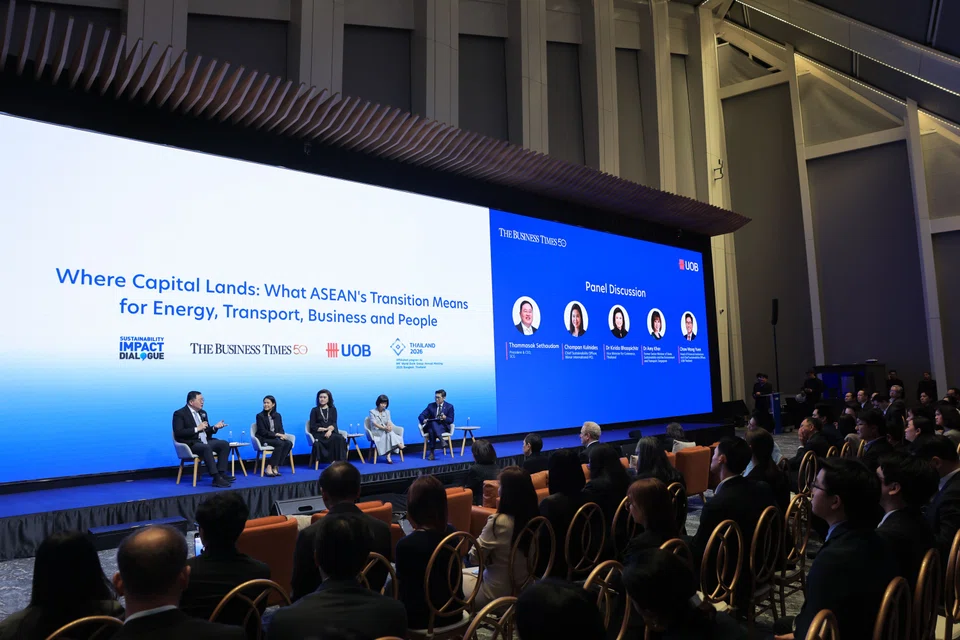
Speaking during the panel session ‘The New Gold Era: The Future of Global Finance’ -which followed an opening keynote address by Deputy Prime Minister and Minister of Commerce Suphajee Suthumpun – the panellists aligned with her earlier observations, highlighting gold’s strategic evolution from a conventional savings asset into a critical instrument of national security amid deepening global market fragmentation.
The panel comprised Jitti Tangsithpakdi, chairman of the Gold Traders Association; Nuttapong Hirunyasiri of MTS Gold; and Tanarat Pasawongse of Hua Seng Heng.
YEAR-END OUTLOOK: TOWARDS THE USD5,000 MILESTONE
The panellists set out specific technical targets for the remainder of the year, underpinned by geopolitical developments and expectations around United States (US) monetary policy.
Nuttapong noted that while some major institutions, including Citigroup, had trimmed their forecasts, others – among them Morgan Stanley and JPMorgan – continued to project a long-term target of USD5,000 to USD6,000 an ounce.
Should global prices reach USD5,000 with the baht holding around 33 to the dollar, he said, domestic gold could trade at THB78,000 to THB80,000. Looking further ahead to 2027, he suggested a global price of USD6,000 could push Thai gold to an unprecedented THB100,000.
Tanarat offered a narrower near-term range, projecting USD4,900 to USD5,000 by year-end, while cautioning that prices could swing between USD4,000 and USD4,200 in the interim. He identified the US midterm elections on November 3 as the key catalyst likely to drive market movement in the final quarter.
A STRUCTURAL SHIFT: DE-DOLLARISATION AND THE MOVE EAST
A central theme of the discussion was the migration of gold demand from West to East, reinforcing Suphajee’s description of Thailand as the “heart of Asia”.
Nuttapong said the era of London-centred gold trading was giving way to Asian demand, with China, India and Thailand now ranking among the world’s leading physical gold traders.
He attributed this in part to a broader trend of de-dollarisation, with central banks – led by China – reducing US Treasury holdings in favour of gold reserves.
THE GENERATION Z SHIFT AND DIGITAL INTEGRATION
The panel also pointed to a marked change in consumer behaviour, particularly among younger investors. Tanarat said 19 per cent of Thai Generation Z consumers now save in gold, with many treating it as a secondary income stream to offset inflation rather than a purely traditional store of value.
This shift has been supported by rapid growth in Thailand’s gold-trading infrastructure, which panellists said now ranks among the most comprehensive in Southeast Asia – spanning fractional purchases from as little as 0.5 grammes to regulated leveraged trading via the Thailand Futures Exchange (TFEX).
RISK MANAGEMENT REMAINS THE WATCHWORD
Despite their bullish price targets, the panellists were consistent in urging caution, echoing warnings Suphajee had issued in her own remarks. Jitti pointed to the extreme volatility already seen this year, with domestic gold hitting a record THB81,950 on January 29 before undergoing a sharp correction.
The panel closed by calling for closer, more coordinated collaboration between the Thai government and the private sector – which Nuttapong described as an “Avenger-style” alliance – arguing that aligning policy with market expertise would help Thailand outpace regional rivals such as Singapore and Hong Kong in establishing itself as a leading global gold-trading hub.
Source: Borneobulletin
Share:



<p>Time: November 2025<br /> By: WTO and International Trade Group, Legal Department – VCCI</p>
