

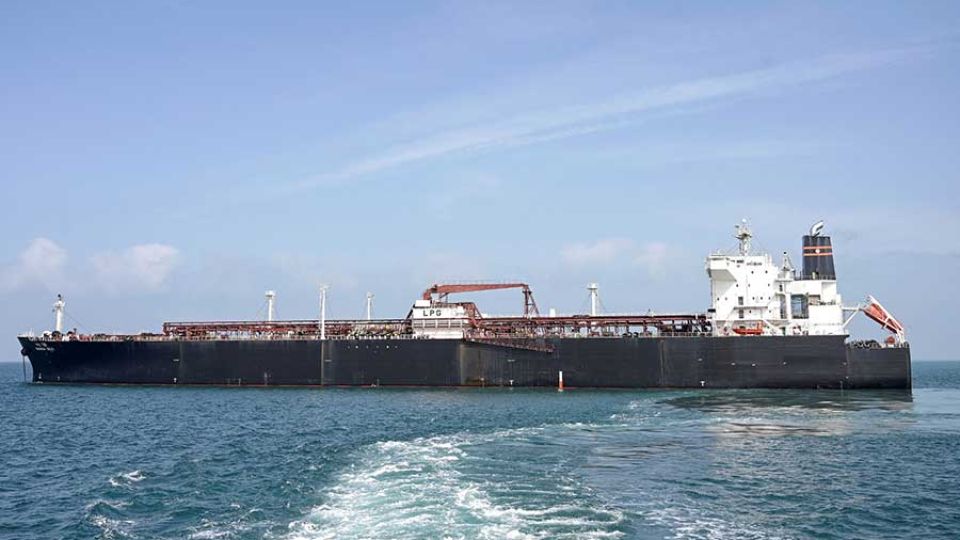
The top diplomats agreed on the importance of maintaining maritime safety and security and upholding freedom of navigation and overflight in straits used for international navigation.
Foreign ministers of the Association of Southeast Asian Nations (Asean) on Monday called for the “safe, unimpeded and continuous” transit of vessels and aircraft in the Strait of Hormuz amid the conflict in the Middle East, and urged full implementation of the two-week ceasefire between Iran and the US.
Following the second special Asean Foreign Ministers’ Meeting on the situation in the Middle East, the top diplomats agreed on the importance of maintaining maritime safety and security and upholding freedom of navigation and overflight in straits used for international navigation.
“In this regard, we call for the restoration of the safe, unimpeded, and continuous transit passage of vessels and aircraft in the Strait of Hormuz in line with the1982 UNCLOS, as well as for all parties to ensure the safety of seafarers and ships in accordance with the International Convention for the Safety of Life at Sea (SOLAS),” the Asean foreign ministers said in a statement.
The top diplomats also stressed that the recently implemented two-week ceasefire between the US and Iran must be fully and effectively implemented.
“We urge all parties involved to maintain conducive conditions for the full and effective implementation of the ceasefire, including by adhering strictly to its terms, exercising utmost restraint, ceasing all hostilities, acting responsibly, avoiding any acts that may aggravate the situation and working collectively towards a comprehensive and enduring resolution in accordance with international law, the UN Charter and relevant UNSC resolutions,” the ministers said.
They also urged the US and Iran to continue negotiations that would eventually lead to a permanent end to the conflict, bringing lasting peace and stability to the region.
They stressed the importance of maintaining regional peace and upholding international law, as well as promoting earnest dialogue and diplomacy as the primary means of addressing conflicts and tensions, including the need for a complete and immediate cessation of hostilities across all fronts in the Middle East.
The foreign ministers also reaffirmed that all states must resolve disputes peacefully, respect the sovereignty and territorial integrity of all nations, protect civilians and civilian infrastructure during armed conflict, and ensure the safety of UN peacekeepers and humanitarian personnel, in line with international law, the UN Charter, and relevant Security Council resolutions.
The military conflict in the Middle East escalated in late February after the US and Israel attacked Iran following years of confrontation over Tehran’s nuclear program and regional influence.
The conflict has resulted in global repercussions, particularly the steep increase in oil prices in several countries, including the Philippines.
Source: Asianews
Share:

<p>Time: November 2025<br /> By: WTO and International Trade Group, Legal Department – VCCI</p>
