

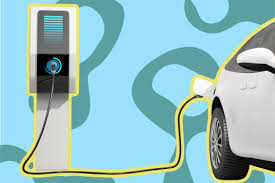
Indonesia’s electric vehicle (EV) ecosystem continues to expand, not only by following the global shift toward cleaner transportation, but also by emerging as a key contributor to national economic growth, a senior government official says.
Deputy for Trade and Digital Economy Coordination at the Coordinating Ministry for the Economy, Ali Murtopo, said the automotive sector plays a significant role in Indonesia’s economy, contributing 1.28 percent to gross domestic product (GDP) in the third quarter of 2025.
Speaking at the EVolution Indonesia Forum in South Jakarta on February 3, 2026, Ali said domestic sales of electric cars surpassed 100,000 units in 2025, accounting for around 12.9 percent of the total national car market.
He added that the total population of electric vehicles in Indonesia has now climbed to more than 330,000 units, a figure he said demonstrates that the country’s EV ecosystem is increasingly well prepared.
“The growth shows that our ecosystem is already in place and functioning,” Ali said, as quoted by Finance.Detik.com, on Tuesday, February 3, 2026.
According to him, the expansion of domestic EV market is not only increasing the number of vehicles on the road, but also boosting foreign investment interest. This spans the entire value chain, from upstream mineral mining and smelter development to downstream battery manufacturing and vehicle assembly.
“From the investment side, we can already see major players here as part of our ecosystem,” he said, pointing to companies such as VinFast, Chery, BYD, and other global brands that have entered or are preparing to enter the Indonesian market.
Ali noted that investments related to the EV sector currently account for about 15.5 percent of total incoming investment, with realization levels reaching nearly 90 percent. He said this progress reflects strong government support through both fiscal and non-fiscal incentives.
“Automotive, especially EVs, has received serious attention from the state, and the results are visible in the level of investment and realization,” he said.
Looking ahead, Ali said the development of integrated EV production facilities from upstream to downstream could help Indonesia achieve its long-term ambition of producing a national car. President Prabowo Subianto has set a target for this to materialize between 2027 and 2028.
“With the presence of a complete EV ecosystem, Indonesia has a real opportunity to stand on its own feet again in the automotive industry,” Ali said, expressing optimism that the national car vision could be realized within the president’s timeline.
Source: Indonesia Business Post
Share:

<p>Time: November 2025<br /> By: WTO and International Trade Group, Legal Department – VCCI</p>
