

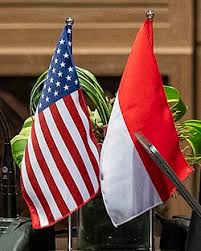
Farm Progress America: Mike Pearson tells listeners how the U.S.-Indonesia trade deal is opening doors for American agriculture.
The Trump administration signed a landmark bilateral trade agreement with Indonesia last Thursday, marking a significant victory for American farmers and ranchers. The deal removes tariffs on 99% of U.S. products and commits Indonesia to purchasing more than $4.5 billion worth of American agricultural products.
This agreement formally implements the framework announced last July and addresses long-standing barriers that have limited U.S. agricultural exports to Indonesia. The deal specifically exempts food and agricultural products from Indonesia's restrictive import licensing regimes and commodity balance policy, which have historically created obstacles for American exporters.
Major Benefits for U.S. Agriculture
Beef Industry Breakthrough: Indonesia has agreed to import at least 50,000 metric tons of US beef and beef products annually. Dan Halstrom, Chief Executive Officer of the U.S. Meat Export Federation, called this "a tremendous market access gain for U.S. red meat," noting that Indonesia has been essentially closed to US beef due to trade-limiting import licenses and effective caps on imports.
Key Agricultural Products Covered:
The pork industry will also benefit significantly, as the restrictive import licensing regime that has limited U.S. pork exports will be eliminated under the new agreement.
Ethanol producers are particularly enthusiastic about the opportunities. Renewable Fuels Administration President and Chief Executive Officer Geoff Cooper emphasized that at a time of record U.S. ethanol exports, this agreement "will help open the door to a market where low-cost, low carbon ethanol is both wanted and needed."
The deal represents a crucial market diversification strategy for U.S. agriculture, providing consistent access to Indonesian importers and consumers for the first time.
Source: Farm Progress
Share:


<p>Time: November 2025<br /> By: WTO and International Trade Group, Legal Department – VCCI</p>
