

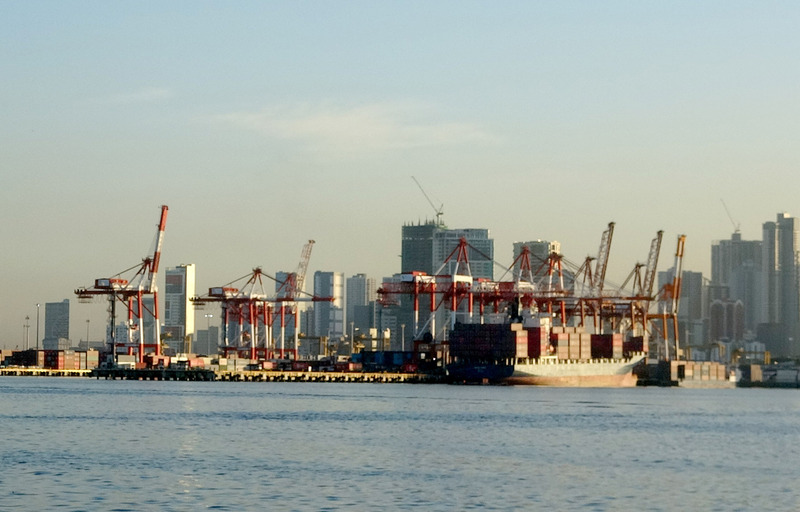
Bilateral trade between Taiwan and the Philippines returned to growth last year after two straight years of decline, supported by demand for semiconductors and artificial intelligence applications.
Data from the Philippine Statistics Authority showed that Philippine imports from Taiwan totaled NT$147.8 billion (US$4.72 billion) in 2025, accounting for 3.5% of the country’s total imports. The figure represented an 18.6% increase from the previous year, ranking Taiwan 10th among the Philippines’ sources of imports, according to CNA.
Philippine shipments to Taiwan reached NT$102.8 billion, accounting for 3.9% of the country’s total exports. This marked a 22.1% increase from a year earlier, placing Taiwan ninth among the Philippines’ export markets.
Major import items included semiconductors and other electronic products, refined petroleum products, and copper. Key exports included precision instrument components, computer storage devices, and other electronic products.
Although Manila has not released official full-year bilateral trade data for 2025, combined import and export figures suggest Taiwan was the Philippines’ eighth-largest trading partner. The Taipei Economic and Cultural Office in the Philippines said the growth momentum is expected to continue this year, supported by semiconductor and AI-related industries.
Hsun Yu-jung (荀玉蓉), head of the economic division at the Taipei office, said the rebound was primarily driven by the semiconductor supply chain. The Philippines plays a downstream role in global production, focusing on packaging and testing, complementing Taiwan’s strengths in chip design and manufacturing.
She said Philippine electronics firms increased purchases from Taiwan after the outbreak of COVID-19 due to concerns over supply chain disruptions. Subsequent inventory adjustments in 2023 and 2024 contributed to declines in bilateral trade during those years, meaning that growth last year was partly built on a lower comparison base.
Looking ahead, Hsun said the economic division will continue promoting cooperation in the semiconductor supply chain. It will also assist Taiwanese companies in evaluating the Philippines as a potential overseas production base and provide support services to firms already operating there.
She cited the Philippines’ geographic proximity to Taiwan, young population, and domestic market potential as key advantages. However, Taiwanese business representatives said trade prospects will depend on the broader investment environment, particularly political stability and anti-corruption efforts.
Limited investor confidence could lead companies to favor short-term operations, constraining deeper industrial development and sustained trade growth. Hsun said sustained semiconductor and AI demand, together with a stronger investment environment in the Philippines, would further support growth in bilateral trade.
Source: Taiwan News
Share:


<p>Time: November 2025<br /> By: WTO and International Trade Group, Legal Department – VCCI</p>
