

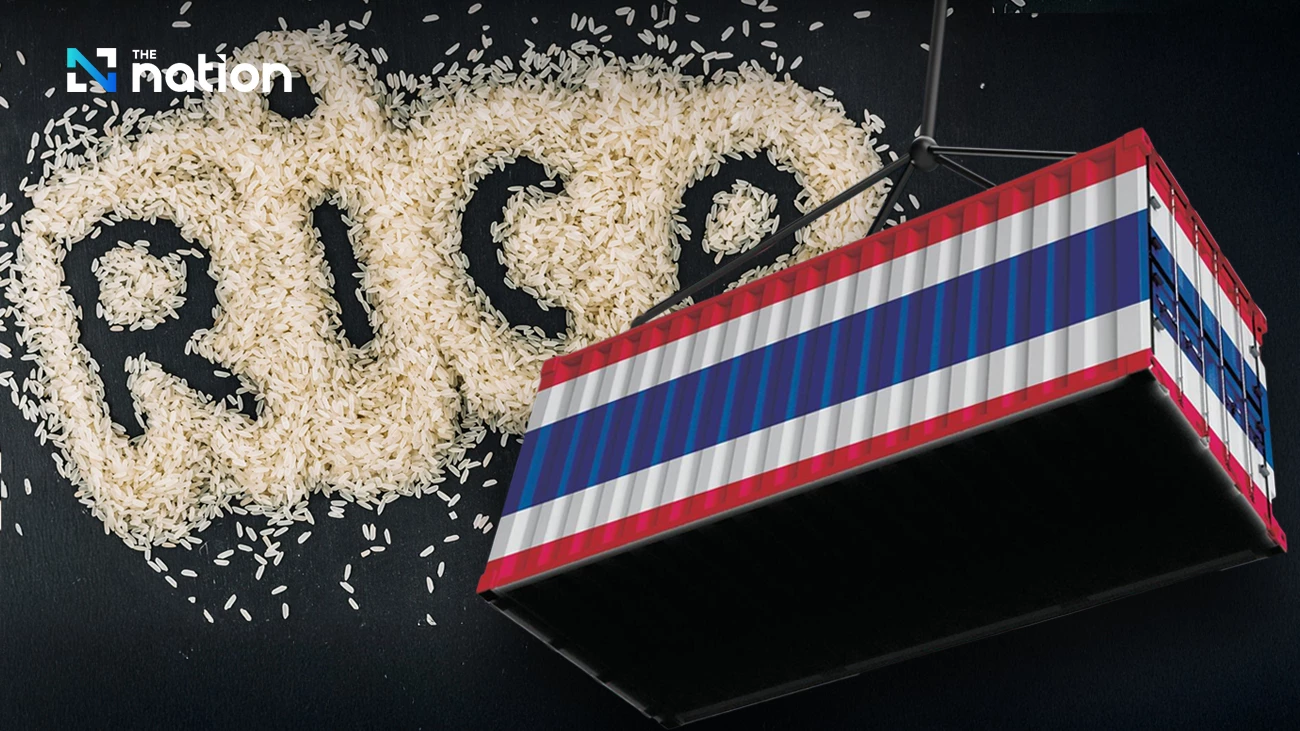
Thailand’s agriculture and food sector is entering a major turning point: price is no longer the deciding factor for buyers.
Instead, carbon footprint is fast becoming the new benchmark.
Vietnam is already moving aggressively, marketing “green” products and leapfrogging competitors, while Thailand remains stuck in an old structural trap, short on funding, short on coordination, and lacking an integrated national push.
Industry voices are urging the next government to elevate this as a national agenda before Thai exports face long-term trade barriers.
A new paradigm where profit is no longer measured by “price”
Pornsil Patcharintanakul, president of the Thai Feed Mill Association, said at the 2025 annual meeting of Thailand’s Network for Sustainable Production and Consumption that Thai agricultural success used to be judged by volume and price; whoever sold cheaper and delivered more “won”.
But today the global trade landscape has fundamentally changed.
Environmental factors, especially greenhouse-gas emissions, have become a key condition shaping purchase decisions by major global buyers.
A stark “wake-up call” came from Thailand’s rice deal with Singapore. Thailand successfully signed a five-year contract to supply 100,000 tonnes of rice.
Yet just three days later, Vietnam shook the market by offering rice bundled with carbon credits, shifting the focus away from tonnes and unit prices.
The message was clear: Thailand’s competitors have already crossed from traditional trade into a low-carbon economy model.
In the near future, global buyers will not ask, “How much does Thai rice cost?” They will ask, “How much carbon is in this bag of rice?” If Thailand cannot answer, premium markets could shut their doors immediately.
Source: Nation Thailand
Share:


<p>Time: November 2025<br /> By: WTO and International Trade Group, Legal Department – VCCI</p>
