

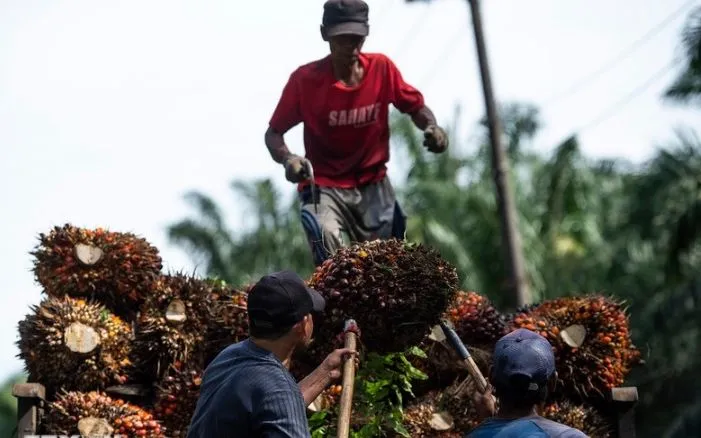
Indonesian President Prabowo Subianto and US President Donald Trump are expected to sign a landmark bilateral trade agreement in January 2026.
This agreement was welcomed by Indonesian businesses but was considered insufficient to provide a more comprehensive overview of the tariff issue.
In the latest round of negotiations, the US agreed to allow Indonesian palm oil to be imported into its market without tariffs. Previously, the Trump administration had lifted tariffs on cocoa and coffee through an executive order issued in November.
The Indonesian Employers' Association (Apindo) said that the tax exemption on palm oil shows Indonesia is on the right track by prioritizing sectors with strong competitive advantages and high employment impact. However, the association said the private sector hopes the government will pressure the US to reduce tariffs on manufactured goods.
Shinta Kamdani, Chairwoman of Apindo, stated: “The tariff exemptions should be gradually expanded to other products, especially high-value manufactured goods, so that the agreement not only promotes exports but also supports industrial upgrading and export diversification.”
Coordinating Minister for Economic Affairs Airlangga Hartarto, who heads Indonesia's negotiating team, revealed that there have been no major changes to the terms that both governments agreed upon in July 2025.
This agreement is seen as a major victory for the palm oil industry. Indonesia controls approximately 89% of the US palm oil market, with Malaysia being its main competitor. Malaysian palm oil has been imported into the US market duty-free since October, while the 19% tariff on Indonesian palm oil officially took effect on August 7th.
The Indonesian Palm Oil Association (Gapki) said the higher tariffs have not significantly affected exports to the US, as recent shipments may be based on contracts signed before the tariff increase.
“If the U.S. actually lowers palm oil tariffs to zero, that would clearly boost our exports, which have already increased over the past five years despite a slight dip in 2024,” said Gapki President Eddy Martono, noting that palm oil prices outperformed other vegetable oils last year.
According to Tauhid Ahmad, senior economist at INDEF, tax exemptions on key agricultural products would help Indonesia compete on a more level playing field, while rival exporters already enjoy zero tariffs.
"Ensuring similar treatment for domestically produced goods will be much more difficult, but it's something Jakarta should pursue step by step," he said.
Under the agreement, the Trump administration reduced the proposed tariffs on Indonesian goods from the initial 32% to 19%, in exchange for Jakarta removing 99% of tariff barriers on US agricultural and industrial products and committing to purchase US energy products.
Source: VTV
Share:

<p>Time: November 2025<br /> By: WTO and International Trade Group, Legal Department – VCCI</p>
