

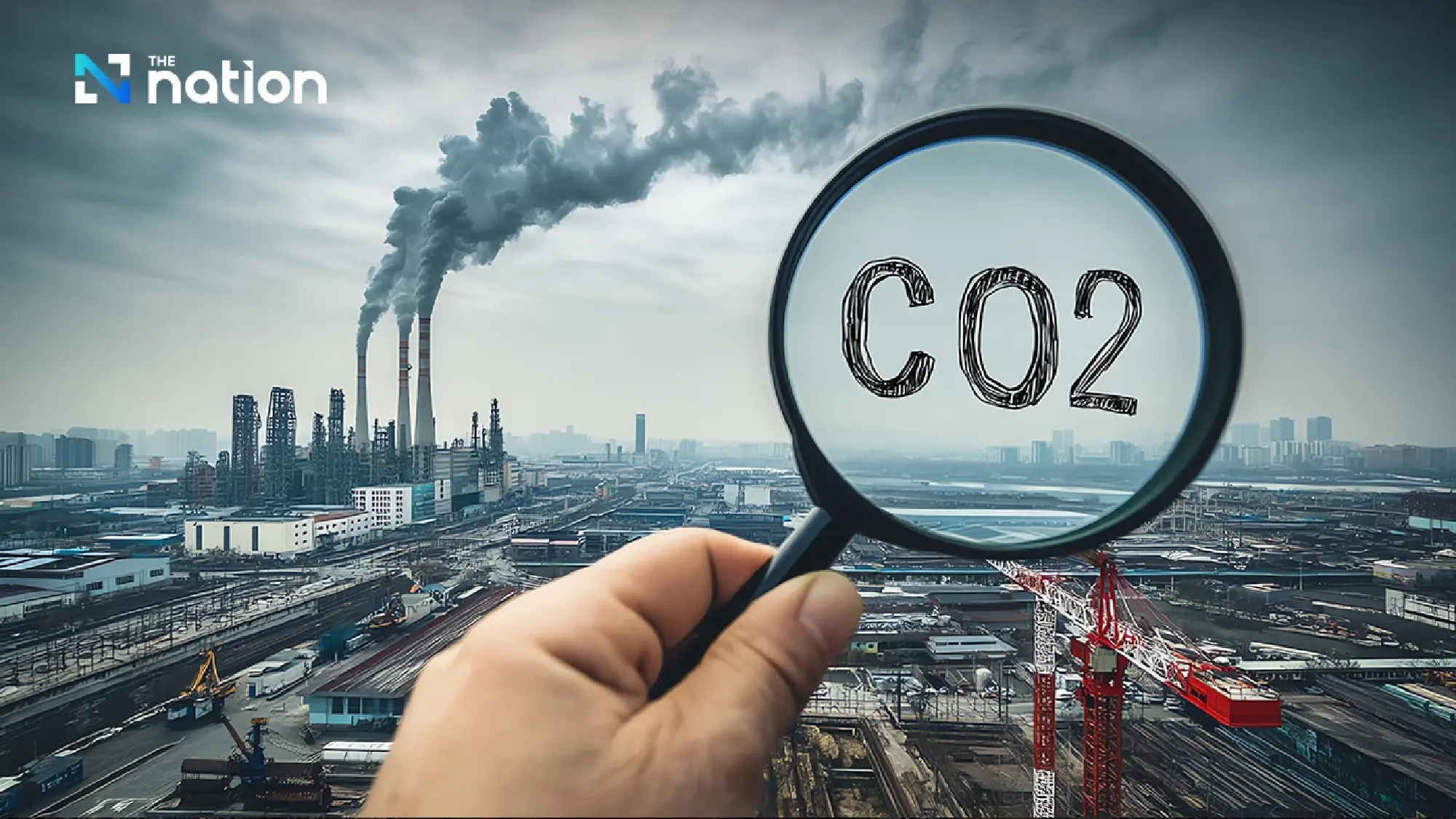
EU CBAM enters its definitive phase on January 1, 2026. KResearch warns of a 28bn-baht export hit, with steel most exposed and SMEs lagging on carbon data
Thailand’s exports to Europe face fresh pressure from the European Union’s Carbon Border Adjustment Mechanism (CBAM), which enters its definitive phase on January 1, 2026.
The EU has also rolled out Regulation (EU) 2025/2083, described as a CBAM “simplification” package, aimed at reducing complexity and easing the burden on small importers ahead of full implementation.
What CBAM will require
Under CBAM, importers in the EU will have to account for the embedded greenhouse gas emissions of goods imported in six main categories: iron and steel, aluminium, cement, fertilisers, electricity and hydrogen. Importers will be required to cover those emissions through CBAM certificates, aligning the cost of imported carbon-intensive goods with the EU’s climate policies.
The EU is also expected to widen the scope over time to additional product groups such as plastics and polymers, glass, ceramics, paper and basic chemicals.
Key simplifications in the new EU rules
A central change is an exemption designed for small import volumes. The EU has introduced a 50-tonne-per-year mass threshold for certain CBAM goods (including iron and steel, aluminium, fertilisers and cement). Importers below that threshold are exempt, but electricity and hydrogen are not covered by the exemption.
Other changes tighten and clarify compliance, including:
KResearch: 28 billion baht at risk; steel most exposed
Kasikorn Research Center estimates CBAM could affect 3.8% of Thailand’s exports to the EU in 2026, worth about 28 billion baht, as the policy moves beyond the transition period and begins aligning with the EU Emissions Trading System (EU ETS).
The research house said iron and steel and aluminium are expected to be the first sectors to feel the impact, because EU importers will factor CBAM costs into purchasing decisions.
It cited 2024 export values to the EU of:
Research noted that CBAM certificate costs are linked to embedded emissions, with an indicative carbon price range cited in the report of 60–90 euros per tonne.
EU CBAM to shake Thai exports as definitive phase starts on Jan 1
Why Thai steel is seen as the most vulnerable
KResearch said Thailand’s production emissions per tonne can be far higher than Europe’s—at times up to 17 times higher—particularly where producers rely on coal-based processes.
For steel and steel products, it estimated CBAM compliance could raise costs by 1,300–1,500 baht per tonne (around 1.5–1.7% of product value), putting annual CBAM-related costs at roughly 167–193 million baht for Thai steel exporters to the EU.
Source: Nation Thailand
Share:


<p>Time: November 2025<br /> By: WTO and International Trade Group, Legal Department – VCCI</p>
