

Negotiator says more details to be worked out but country got ‘a really good deal’.
Thailand’s pledge of near-total market access for US goods includes key limits to protect some domestic industries, according to a government official, laying out the terms the country sought for its tariff deal with Washington.
The restrictions — specifically on pork and corn — will be hammered out in final negotiations with the US, said Pongsarun Assawachaisophon, who was involved in the talks and serves as deputy secretary-general to the prime minister.
The US tariffs are expected to shave off as much as 1.5 percentage points off Thailand’s economic growth next year. The deal is designed to fulfill President Donald Trump’s demand to erase Thailand’s $45-billion trade surplus while still keeping trade open to the country’s biggest export market.
The US president announced a 19% tariff on Thailand last week, down from an 36% threatened earlier, following several rounds of negotiations and offers from Thailand, including eliminating import levies on more than 90% of US goods.
“Among more than 10,000 US items that will get a zero tariff, some will be subject to tariff staging, import quotas or other conditions,” Mr Pongsarun said in an interview with Bloomberg News on Monday.
“Thailand got a really good deal because we didn’t act carelessly. We explained our reasons and didn’t just stubbornly keep everything shut.”
Trump has touted his tariff threats for pushing countries to buy more US goods and claimed, as in the case of Indonesia, that markets are “completely open” to American goods.
But many countries in Southeast Asia have sought carve-outs or protections for agricultural sectors, with farmers forming a key political constituency. Jakarta, for instance, wants to buffer its poultry and corn industries while Vietnam’s seafood sector is seeking support.
For US pork, Bangkok will gradually reduce tariffs and limit American imports to less than 1% of domestic consumption. It must also be free of the additive ractopamine, which is used to promote the development of lean muscle mass and banned in Thailand.
The initial limitations are to allow the US to “test the market” while giving Thai pork producers — notably Charoen Pokphand Foods (CPF) and Betagro Pcl — and smaller pig farmers time to adjust, Mr Pongsarun said. Pork market access has long been a contentious issue for the US, and the reason why Washington revoked some trade preferences for Bangkok in 2020.
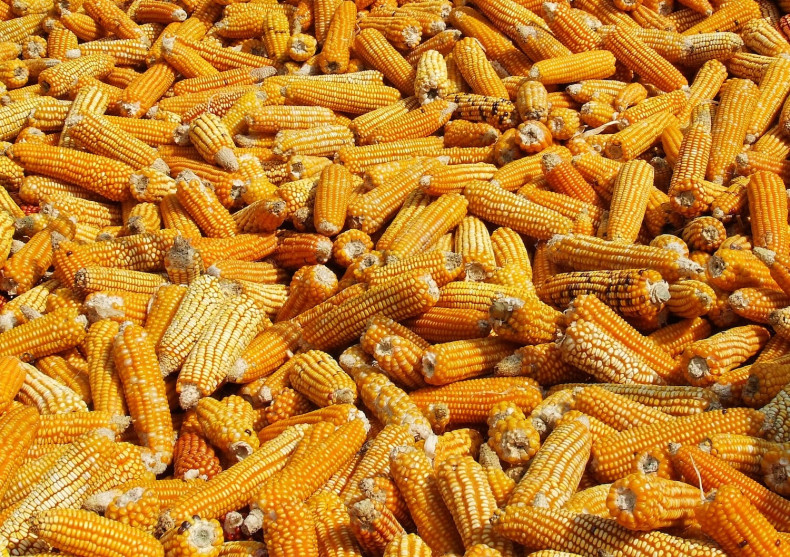
As for corn, Thailand will require local feed mills to absorb all home grown corn first, at set prices, before being granted quotas to import US supplies, said Pongsarun. The Thai Feed Mill Association, which has been consulted on the matter, has said the country is able to buy as much $2.8 billion worth of US corn annually, as well as soybean meal and dried distillers’ grains.
‘Made in Thailand’
A separate concern for Thailand is Trump’s 40% additional tariff on so-called transshipped goods, a way for Washington to block Chinese manufacturers from evading higher US tariffs.
About one-third of Thailand’s current exports to the US would fall under this category, Mr Pongsarun said, ranging from car tyres to electrical appliances and toys that were made by Chinese factories in Thailand.
Government regulations deem goods with at least 40% of local content to be “Made in Thailand”, but Mr Pongsarun said officials expect the US might require a much higher threshold, possibly up to 80%. Those details have yet to be announced by Washington.
Since April, Thailand has been rewriting rules covering the issuance of certificates of origin, with the help of the US Customs and Border Protection, and has ramped up inspection and factory visits for 65 types of goods, worth about copy5 billion, that Washington had flagged as being potentially mislabelled as Thai-made.
Going forward, product certification will also only be granted by the Department of Foreign Trade, instead of the Federation of Thai Industries or the Thai Chamber of Commerce, a move that allows the government greater oversight.
“It’s what we need to do anyway,” Mr Pongsarun said. “The US deal is a wake-up call that nudges us to expedite the process to reform this system.”
Source: Bangkok Post
Share:

<p>Time: November 2025<br /> By: WTO and International Trade Group, Legal Department – VCCI</p>
