

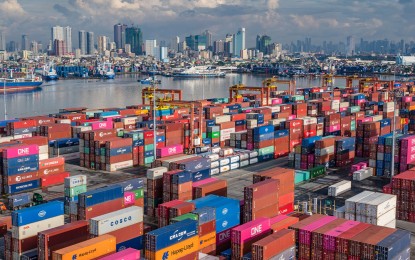
A retail industry executive used a smartphone app to display on a map the berthing status of a number of ships waiting around Manila Bay recently.
"These ships are all stuck waiting for customs clearance," the executive said.
Importing goods into the Philippines has long been a hassle. Goods often are stuck waiting for customs clearance during periods of high consumer spending like Christmas, and it's common to be unable to receive merchandise even though it has arrived at port.
One company said recently its best-selling skin care products had arrived at port in February 2023, but it was still unable to receive them a year later. Companies are charged warehouse storage fees during this period, resulting in lost sales opportunities and increased costs.
It is unclear whether the backups are caused by an understaffed customs bureau or lack of standardization in customs clearance operations.
The impact on supermarkets is even more severe. The longer it takes for products with expiration dates to clear customs, the shorter their sales period. Some products already are expired when received.
To make up for that lost opportunity, "we have no choice but to add it to the price of the product," a supermarket manager said, which boosts the prices of imported goods.
In a 2016 survey by local research firm Social Weather Stations about the sincerity of government agencies in efforts to weed out corruption, the Bureau of Customs was the only one rated "very bad." In 2021, there were more than 1,100 information disclosure requests that stemmed from complaints about staff.
The customs bureau said it is strengthening measures to eradicate corruption.
The Philippines has long been considered difficult for foreign companies to enter. A 2020 Organisation for Economic Co-operation and Development list of countries and regions based on restrictiveness of foreign direct investment ranked the Philippines third after Libya, and the Palestinian Authority or West Bank and Gaza Strip.
The Philippines would be an attractive market without the barriers. Per-capita gross domestic product in 2022 was $3,498, the World Bank reports, more than tripling over two decades. Consumer spending accounts for nearly 80% of GDP.
The government in 2022 revised three laws that had installed safeguards around industries. Heavyweights such as SM Investments and Robinsons enjoy an overwhelming presence in the retail sector.
But the gates are opening gradually. Sweden's Ikea entered the Philippines in 2021, and Japan's Isetan Mitsukoshi Holdings and its partners fully opened the Mitsukoshi BGC shopping mall in July. Philippine President Ferdinand Marcos Jr. is considering constitutional changes that would attract more foreign investments.
Source:asia.nikkei.com
Share:


<p>Time: November 2025<br /> By: WTO and International Trade Group, Legal Department – VCCI</p>
